

Class 10 results come out and suddenly one question takes over everything. What stream should I pick? Science? Commerce? Arts? Everyone around you seems to have a strong opinion and somehow none of those opinions actually match each other.
Here is what makes stream selection after 10th so stressful. It feels permanent. It feels like one wrong move and your entire future collapses. That fear is understandable but it is also slightly overblown. Yes, the stream you pick after 10th matters. It shapes the next two years and points you toward certain career paths. But students switch directions all the time and still build great careers.
What actually causes problems is picking a stream for the wrong reasons. Picking it because your best friend picked it. Picking it because your parents always wanted a doctor in the family. Picking it without knowing what subjects are actually inside that stream or what doors it opens and closes.
This blog covers nine things every student should know before making this call. Read it before you decide. Share it with someone who is going through the same confusion right now.
Most students know the names. Science, Commerce, Arts or Humanities. But many do not know what is actually inside each one until they are already sitting in class.
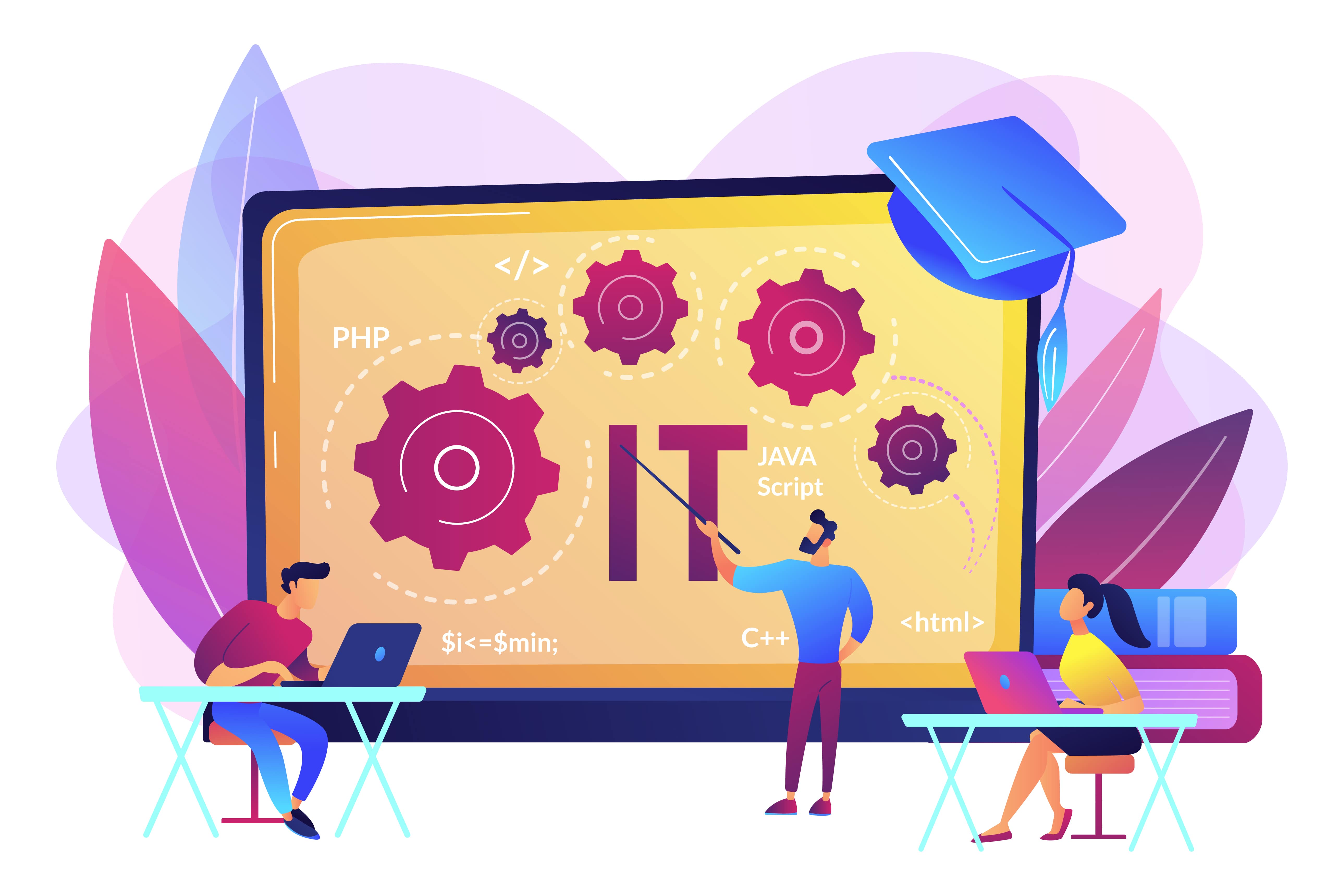
Science stream has Physics, Chemistry, Maths or Biology depending on whether you go PCM or PCB. It is heavy on theory and problem-solving. Commerce has Accountancy, Business Studies, Economics, and sometimes Maths. It deals with money, markets, and how businesses run. Arts or Humanities covers subjects like History, Geography, Political Science, Psychology, Sociology, and languages.
When you are figuring out how to choose a stream after 10th, start here. Not with careers. Not with salary. With subjects. Because you will be studying these subjects every single day for two years. If you genuinely cannot stand sitting with a Chemistry book, Science stream will feel like punishment regardless of where it leads.
Teachers and parents often use Class 10 marks to decide the stream. High marks in Maths and Science means the Science stream. Average marks mean Commerce. Low marks mean Arts. This thinking is outdated and honestly, a bit unfair.
Marks show how well you performed in a particular exam at a particular time. They do not show your actual interests, your thinking style, or what kind of work you will enjoy for the next forty years.
That said, marks do matter practically. Some schools have cut-offs for the Science stream. If your Maths and Science scores are genuinely low, forcing yourself into PCM and then struggling through two brutal years is not a great plan either.
Use marks as one input. Not the only input.
The real question is not which stream is best. The real question is what kind of life do you want to build?
If you are drawn toward engineering, architecture, medicine, research, or technology, the Science stream makes sense. If business, finance, accounting, law, or entrepreneurship interests you, Commerce is a natural fit. If you are thinking about civil services, journalism, design, social work, teaching, law, or the creative fields, Arts or Humanities opens those doors well.
When students ask what should I choose after 10th, the answer almost always comes down to this: What are you actually curious about? Not what sounds impressive. Not what pays the most on paper. What genuinely holds your attention.
This is something that needs to be said clearly because a lot of families still believe the Science stream is superior and everything else is a fallback.
All streams after 10th have solid career paths attached to them. Commerce students become chartered accountants, investment bankers, business analysts, and entrepreneurs. Arts students become IAS officers, lawyers, journalists, psychologists, writers, designers, and diplomats. Science students go into medicine, engineering, research, and technology.
The stream is a starting point. What you do with it determines everything else. A motivated Arts student will go further than a disengaged Science student every single time.
Career fairs are great. Brochures are okay. But the best research you can do is find someone who is actually working in a field you are curious about and ask them what their day looks like.
Ask a CA what the first five years of that career actually felt like. Ask a software engineer what they spend most of their time doing. Ask a journalist what the job involves beyond what you see on screen. Real conversations cut through the glamour and give you honest information.
This kind of research takes effort but it saves you from spending two years in a stream heading toward a career you would have disliked anyway.
This one is hard because at fifteen or sixteen years old, what your friends think matters enormously. If all your close friends are taking Science, going a different direction feels isolating.
But here is the thing. Your friends will move on. Everyone gets busy with their own college and career. The stream you picked to stay with your friend group will still be your responsibility to study and live with for years after those friendships naturally drift.
Stream selection is one of those decisions that genuinely has to be made for yourself. The students who picked a stream that genuinely fit them, even if it was different from their friends, almost always look back and feel good about it.
A surprisingly useful question to ask yourself: what do you actually do when nobody is telling you what to do?
Do you pull out notebooks and solve puzzles? Do you read about how economies work? Do you get lost in history documentaries or political news? Do you spend hours writing, drawing, or making things?
Your natural habits when there is no pressure or deadline tell you a lot about where your genuine interests sit. Stream selection after 10th does not have to be a stressful guess if you pay attention to what you already gravitate toward naturally.
Students do switch streams. Some move from Science to Commerce after Class 11. Some move into entirely different fields after graduation. It happens more than people admit and it is not the end of the world.
But switching has a cost. Time, money, and sometimes confidence. If you spend two years in a stream that genuinely does not suit you and then switch, you have lost that time. You also enter the new path slightly behind peers who were always there.
This is not meant to frighten you. It is just a practical reason to take the initial decision seriously rather than picking randomly and assuming you will sort it out later.
Most students make this decision by talking to parents, friends, and maybe one school teacher who is stretched across fifty students and cannot give personalised attention. That is not enough for a decision this important.
A career counsellor looks at your interests, your academic profile, your personality, and your goals and helps you figure out what genuinely fits. Not what sounds good. Not what the family wants. What actually makes sense for you specifically.
This kind of personalised guidance is exactly what Mentrovert was built to provide. Mentrovert is India's first platform focused entirely on student career and mental health support. One-on-one sessions with experienced counsellors who understand the Indian education system, the streams, the entrance exams, the colleges, and the careers connected to all of it. Sessions happen online, so it does not matter where in India you are sitting right now.
If you are in Class 9 or Class 10 and stream selection feels overwhelming, book a session on Mentrovert before you decide. Come with your confusion. Leave with actual clarity.
Parents can also use Mentrovert to understand what their child is going through and how to support them through this decision without adding pressure.
Do not pick your stream in a panic. Pick it with proper support behind you. Visit Mentrovert today.
There is no single best stream. It depends on your interests, strengths, and career goals. Science, Commerce, and Arts all lead to strong career paths when chosen for the right reasons.
Yes, switching is possible but involves time and effort. Some boards allow changes early in Class 11. It is better to choose carefully from the start than rely on switching later.
Absolutely yes. Arts open paths to civil services, law, journalism, psychology, design, and more. The idea that Arts is a weak stream is outdated and simply not true.
Have an honest conversation backed by research. Show them the career options in Commerce and what genuinely interests you. A career counsellor can also help mediate this kind of family discussion.
A counsellor looks at your interests, marks, personality, and goals together and gives guidance built around your specific situation rather than general advice that applies to everyone.








.jpg)


























































.jpg)


.jpg)


-min.jpg)