

Teaching isn’t just a job. It is one way of moulding young minds, creating a brighter future and creating a legacy that will last well beyond the four classroom walls.
Did you ever have a dream to become a teacher, to make students know what they can achieve, to bring the lessons to life? This is the very first thing you need to pass through: the Central Teacher Eligibility Test (CTET) in order to enter that world.
However, this is the reality: CTET is not some exam which you can learn in a week or so. It is made to discover the teachers who not only are familiar with their subjects but also have a clue about the way children learn. It is a patience, perspective, and preparation test – all great teachers require it.
We are going to take you through all you need to know about CTET 2025 – how to be eligible, the syllabus, clever study techniques and what life will be like after you pass it.
CTET is biannual and is administered by the Central Board of Secondary Education (CBSE), mostly in July and December. And consider it a licence for a professional, which is to indicate: 'Yes, this individual is able to teach with comprehension, compassion and competence.'
The exam only allows qualified and well-trained teachers into the Indian classrooms, particularly those found in schools such as Kendriya Vidyalayas, Navodaya Vidyalayas, and other schools managed by the central government.
CTET is not all about book knowledge as opposed to the ordinary competitive tests. It is an exam that evaluates your knowledge in child development, teaching psychology, and inclusive education.
One thing is to learn something or another, and another to be able to make it comprehensible to a 7-year-old child who is finding it hard to understand. That’s the art CTET looks for.
There are two levels to the exam:
You are allowed to appear in either one or both, depending on the grades you wish to teach. After clearing CTET, you can apply to teaching posts in central and CBSE-affiliated schools around India.
Half the battle is won by remaining organised. CTET is an annual programme with a predictable timeline, and here is what you can expect of 2025:
Overall, it takes approximately four months, including notification and result. It is to say that when you begin with the preparation early in a year, you would have ample time to study, revise and look forward to your examination in August with confidence.
CTET eligibility may appear heavy with clauses and small print, but it is actually quite a simple task when you simply know where you want to go and what you need to do to get there.
You qualify if you have:
You qualify if you have:
There are relaxations in marks for SC/ST/OBC and differently-abled candidates as per government rules. The idea is simple — CTET welcomes diverse teaching backgrounds, as long as you’ve got the right mix of knowledge and pedagogy.
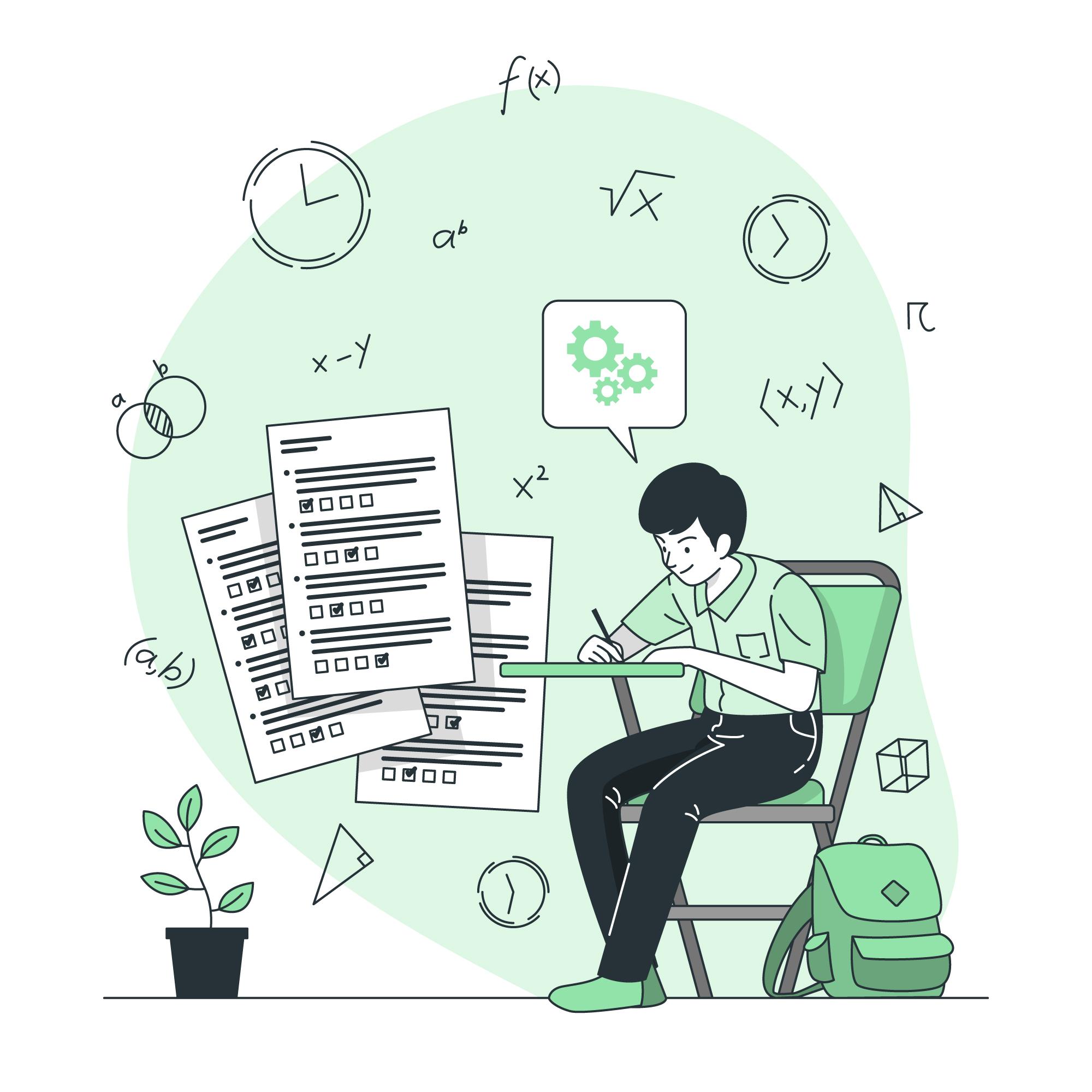
Once you glance at the syllabus, you’ll realise CTET isn’t about rote memorisation. It’s about real classroom readiness.
This is what the CTET is all about, and it is disclosed in both articles. It looks into what you know in relation to a child's way of thinking, learning and developing. You will find out about such critical educational philosophers as Piaget, Vygotsky and Kohlberg and inclusive and learning theories.
The recommended questions can be: How do you cope with the classes of mixed abilities? Or how can a teacher foster active learning? They are not trick questions; they are situations in an actual classroom.
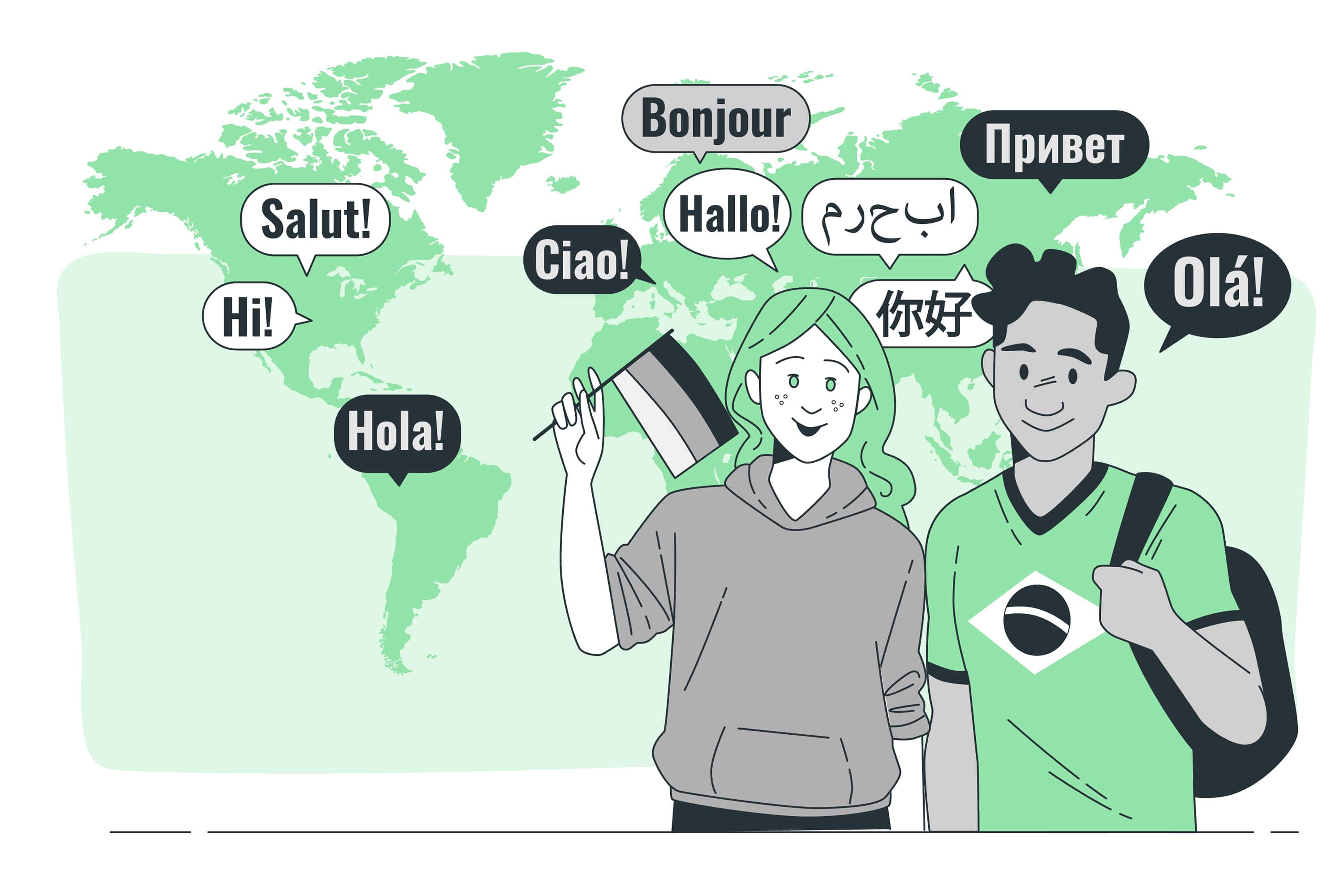
These sections challenge your language learning instructional methods. Language I is your native language, which you instruct, and Language II is a test of your general language proficiency and knowledge. Pedagogy will include passages to read, grammar use and questions.
This is what most people fail to understand: the subjects are not about the right answers but the ways of teaching. As an example, someone may ask how the best way to introduce fractions is or how to teach children about natural resources.
The CTET application is completely electronic and occurs via ctet.nic.in. When the notification is issued, please consider the following steps:
Submit the fee (1000 rupees per paper or 1200 rupees for both in the case of general candidates; 500 rupees and 600 rupees in the case of a reserved category).
Once you pass CTET, a wide range of career options opens up. You can apply for teaching posts in:
Many private schools also prefer CTET-qualified teachers because it reflects strong teaching standards.
The best part? CTET certificates now have lifetime validity — meaning once you’ve cleared it, you can apply for government or private school positions anytime without retaking the test.
Self-study is good, but with structured guidance you can go all the way. That is where Mentrovert comes in.
The programmes offered by Mentrovert are targeted at the aspirants of CTET. The learning materials, mock examinations, and study schedules are in line with the current CBSE designs, and, therefore, you will never be learning what is obsolete.
What is so unique about it, however, is the mentorship – the actual teachers showing you the ropes in the complex ideas, how to study for the exams, and even how to plan your career after the exams.
Their analytics dashboard assists in tracking your progress to ensure you understand what to improve next. Mentrovert will also assist you with the exam but will also prepare you to follow up on the interviews and job applications.
Mentrovert provides the backbone and encouragement necessary to keep you on track regardless of whether you have been lost in the expansive syllabus or have just been unable to plan your preparations.
No one wants to be a teacher to get a good job but to transform lives on a daily basis. That purpose is through CTET.
So start early. Get the syllabus and organise your study time and adhere to it. Waiting until the right moment to start doing something is not possible. Every small effort adds up.
Keep in mind, all teachers who had ever given you the impetus to do so had been in your current position at some point in time, nervous, unsure, yet determined. You can enter the teaching world with preparation, guidance and support from places such as Mentrovert.
There is a classroom somewhere out there, a classroom full of young minds that are wondering what kind of teacher you can be.
Q1. Is it possible to repeat CTET?
Yes! No limit on attempts. There were numerous winning educators taking CTET and passing it on the second attempt or beyond – it is the consistency that matters.
Q2. Is CTET required for employment at the private school?
It is not mandatory, although most of the known CBSE schools are inclined to hire CTET-qualified teachers. It boosts your credibility.
Q3. What is the number of marks that I would pass?
The requirement is 60% (90 out of 150) in the general category and 55% (82.5 out of 150) in reserved categories.
Q4. Does CTET negative mark off?
No. There is no punishment for incorrect responses, and therefore do not hesitate to answer all questions.
Q5. Which of the two exams is more difficult, CTET or State TET?
They are not harder or easier; they are different. CTET is pegged on national-level standards; State TETs are pegged on the regional curricula.








.jpg)























































.jpg)


.jpg)


-min.jpg)