
Do you want to become an engineer? Which branch suits you best? What college will be your future mould? Thousands of students are troubled by these questions throughout the year.
You are here, which has already made the first step towards clarity. BTech course is not just a degree; it is a catalyst for individuals who aspire to shape the future by being innovators, problem solvers, and dreamers.
It could be the next technological breakthrough in code, the development of green infrastructure, or the creation of more intelligent healthcare systems: engineering is the driving force behind transformation.
However, it is simple to settle on BTech Course, but to achieve success in it, one must plan, be flexible, and purposeful. This guide will walk you through the entire period of your life, from selecting your branch to after graduation, to ensure that every decision made is well-informed.
You've probably heard people say, "Engineering is overcrowded," or "There are too many engineers." The fact is, the world does not require a large number of engineers; it involves the quality of the ones it has.
India currently has a population of more than 1.5 million engineering graduates annually, and the employers have difficulties in getting ready-to-work, real-world talent. It is not a matter of quantities; it is a matter of abilities, imagination, and the capability to solve problems.
Yes, engineering can be financially rewarding, especially at the best institutions. However, the actual value of a BTech degree lies elsewhere. It prepares your mind to think, be creative, create, and develop, which is not specific to a job or company.
The engineers move on to become entrepreneurs, researchers, consultants, product managers and even policymakers. The adaptability of the degree is the most significant advantage of it – it is a background upon which you can establish several careers.
Engineers in India are revered. IITs, NITs, and most of the renowned state universities have graduates who serve in leading technology centres in the U.S., Europe, Australia, and Asia. India offers an excellent engineering education that can lead to opportunities worldwide.
Choosing a specialisation is as though selecting a travel partner – you are going to have four years together. Choose wisely.
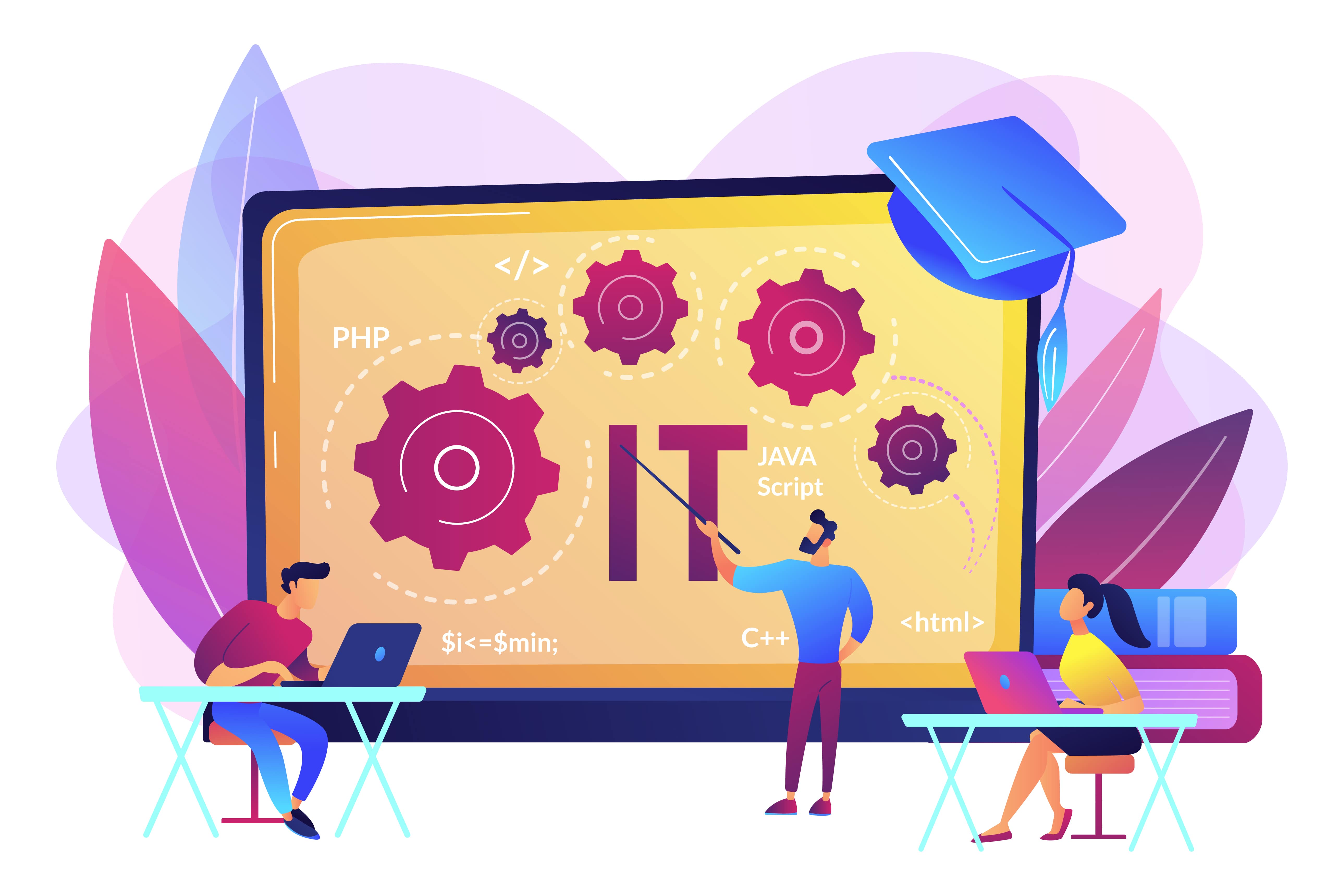
CSE and IT continue to dominate. These graduates are in high demand due to the rapid development of AI, machine learning, and blockchain technologies across all industries. But competition is fierce.
You will love it if you're a coding enthusiast. However, when you are solely focused on placements, you may become tired of the relentless learning curve. CSE is specialised in systems and software design, whereas IT is specialised in application development, data management, and user experience.
Mechanical engineering drives innovation in automobiles, robotics, and clean energy. It best suits individuals who prefer practical jobs and the mechanics of operations. It is physically challenging, but it can be incredibly satisfying to problem-solvers and creators.
Civil engineers create and sustain the infrastructure we use, such as roads, bridges, and buildings, among others. Civil engineering is essential, with the emphasis on smart infrastructure and sustainable cities. The salaries can be small at first, but the growth and employment are strong.
All these branches are a bridge between theory and real-world technology – between power systems and satellites. As India increases its focus on electric cars, renewable energy sources, and 5G, prospects are growing fast.
When you are attracted to research or the sciences, you can think about biotech or chemical engineering. Biotech is a combination of biology and technology to develop health, food, and environmental solutions. Instead, chemical engineering is the combination of chemistry and process design to drive industries, from pharma to energy.
Enrolling in a good engineering school does not just happen by working hard; it takes planning.
You'll need physics, chemistry, and mathematics in Class 12 and at least 75% marks (65% for reserved categories). Remember—strong board exam fundamentals make entrance prep easier.
Once results are out, the real decision-making begins. Balance your choice between college brand, preferred branch, and location. Do not unthinkingly follow prestige, but select what suits your best interests and objectives.
IT institutions have the most renowned research, faculty and alums networks. The entry is, however, very competitive, and the academic pressure is high. IITs will be life-defining if you are successful in challenging situations.
NITs offer high-quality education, diversity, and placement, which in most cases is similar to IITs. They are the best fit for the students who prefer good academics with reduced stress and a more balanced life.
BITS Pilani, VIT, SRM, and Manipal have state-of-the-art laboratories, international collaborations, and customised courses. They may be costly, but most students believe the exposure and the mentorship are worth the costs.
The best state universities, such as DTU, NSUT and Anna University, have good reputations but low prices. Here, it is primarily up to you to find internships and hone your skills at the earliest.
These involve applying your field knowledge—design, manufacturing, construction, or power systems. While starting packages (₹3–7 lakhs) are moderate, the learning and stability are excellent, especially in the long term.
Most engineers move to IT, branch notwithstanding. TCS, Infosys and Accenture are companies that do extensive recruitment. The compensation can initially be low, yet gradual upskilling can result in spectacular growth in a few years.
PSUs like ISRO, BHEL, ONGC and DRDO recruit engineers using the GATE exam. These jobs provide stable growth, compensation and a good work-life.
Postgraduate options include:
Choose based on where your interest lies—technical mastery or broader business impact.
The mindset of many engineers towards problem-solving can be used to initiate ventures. Startups can now, more than ever, turn ideas into impact with incubation centres, startup challenges, and funding programmes that make it easier than ever to get ideas to impact.
Most of the students make their way into engineering without advice, and in most cases, they repeat the errors made by others. Mentorship will transform this.
The job hunting sites such as Mentrovert will provide you with alums, experts and industry professionals who can assist you with all the steps, including branch selection, exams, internships and placements.
A mentor can assist you in perfecting your resume, selecting the electives, and practising, and even locate actual projects. Mentorship makes you not go about in circles but with clarity, and that is something no textbook can provide you with.
BTech in 2025 is not merely a matter of degrees or formulas but a state of mind. It will teach you to confront complexity, conform to the difficulties, and develop solutions that are important.
It will involve late nights, experiment failures, and doubtful moments. Still, there will be discoveries, breakthroughs and a feeling of pride that is not available in any other way.
The BTech course path that you will go through will not only define your career but also your confidence, creativity and resilience. Choose in a conscious manner, continue learning, and never quit the construction.
The world requires problem solvers. The world needs you.
Q1. Can I switch branches after the first year?
Yes, based on performance (usually 9+ CGPA), but it's highly competitive. Pick your branch carefully from the start.
Q2. What if I don't get placed through campus recruitment?
You can still succeed through off-campus drives, networking, and skill-based hiring. Many companies prioritise projects and portfolios over college names.
Q3. Should I choose a college brand or a preferred branch?
If you're passionate about a subject, choose the branch. If you want broader exposure or international opportunities, brand matters more.
Q4. How vital is CGPA?
Maintain at least 7.5+ to stay eligible for most opportunities, but balance grades with practical learning.
Q5. Can non-CS students work in IT?
Yes. A lot of successful software engineers are non-CS. Study code, create projects and demonstrate your abilities.








.jpg)


























































.jpg)


.jpg)


-min.jpg)