

There comes a point in every student's life when no one around them has a genuinely useful answer.
Which stream makes sense? Which college is worth applying to? Whether to keep going in a course that has felt wrong for months now. What to do after graduation when every option looks equally unclear? These are not small questions. Getting them wrong costs real years of a person's life.
Most students try figuring this out on their own or with whoever is available. Parents. Friends. A relative who studied something vaguely similar a long time ago. Occasionally, this produces something workable. More often, it produces a decision that seemed fine at the time and reveals itself as a mistake two years later. By that point, significant time and energy have already gone in the wrong direction.
Student counselling is built for this exact situation.
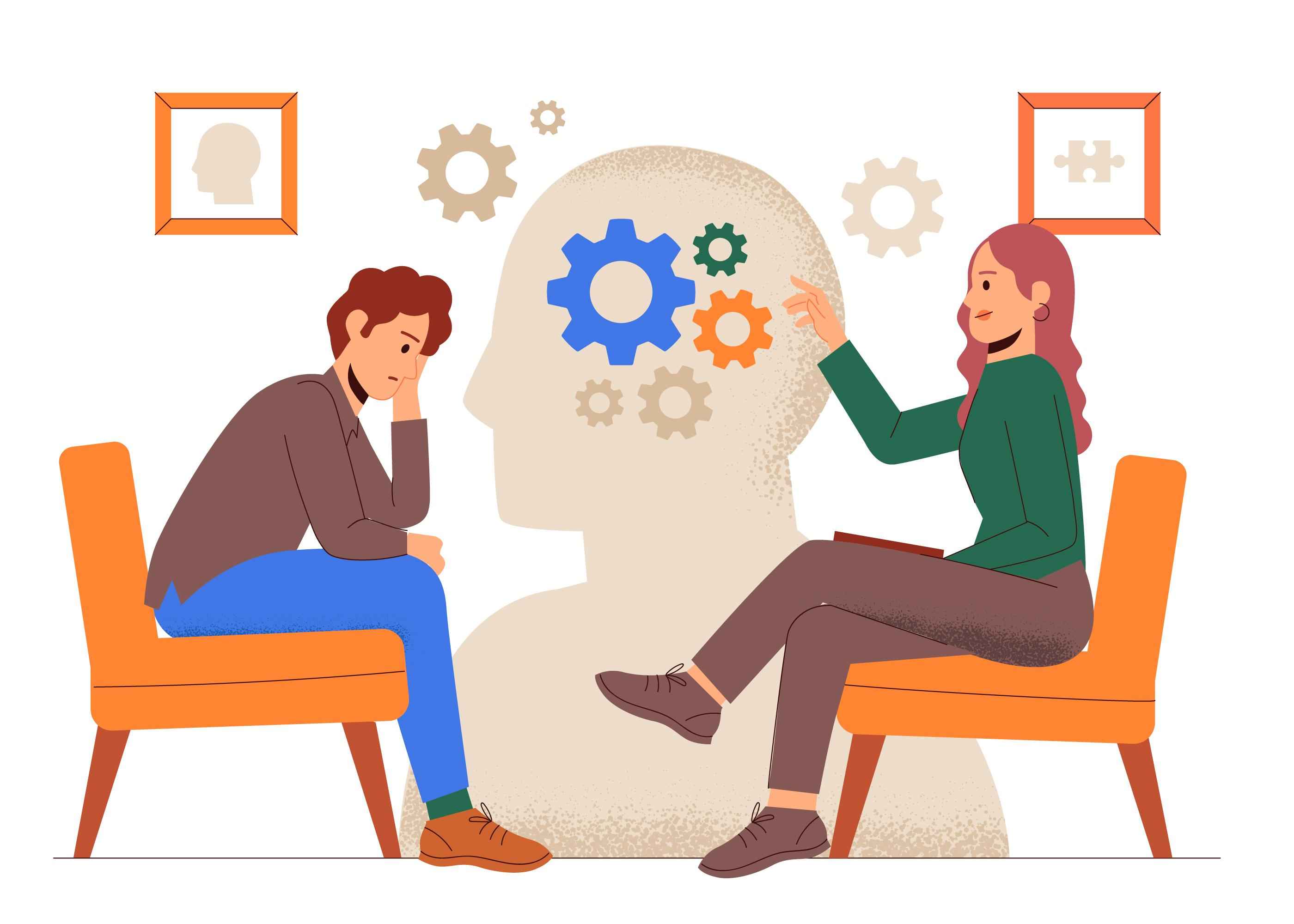
Student counselling is when a trained professional actually works through the situation with a student rather than just giving opinions from a distance.
Not presenting a list and saying, 'Choose something.' Not deciding on the student's behalf. Actually sitting with the student, helping them understand their own situation properly, working through the real options together, and landing on a decision that genuinely fits who that person is.
A good counsellor does not arrive with pre-prepared solutions. Questions get asked that push the student toward honest thinking. A space gets created where real confusion can surface without it being treated as a problem. The counsellor stays with the student until something real and clear arrives, rather than making a hasty choice to escape the discomfort of not knowing.
Student counselling is useful across many situations:
Whatever the specific situation, the same core holds. Someone properly trained helps a student think and decide with more clarity.
Most students go through their entire day without a single moment where genuine uncertainty is acceptable.
At home, parents react immediately with anxiety. At school, teachers are entirely focused on performance numbers. With friends, there is constant pressure to appear as if you have things sorted out. The real confusion gets swallowed and never properly worked through.
Student counselling provides something different. Saying "I genuinely have no idea what I want" becomes the beginning of a conversation rather than something to be managed or fixed. When that kind of honesty becomes possible, clarity tends to follow in ways it never did through other conversations.
Most poor decisions do not result from a student's lack of information. They happen because the student does not yet know themselves well enough.
When a student does not know what kind of work environment suits them, looking at career options produces nothing useful. When a student has never genuinely reflected on what interests them, they fall back on whatever seems safe or whatever the people around them are most comfortable hearing.
Career counselling for students directly addresses this. Properly structured assessments, combined with guided conversation, bring out what the student is genuinely good at, what actually holds their interest, and what kind of work they would find meaningful over the years rather than just at the moment of choosing.
Decisions built on that foundation hold up much better over time.
Students regularly make major decisions based on outdated, vague, or inherited information from others' experiences.
Engineering gets chosen because it feels like the safe, familiar option. Certain careers are avoided because someone once said the scope was limited, without anything real to back it up. Courses get selected based on what someone in the family studied many years back, rather than on how the job market actually looks right now.
Student counselling connects students to accurate, up-to-date information about the careers that genuinely exist today, what the work actually involves, what the realistic scope and salary look like, and the practical path from where the student is to where they want to go.
Self-knowledge and current accurate information, together, handled by someone trained to work with both, produce decisions that actually hold up.
Making major life decisions under pressure rather than from genuine conviction is one of the most common things that happens to students in India.
Parents push, the extended family wants engineering. The friend group is moving in one direction. The student feels something different but cannot put it into words or hold onto it when the pressure arrives.
Student counselling builds the capacity to properly understand internal instincts, test them against real information, and communicate them clearly to the people around them. Not ignoring family. The student is going into those conversations with actual grounding rather than just being pulled in every direction simultaneously.
The worst kind of mistake only becomes clear years after it was made.
A wrong stream means two full years studying subjects that are never connected to any genuine strength. A wrong course means three or four years in something that was never actually wanted. A wrong direction after graduation can take nearly a decade to correct properly.
Student counselling at the right time stops most of these before they start. Not by promising a perfect outcome but by making sure the student enters every major decision with genuine clarity rather than confusion masquerading as a choice.
Career decisions are among the most consequential choices a young person makes, and career counselling for students is central to Mentrovert work.
What the process covers:
Career counselling for students is not about prescribing an answer. It is about giving the student a genuinely honest picture of their own strengths, what real options exist for them, and what it actually takes, in practical terms, to get from where they are now to where they want to be.
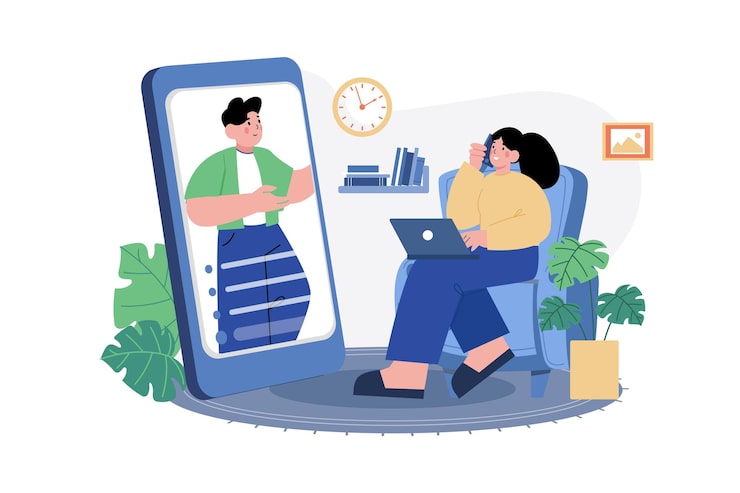
Quality student counselling used to require living in a city with good counsellors and the ability to pay for expensive in-person sessions. Students outside major metros had very little real access.
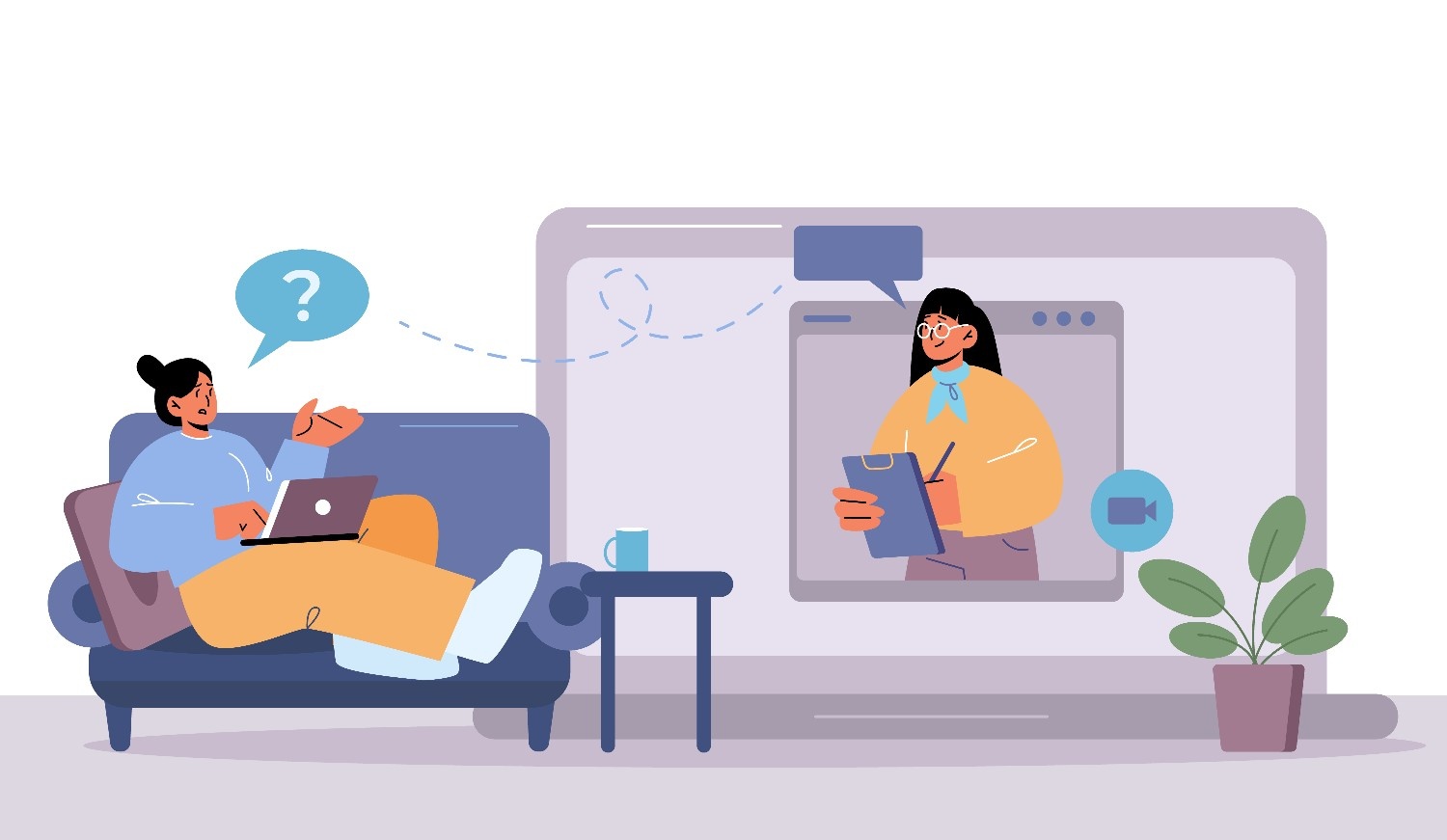
Online counselling for students significantly changed that situation.
Why it works for Indian students:
Someone in Indore, Vijayawada, Srinagar, or Guwahati gets guidance of the same quality as someone sitting in any major metro city. That kind of access is something Mentrovert is specifically designed around.
At Mentrovert, student counselling is structured and personalised. Not a generic conversation. Not one session is supposed to resolve everything.
What the process involves:
Both the student and the family finish the process with a grounded, shared understanding of the plan, why it makes sense for this particular student, and what needs to happen at each stage going forward.
Student counselling courses are training programmes for people who want to work professionally in student guidance.
Relevant for:
These programmes build capability in psychological assessment, counselling practice, career guidance methodology, and working with students at different stages and in different situations. For families seeking counselling rather than training, the important thing is that whoever they work with has a proper foundation behind their practice. At Mentrovert, that is exactly what the service is built on.
Someone who is properly trained helps a student think through their situation and make better decisions. Career, academics, family pressure, and future uncertainty. All covered.
Figuring out what you are actually good at, what genuinely interests you, and which real career options connect to both. Then build a practical plan.
Video or chat session from wherever the student is. Same process as in person, but with no travel and no waiting room.
Class 9 or 10 before stream selection is ideal. But Class 11, 12, mid-degree, and after graduation, all work too.
Training programmes for people wanting to work as professional counsellors. Cover assessments, counselling methods, and practical skills for working with students.






.jpg)

.jpg)





.jpg)
.jpg)




.jpg)