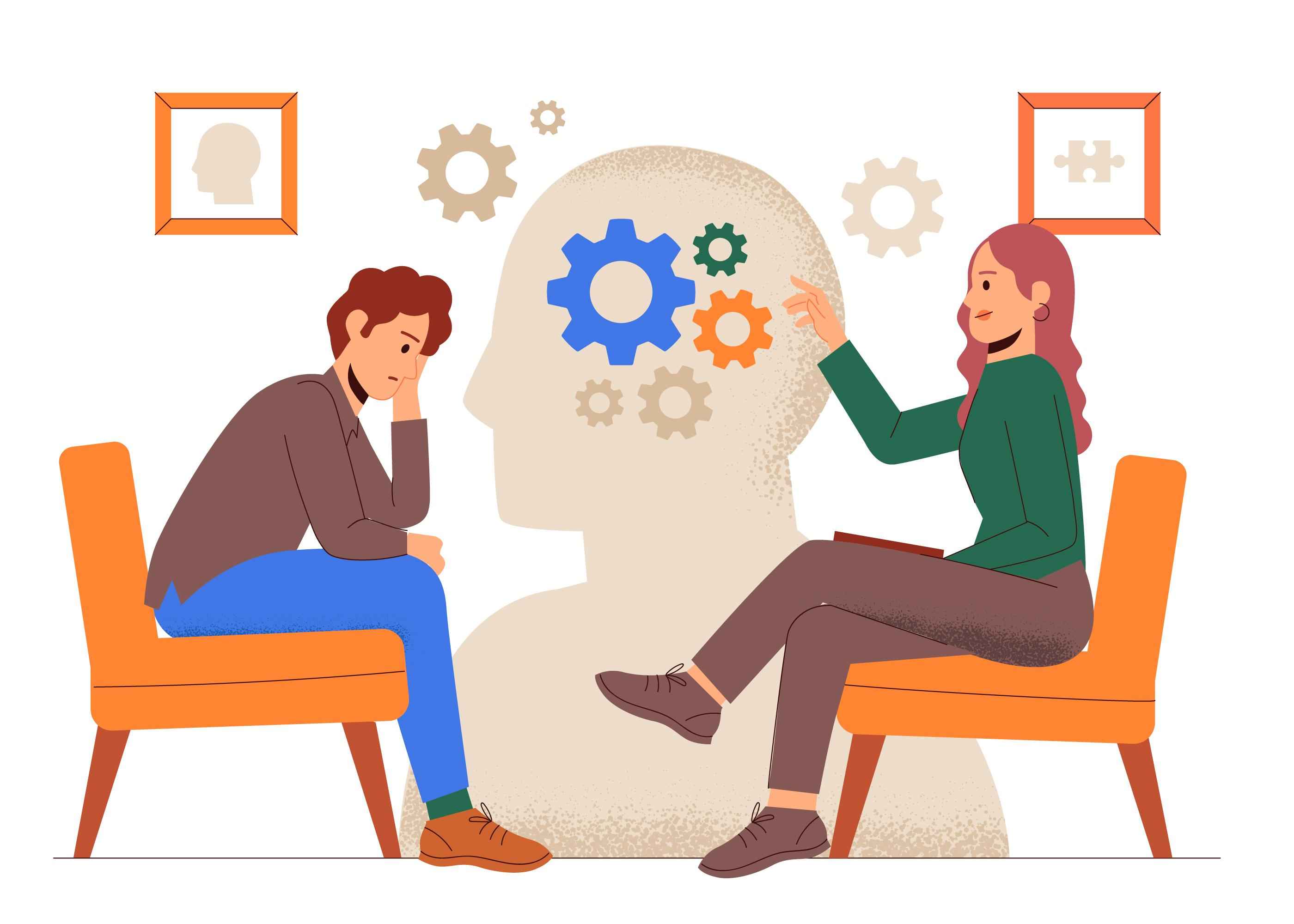


Choosing a career is one of the most significant decisions a student will make. This is not just a question of the selection of a subject or college, but of the future. Classes 9 to 12 students are always anxious that they are making the right choice of stream and occupation.
Each decision seems substantial and irreversible. The pressure is compounded by the fact that the number of career choices is many in the present, and parents, teachers, friends, and social media give advice. This may cause fear and misunderstandings.
The positive side of the situation is that students do not need to make decisions independently. Career assessment tests are like a guide. They assist students to learn their interests, personality, skills and values and align them with appropriate career choices.
We all have preferences, yet many people struggle to explain what they want and how it fits into actual careers. Career assessment tests aid in organising your preferences and showing patterns that you have not noticed previously.
Firstly, there are students who find it hard to get bored when solving maths problems. Some of them are the happiest when they are drawing, writing or creating something new. Some feel good helping friends solve problems or being patient when explaining things. The career tests identify these likes and match them to appropriate career areas.
After identifying your interest, the test then links it to absolute career paths that are currently in existence. Being motivated can be achieved so easily when your daily work involves what you enjoy doing.
Research has indicated that students who pursue a career that they are interested in are much happier in their work than students who seek a job due to pressure or due to good earnings. Happiness contributes to a lot of success in the long run.
Learning becomes easier when you enjoy what you are doing. You are more ready to become better, accept the challenges, and develop. This will eventually result in confidence, increased performance and an increased sense of purpose in your career.
Personality contributes significantly to your comfort at work. There are individuals whose energy sources lie in teamwork, meetings, and communicating with a multitude of people. Some are working at their best, without much disturbance, engrossed in minute work.
Career assessment tests examine issues such as:
Are you an introvert or an extrovert? How much do you depend on reason, or do you follow your intuition? Stress management and problem-solving. Do you like to have everything organised, or are you more spontaneous and flexible? Interaction with others and working in teams.
A job may sound ideal on paper, but it may end up leaving you miserable when you are not suited to the workplace. Think of a highly creative individual trapped in an occupation where they have to do tonnes of paperwork and follow strict rules – they would feel confined. Conversely, a person who adores organisation and planning may always experience stress in a hectic startup where things keep shifting every day.
Mismatches are identified during career assessment tests. The test may recommend marketing, event planning, or PR in case you need action and energy in your life. But you like details and organisation; you would be better at research, accounting or management.
What is on your report card is not the only story. Your best talents may never appear in any exam. Career assessment tests consider a far broader set of skills, such as:
Problem-solving and thinking, your creativity and skill in coming up with new things, Communication skills and teamwork skills, Leadership qualities and organisation skills, Talent in numbers or science analytically.
These talents may remain concealed until a test causes them to come into the limelight. You may find out you are good at breaking down complex issues into simple ones, or you tend to organise group projects, or you find easy solutions to problems as soon as they occur. All these lead to your future career potential.
When your daily job fits your innate abilities, you are competent and assured. You are not always trying to live up to the expectations – everything flows naturally, and success is an easy task.
This type of match brings forth actual contentment. When you feel good at what you do, you will be recognised, and chances will come, which is a further motivating factor and will make you even happier.
Career tests do not simply detect your skills and stop there. They also propose the methods for their further development. When you pass the test and you realise you have leadership potential, then you may be encouraged to take up student council positions or lead group projects. This assists you in turning natural strengths into career benefits.
Work values refer to what is really important to you at work. Various individuals appreciate different things; some people require stability and safety, while others need adventure or desire to make a change. Common work values include:
Helping others and serving society, being financially secure and well-earning, being flexible and balancing work and life, being creative and innovative, finding leadership and a chance to grow
A sense of pride is something priced at nothing when your profession is in accord with your better values. As an example, a person who truly appreciates the idea of helping others may be the happiest social worker, doctor, or teacher. Meanwhile, a person who cares about being independent may become a successful entrepreneur or freelancer.
A career assessment test can recognise these values early in life so that you do not regret it later. They act as a filter and move you out of careers that may seem impressive on paper but do not actually match what you are passionate about in the depths of your heart.
Students are usually forced into some careers due to expectations of other people or family influence. However, living a life according to what really fits you is what makes you truly happy. The career assessment test is like saying, "This is what suits me, not what looks good to everybody else.
Contemporary career assessment tools not only look into you but also outward into the real world. They look at the changes in the industries, what positions are expanding and what schooling you would require, and ensure that the professions they offer you are realistically viable in the present day.
It offers growth-related industries. Careers that will be sought after in the future, what you will need to know, and how your salary will increase with time.
Harbouring unrealistic thoughts about a career may cause frustrations in the future. A career test provides you with a far better idea of what you would in fact be doing during the day, what your obstacles would be, and what your schedule would be lWhen when you are seeking to be a doctor, you ought to be aware of how many years you will be studying, how many hours you will work, and the emotional strain involved. With this information, you are now able to make informed choices.
At Mentrovert, we understand how overwhelming career decisions can feel. Our career assessment tests are designed specifically for Indian students in Classes 9 to 12, keeping the education system and job market in mind.
Created by experienced career counsellors, our tests focus on helping students understand themselves—not just follow trends. We also offer free counselling support because we believe every student deserves proper guidance.
Your career journey begins with self-awareness. Take the Mentrovert career assessment test today and move forward with clarity and confidence.
They are effective when taken seriously and discussed with a counsellor. Many students report higher job satisfaction when they follow insights from these tests.
Classes 9 or 10 are ideal, but Class 12 students can also benefit before choosing a college course.
Yes. Interests and priorities evolve. Retaking the test later can offer updated direction.
No tool can guarantee happiness, but they significantly improve decision-making by reducing guesswork.
No. Aptitude tests focus on abilities, while career assessments consider interests, personality, values, and skills together.









.jpg)


.jpg)







.jpg)
.jpg)





.jpg)