

The first year in high school is an exciting experience but can be overwhelming. High school and college youth (9 and 10) are at a crossroads and can determine their future with their selection. In this regard, career guidance in the early stages comes in. Career counselling also helps the young students to know themselves better and research the many ways in addition to the confidence necessary to get started.
Most of the students in the 9- and 10-year-olds have barely heard of what other career opportunities are available beyond the usual role of a doctor, engineer, or teacher. They can be at a crossroads on what they can focus on or be afraid of making the wrong choice. This confusion can be removed through teen career planning, where the teens are made aware of the whole range of options available and which ones they can effectively pursue depending on their skills and interests.
Early career guidance gives the student the room and time to experiment. They can be able to think of their future at an early age before making decisions that are consequential in grade 11 or 12 since they might make better decisions when it actually counts.
The majority of students do not even know what their strengths are and what exactly motivates them. They are likely to choose the subjects because the same choice has been made by their friends or their parents. Career counselling entails simple examinations and consultations, which are expected to guide students to discover the skills that they are supposed to be good at and also what their real interest is.
Knowing what the students like and do well makes the students feel safer in their decisions. The first step to gain career confidence is self-awareness. They can make their choices based on what they are and not based on the mob.
Most teenagers have heard about 20-30 jobs, but there are thousands of other types of jobs. Benefits of career counselling is that the students get to know about careers that they may not have considered, such as becoming a game designer, environmental scientist or content developer, food technologist or analyst.
Once students learn about such options, their world is opened. They know that they do not have to strain themselves to undertake a profession that is not dynamic. This knowledge builds confidence as they are able to know that everybody has a place to fit regardless of their interests.
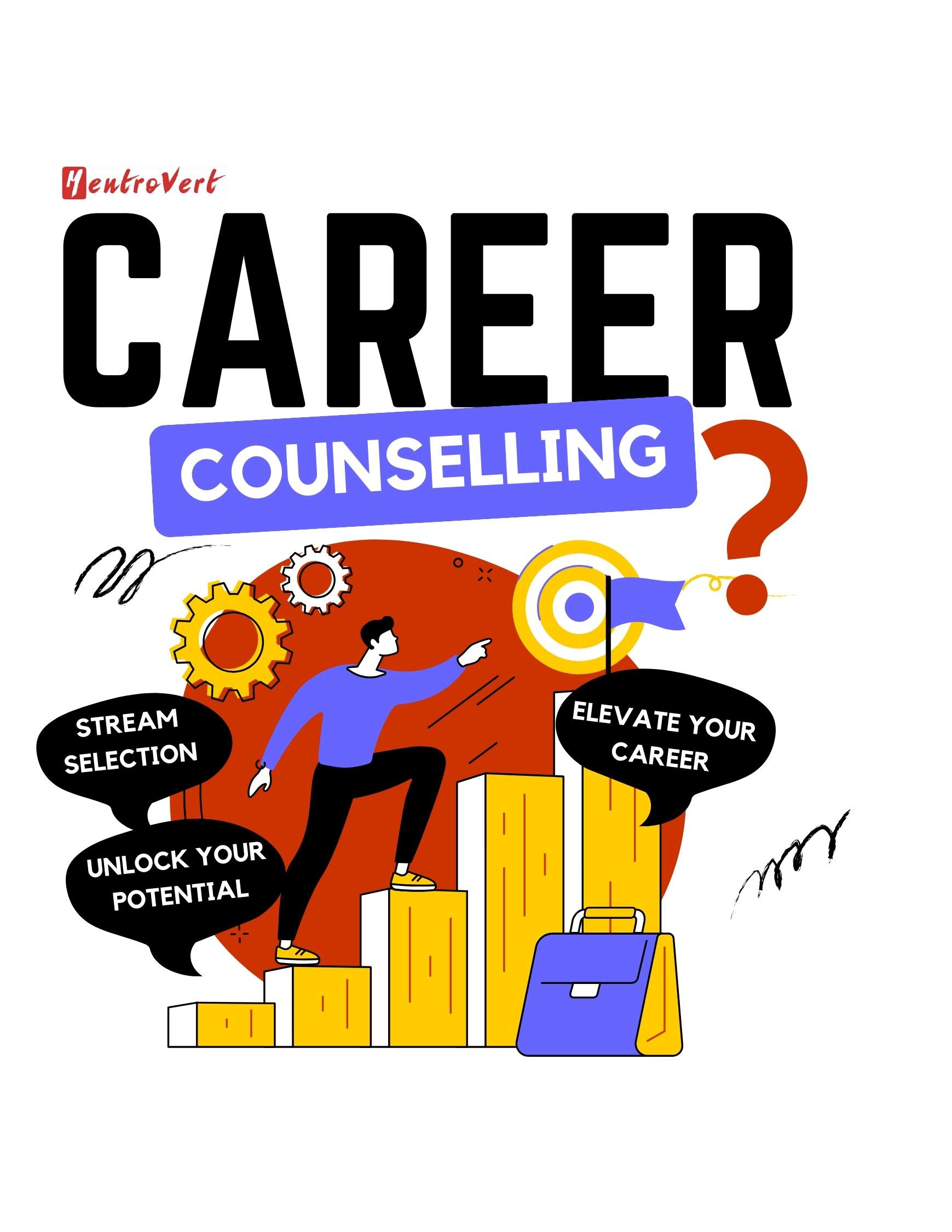
In the 10th grade, students have to choose whether to follow Science, Commerce or Humanities. It will be a scary step because it seems irreversible. Career guidance helps the students to understand the stream they are good at.
A counsellor can discuss those topics that they need in different professions and make students realise the bigger picture. When the students are certain of the purpose of studying certain subjects, they become more confident. They do not speculate or guess but make informed decisions.
Absence of objectives makes students confused or demoralised. Teen career planning: short-term and long-term planning. The person to break giant dreams down to small and machete-sized is a counsellor.
Through example, the counsellor can educate a student who wants to become a psychologist about the course path, the respective exams and the necessary skills. Having this kind of roadmap, the anxiety is reduced and confidence is generated as the students know what they are expected to do next.
There are lots of students who are worried about their future because they do not know what they are doing, or their parents are compelled to decide. This stress can be relieved through early career counselling, which brings out clarity and support.
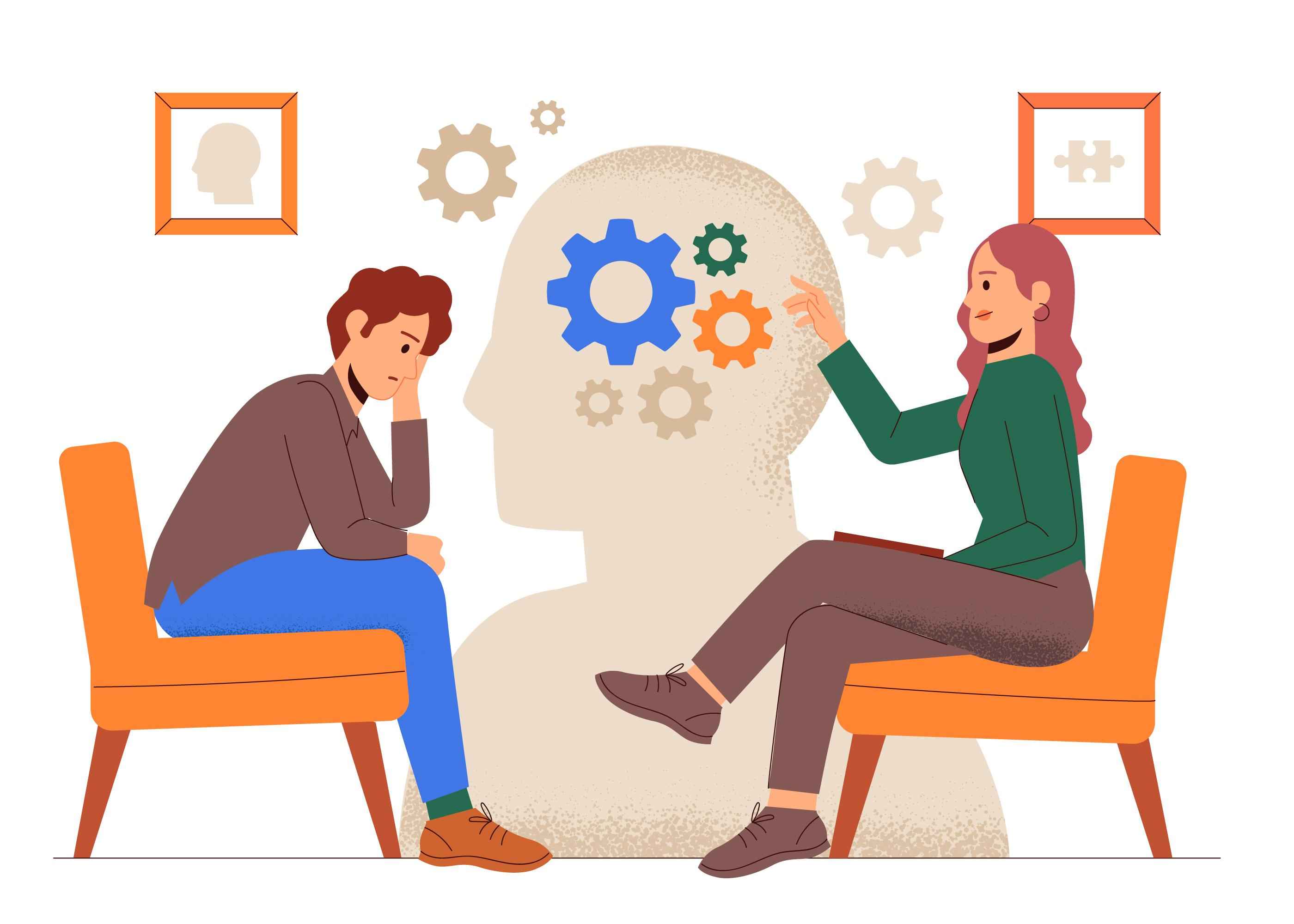
Students of the school have a chance to discuss the problems with a professional, as they feel that they are heard and understood. One can make them resolve the pressure of the family, handle the expectations, and establish the way of conveying their desires with the assistance of a counsellor. Emotional support is one of the most beneficial opportunities of career counselling.
Career counselling teaches students to make a viable decision – which they will utilise in life. Instead of acting under pressure or fear, the students will be taught to think through the available options, compare and contrast and take a decision that best fits them.
This brings about confidence in their careers, as the students get to know that they are able to decide their own future. They are not passive onlookers but are decision-makers who can address challenges and make smart decisions.
All students are people; they possess their personalities, good and bad things, and personal dreams. Whatever the internet or other well-intentioned individuals tell us to do as generic advice is not always applicable to all. Career counselling also provides personalised counselling where a counsellor comes up with a plan for that particular student.
The personalised approach renders the students significant and recognised. Such guidance makes students believe and be assured of putting their trust in such guidance, as they are taken in a certain direction to the situation. They are not willing to follow a scheme of another individual; they have their plan to be made to succeed.
The work environment is changing at a high pace, and each day there are new technologies and job descriptions. One of the consequences of career guidance during early years is making the students flexible and adaptable. They also get to know that career life is not a linear process immediately after taking a direction but that one can always make alterations as one matures and gains more knowledge.
Career counselling is also applied to ensure that the students are aware of what will happen in the future, including skills like communication, problem-solving and creativity. The sooner the students acquire such skills, the better placed they are, and they are more confident that they will handle anything that comes along their way.
To get the best results from career counselling, students should:
Career confidence does not happen in a single day; it develops provided students have the right information, encouragement and advice. Career counselling is not merely used in choosing a stream or career. They include knowing yourself better, being less stressed, making more wise choices and thinking that you can create a bright future.
We have discovered the specialness of the issues of Indian students in the 9th and 10th grades at Mentrovert. We have certified counsellors who can provide you with personalised and online counselling services that are sensitive to your needs and targets. It is our business to support the students during these vital years by advising them on which careers to choose and also supporting them with mental health services when they need it.
We believe that all students require quality counselling, and that is the reason why we offer our services at no charge to students who are willing to take our test. Our counsellors are conversant with the Indian education system and ensure that they keep abreast of the trends in the industry so that they can give you the right guidance that is realistic.
You could be at a crossroads as to what stream to follow or what other careers you could want to venture into, or you just need to know more about yourself. We are the ones who will help you.
You need to begin to feel more secure about career planning, as your needs are the starting point. And there is your future – and when you are on the right road, you will be all ready to shoot it.
Q1 What is career counselling for students?
Career counselling is a process where trained professionals help students understand their strengths, interests, and goals. They guide students in exploring different career options and making informed decisions about their education and future.
Q2 At what age should students start career counselling?
Students should ideally start career counselling in grades 9 or 10. This gives them enough time to explore different options, understand themselves better, and make thoughtful decisions about subject choices and career paths.
Q3 How does career counselling help students?
Career counselling helps students identify their strengths, discover new career options, set realistic goals, reduce stress about the future, and build confidence in their choices. It provides personalised guidance based on each student's unique personality and interests.
Q4 Is career counselling only for confused students?
No, career counselling is helpful for all students. Even those who think they know what they want can benefit from exploring other options, understanding industry trends, and creating a clear plan to reach their goals.









.jpg)


.jpg)






.jpg)
.jpg)





.jpg)