

Okay, so this is something most parents figure out way too late.
Anyone in India can call themselves a career counsellor. Seriously, anyone. The guy running a coaching centre near your house. The retired school teacher is three lanes away. That one relative who studied commerce and now has opinions about every child's future. None of them are lying exactly. But none of them are actually qualified to guide your child's career either.
And yet this is where most students in India get their career advice from.
Your child is about to make a decision that will shape the next ten years of their life, minimum. That decision deserves better than whoever happens to be available and confident.
Parents in India work incredibly hard for their children. Anyone who says otherwise has not seen an Indian parent in action during admission season.
But here is something strange that happens. The same parent who spent three weekends visiting different schools before choosing one will pick a career counsellor based on one WhatsApp recommendation without asking a single question.
It is not carelessness. Career counselling just feels harder to evaluate than a school building. You cannot see it. You cannot touch it. So most parents default to trust and convenience and hope it works out.
Sometimes it does. Often it does not.
And the cost of it not working out is not a bad term at one school. It is your child spending three or four years in a course they have no interest in, slowly losing motivation, and coming out the other side more confused than when they went in.
That is a heavy price for skipping the research.
This is the part nobody really explains clearly.
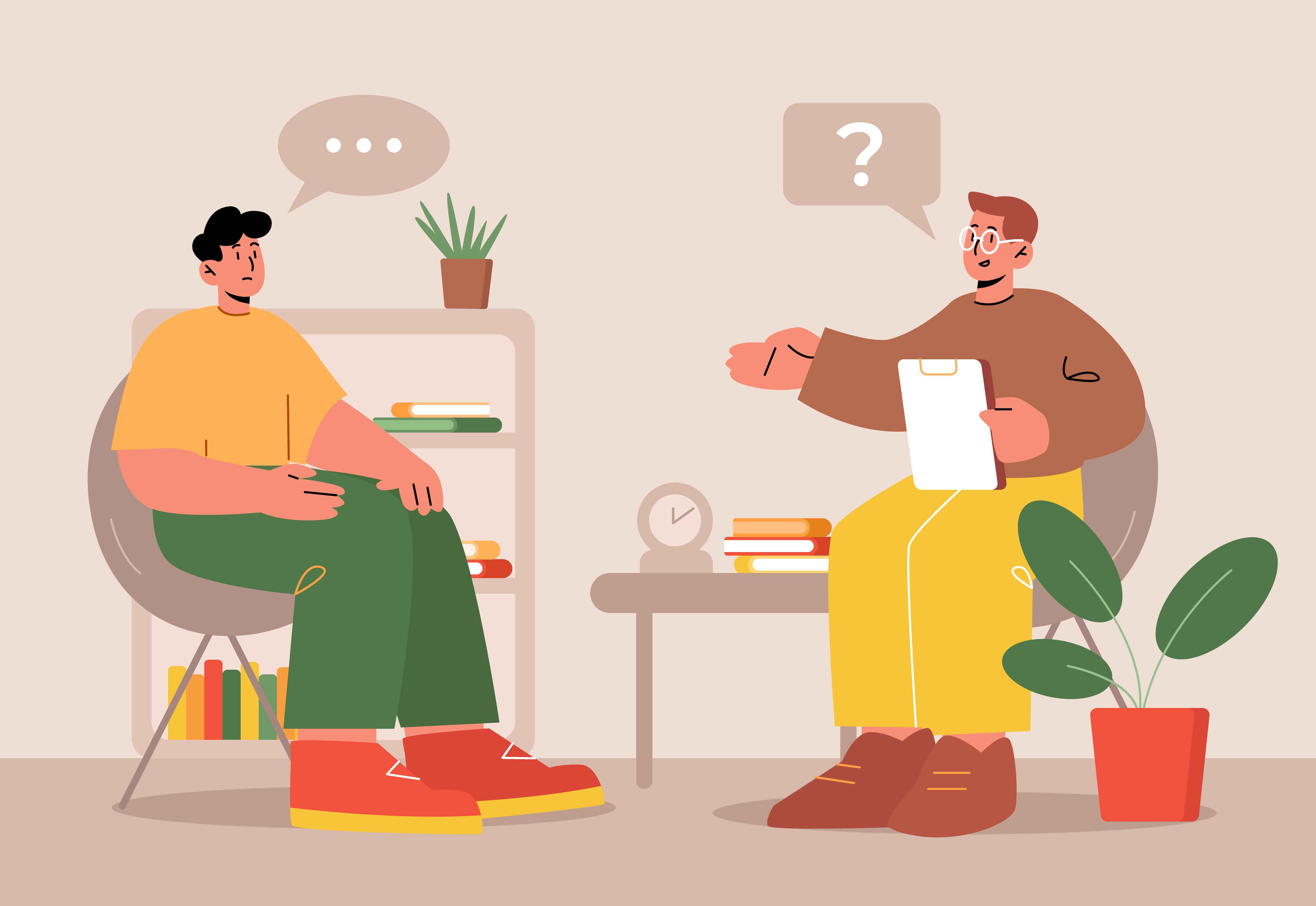
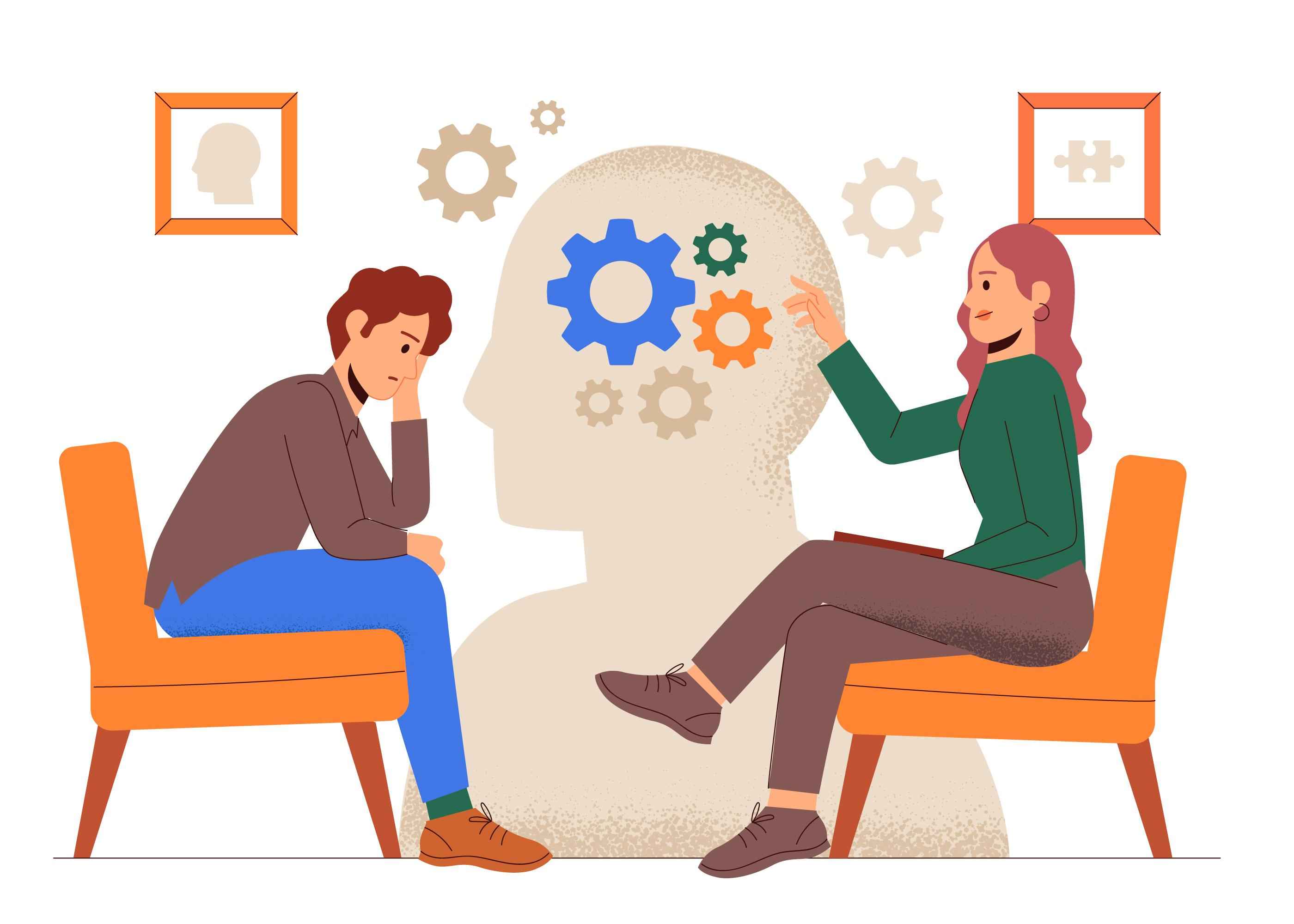
A good career counsellor does not walk into a session with answers ready. They walk in with questions. Real ones that have nothing to do with marks or percentages.
What does your child do when they have completely free time and zero obligations? What kind of problems do they actually enjoy thinking about? Which subjects make them feel capable, and which ones make them feel like they are fighting against themselves every single day? What kind of life do they picture for themselves? Not the career, the actual life. Where do they want to be? What do they want their days to feel like?
These questions sound too simple to matter. They matter enormously.
Because marks tell you what a child can do under pressure. These questions tell you what a child actually is. And building a career on the second thing is a completely different outcome from building one on the first.
The best career counsellors know how to ask these questions and then connect the honest answers to real career directions that fit that specific child. Not a general list of options. A real direction built around who that child actually is.
A nice website with a lot of certifications listed is not the same thing as actual experience.
This sounds obvious. It is still where a lot of parents go wrong.
What you actually want to know about any counsellor is very specific. Have they worked with students in the 9th to 12th grade range, or do they mostly handle adult career transitions? Do they understand the Indian education system from real experience, the board exam pressure, stream selection, the JEE and NEET culture, and what it actually feels like inside an Indian household during these years? Have they helped students in situations similar to your child's, or do they mostly deal with very different kinds of problems?
Ask these questions directly. Do not feel awkward about it. A counsellor with genuine experience answers these things easily because the answers are just their actual work history.
If someone gets uncomfortable or vague when you ask about their specific experience with students like yours, pay attention to that. It is telling you something.
Ask them what their first session with a new student actually looks like. Not what their philosophy is. Not what their approach is in theory. What literally happens in that first hour.
If the answer is mostly about assessments, reports, and tools they use, be careful. Those things are not bad exactly, but if they come before any real conversation about who your child is as a person, something is backwards.
If the answer involves listening first, asking questions, and trying to understand the student before drawing any conclusions, that is a much better sign. That is what the beginning of good counselling actually looks like.
The counsellors worth trusting are not in a rush to give you answers in session one. They know that good answers take time and real understanding.
A counsellor who jumps to specific college or course recommendations very quickly. Before they have spent real time with your child. Before they know much about who your child is. That speed is a red flag, not a green one.
A counsellor whose advice sounds like it was written for every student everywhere. Engineering is a great field. Data science is growing fast. These things might be true in general, but they have nothing to do with your specific child. Generic advice dressed up as personalised guidance is still generic advice.
One session followed by a printed PDF report that your child had almost no part in creating. That is not counselling. That is a document. Real guidance happens across multiple conversations that build on each other as your child's thinking develops and shifts.
And watch your child's face after a session. If they come out looking blank or more overwhelmed than before, that session did not help. If they come out saying that person actually understood what I was trying to say, that is the thing you are looking for.
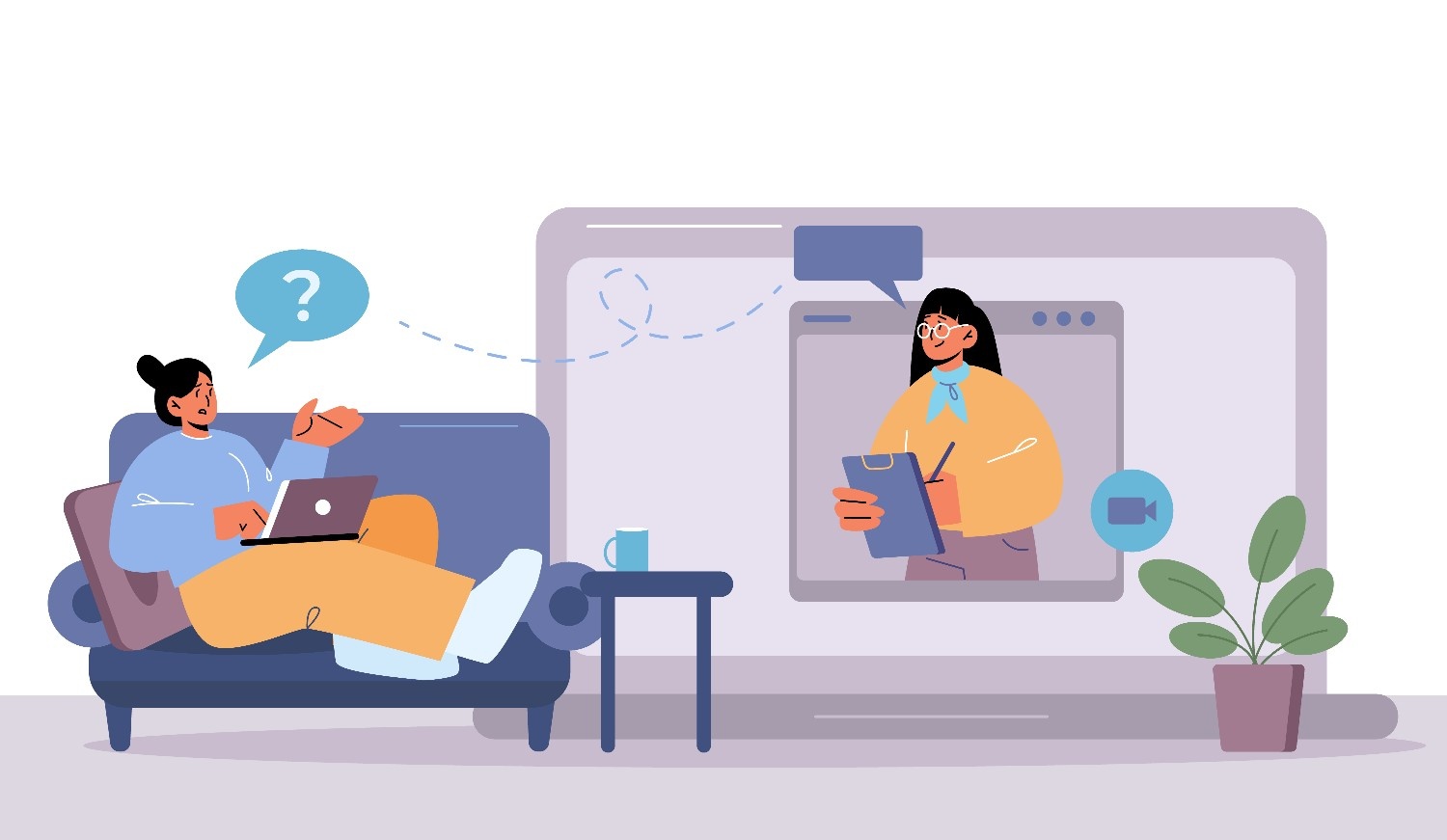
A lot of parents still feel like 'online' means 'lesser' somehow. Like the physical office is where the real work happens.
But what makes a counselling session actually valuable has nothing to do with the room. It is the quality of the conversation happening inside it. A mediocre counsellor in a fancy office is still a mediocre counsellor. A genuinely experienced one on a video call is still genuinely experienced.
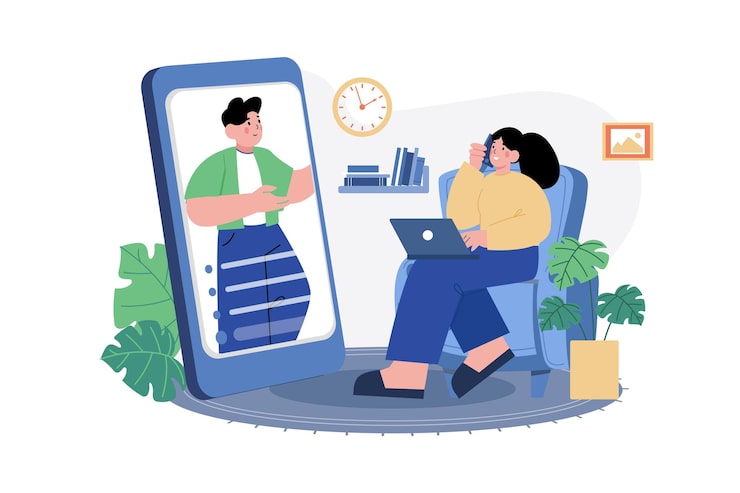
Online counselling also gives you something that local options usually cannot. Access to the best career counsellors in India regardless of where you live. If you are in a smaller city or town, the most experienced counsellors are probably not near you. Online removes that problem entirely.
And here is something parents do not always expect. Many students open up more easily in their own room than they would sitting in a formal office they have never been to before. That comfort directly affects how honest and useful the conversation gets. Which directly affects how good the guidance is.
If your child is somewhere between Class 9 and Class 12 and you are genuinely trying to find good career counsellors, Mentrovert is a platform that has been built specifically for this.
It is the first platform in India to combine career counselling and mental health support for students in this exact age group. Not a general service. Not something built for adults that also handles students sometimes. Built entirely around what students in grades 9 to 12 are going through during these specific years.
The counsellors there have real experience with the Indian education system and everything that comes with it. Stream selection anxiety. Board exam pressure. The specific difficulty of wanting something different from what your family has already decided. The JEE and NEET world and what it does to students and families. These are not things they have read about. These are things they work through with real students regularly.
Sessions are one-on-one. Genuinely personalised. No standard template running in the background. And they offer free sessions for families who cannot afford paid counselling because the team believes a financial situation should not be what decides whether a student gets proper support.
Everything is online. Location does not matter at all.
Reach them at info@mentrovert.com or call +91 7973654070.
Be specific about what your child needs right now. Stream selection guidance is a different problem from college application support, which is a different problem from figuring out a career direction after 12th boards. Knowing the actual question you are trying to answer helps you figure out whether a particular counsellor is equipped to help with it.
Ask real questions and listen to how they answer, not just what they answer. Vague responses to direct questions are not information.
And let your child have some say in who they work with. A counsellor your child feels completely disconnected from after the first session will not be effective, no matter what their resume says. That initial sense of being heard and understood matters, and your child will know whether it is there or not.
The right person is findable. You just need to know what you are actually looking for before the search starts.
Class 9 is ideal. Stream selection comes fast and having clarity before that moment rather than during it makes a real difference.
Do not push hard. Frame it as just a conversation. One free session usually breaks the resistance faster than any amount of convincing from you will.
Depends entirely on the student. Two or three for some. More for others, especially when board pressure and career decisions are overlapping. Anyone quoting you a fixed number before meeting your child is guessing.
Often, more than struggling students actually. High performers feel trapped by everyone's assumptions about what they should obviously do next. Counselling gives them space to figure out what they actually want.
Your child should feel less overwhelmed and have some directions that feel genuinely theirs. Not a complete plan necessarily. Just a clearer head and a real starting point.







.jpg)


.jpg)





.jpg)
.jpg)




.jpg)