

Class 10 gets over, and suddenly everyone wants to know which stream. Class 12 finishes, and the question becomes college, an entrance exam, and a career. And somewhere in the middle of all those questions, most students quietly realise something uncomfortable.
Nobody taught them how to answer any of this.
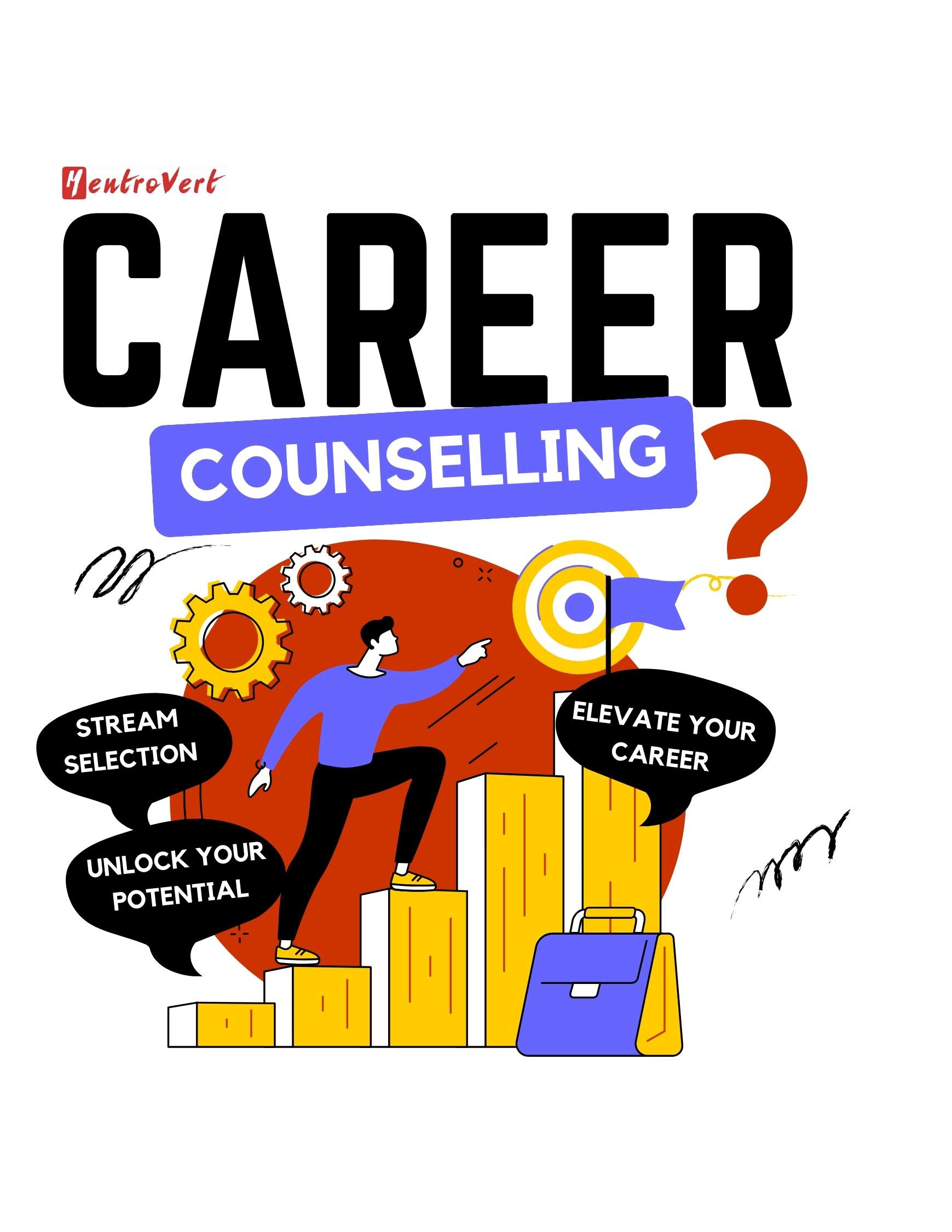
Not school. Not coaching. Not the internet, which multiplies options without helping pick between them. Career guidance fills that gap, not by handing over a ready-made answer but by helping a student figure out what actually fits them specifically before the wrong decision gets made and costs real time.
People use this phrase loosely, a teacher suggesting engineering. A parent forwarding a salary comparison on WhatsApp. Neither of those is career guidance.
Real career guidance is a proper process. Someone trained for it helps a student understand their own strengths and interests first, then maps those honestly against what different career paths actually look like from the inside. Not what they sound like from outside. What the day-to-day reality is.
Students carrying questions they rarely say out loud get answers here:
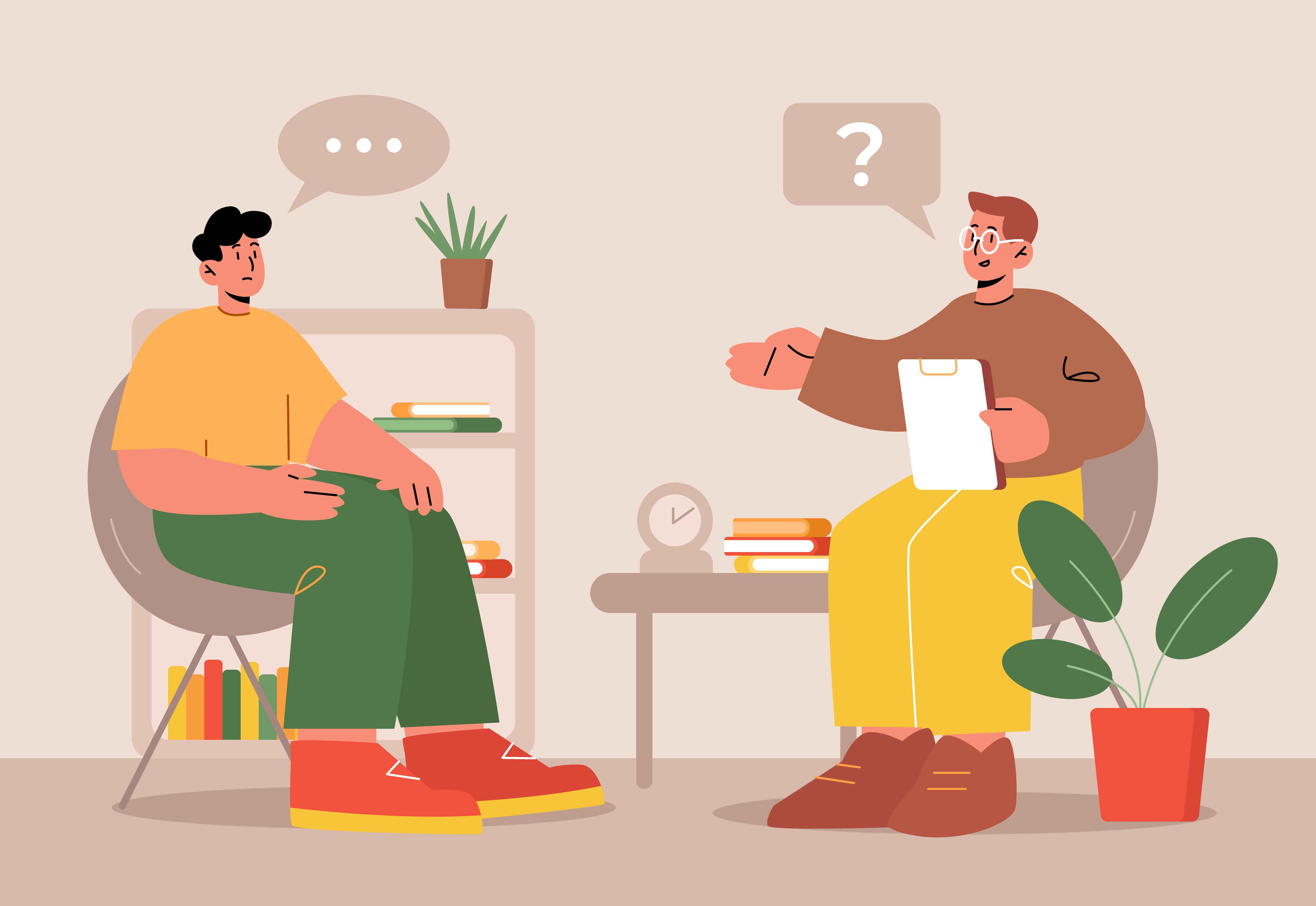
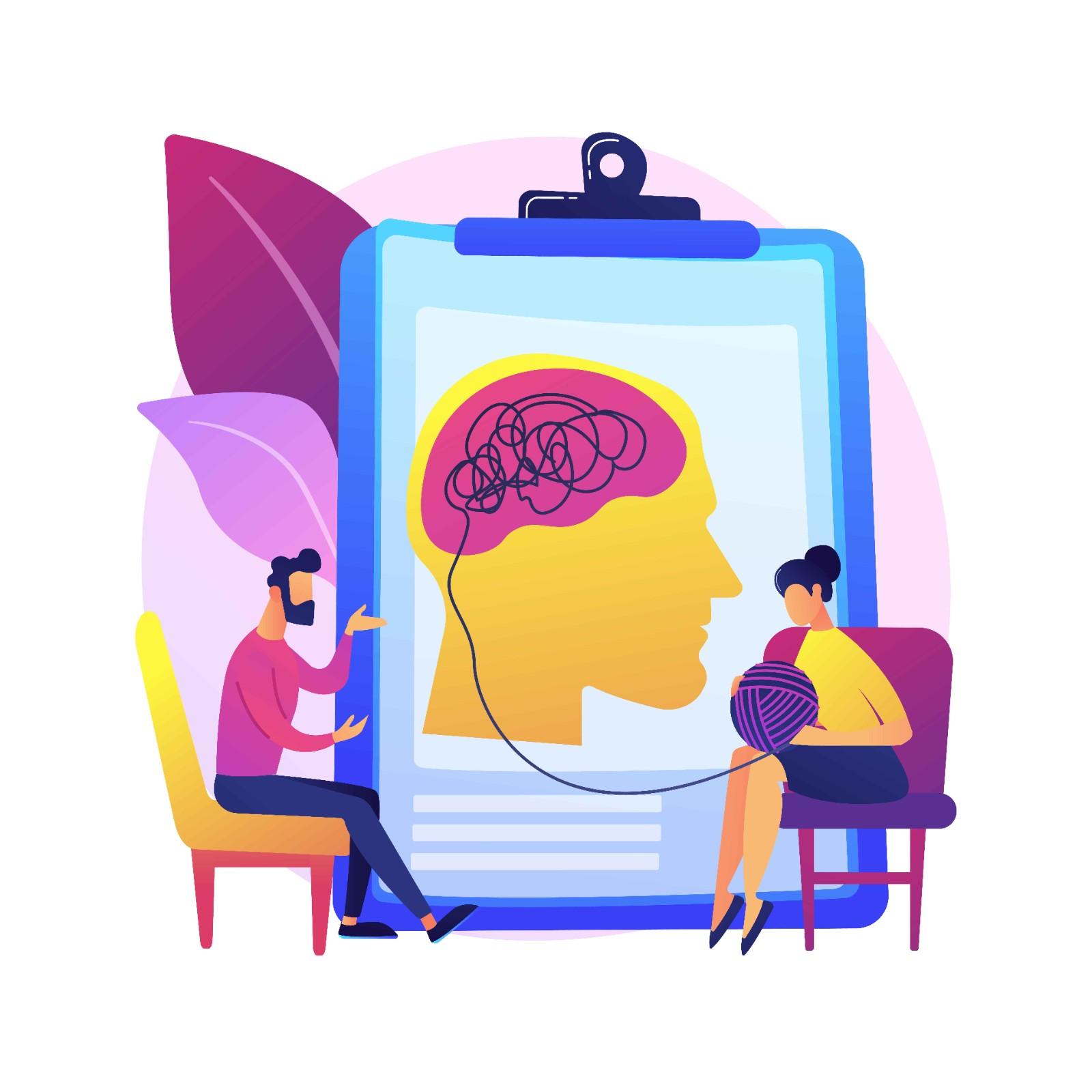
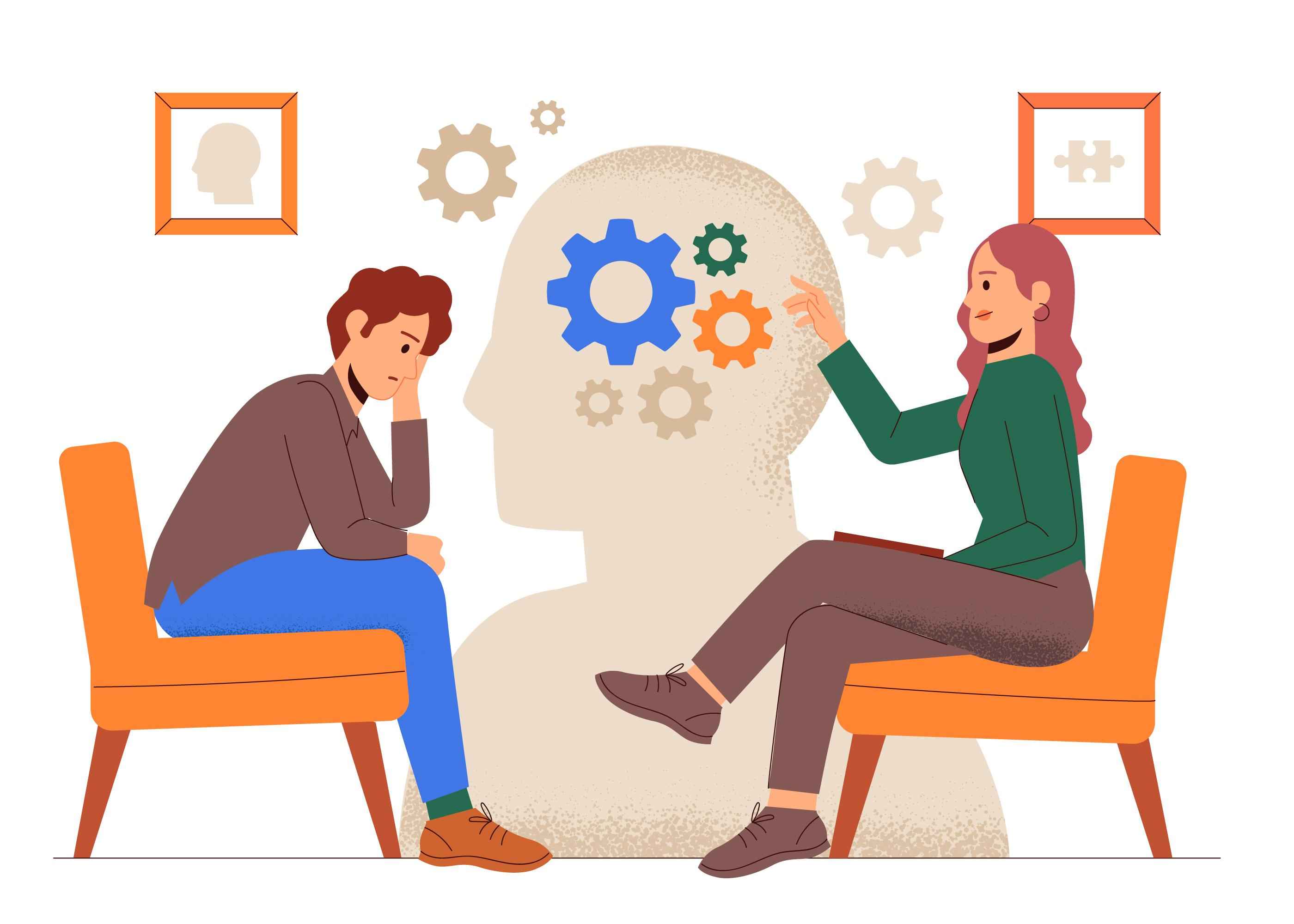
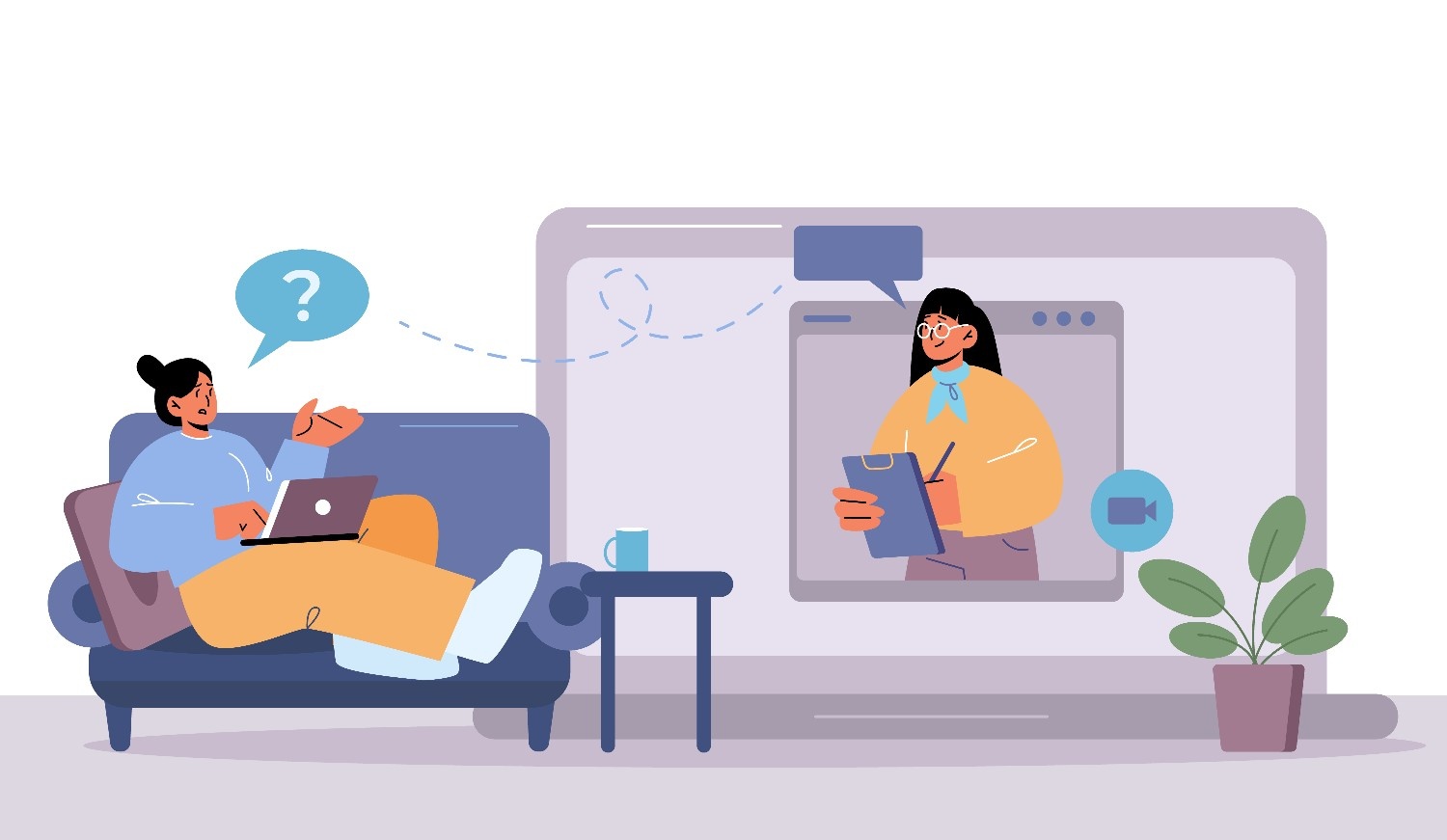
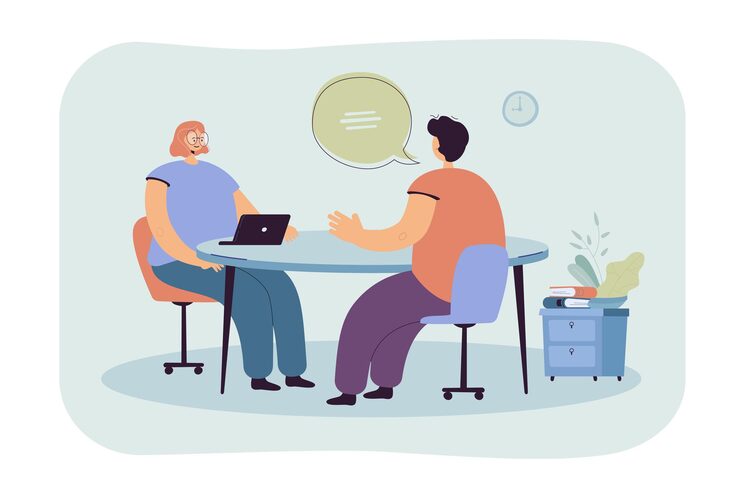
Career guidance at its best is not advice being given to someone. It is a conversation in which the right questions are asked until the student starts figuring out their own answers.
What gets picked here shapes the next two years and points toward certain careers more than others. Most students pick based on marks or on what causes the least conflict at home. Both are genuinely bad reasons.
The science stream opens engineering, architecture, medicine, biotechnology, and data science, depending on whether it's PCM, PCB or both. Heavy on problem-solving and theory. Not suited for students who find that thinking draining, regardless of how their exam scores look.
The commerce stream connects to:
Arts and humanities, which get dismissed far too often, lead to:
The mistake that keeps coming up is a student with strong maths scores who genuinely dislikes working through problems, picking PCM because it seems like the obvious move. Career guidance at this stage can catch it before it becomes a two-year misery.
Most science families narrow the entire conversation down to two exams. Career guidance opens it back up.
Engineering has more inside it than most students realise. Computer science feeds into software, product, data, and AI roles. Mechanical, Civil, and Electrical for students who are actually interested in core work. Electronics for hardware and embedded systems. These are different careers that require different kinds of thinking, and not every science student is suited to all of them equally.
Medical paths beyond MBBS:
And then the category that most students and families haven't yet fully caught up with. Pure science research. Environmental Science. Space technology, renewable energy. Data science is accessible to those with a science background without requiring an engineering degree. A student who doesn't crack JEE or NEET at the top level has genuinely strong options if someone helps them see clearly, rather than treating exam results as the final word on everything.
Commerce students in India often feel the path is already written. CA or something adjacent to CA. That picture is about a decade out of date.
Traditional paths still work well for the right students. CA for students genuinely interested in finance and numbers rather than just chasing the qualification. Company Secretary. Banking sector roles. BBA prepares students for management careers across industries. These are solid and still in demand.
But where Commerce is actually going right now:
The gap between what Commerce families imagine their child will do and what actually exists in the market right now is often significant. Career guidance honestly helps bridge that gap.
Not telling students what to be. The job is more specific.
It starts with properly understanding the student. Interests, academic strengths, how they think, what kind of environment they function well in, what the family situation looks like, and what pressures are surrounding the decision and then, mapping that picture against real options honestly rather than just encouragingly.
Practical things that happen across sessions:
The emotional side matters too, and good counsellors don't separate it from the practical. Big decisions come with real anxiety. Someone who handles both parts is worth significantly more than someone who only delivers information.
Predictable. The same ones keep coming up across students.
Following the peer group is the most common one. If the entire friend circle is heading toward engineering, it feels genuinely strange to go elsewhere, even when engineering is the wrong fit. That social pressure is real and underestimated by most adults giving career advice.
Choosing to reduce conflict at home rather than because something actually fits. Students who do this figure out the mistake two or three years in when changing course is harder and more expensive.
Not researching what careers actually involve before committing. Picking something based on what it sounds like rather than what people in that career spend their actual days doing. This is avoidable, and career guidance avoids it.
Starting too late. Career thinking that begins in Class 12 leaves little time to act on whatever clarity emerges. Class 9 or early Class 10 means decisions are made from a more informed place, with room actually to prepare.
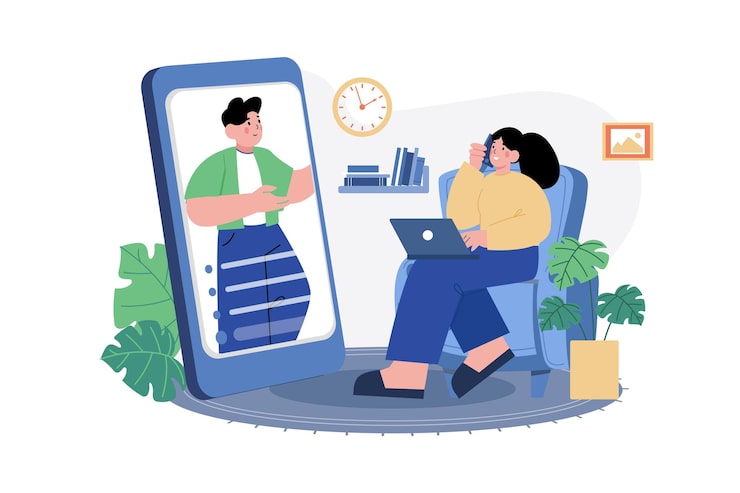
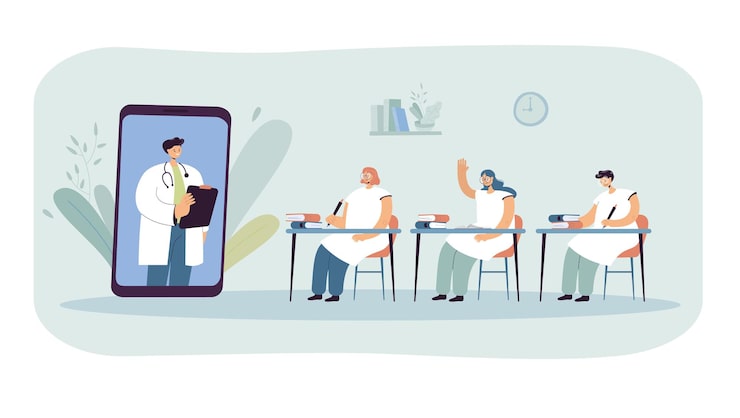
A student in a smaller town now has the same access to a good counsellor as someone in Bangalore or Delhi. That shift is recent and significant.
What online guidance makes practically possible:
A genuinely personalised online session is more useful than a generic in-person one. The quality depends entirely on the counsellor, not the format.
India's first platform built only for student career and mental health support. Not a coaching centre. Not a job portal. Real counselors. One on one. Fully online.
Built around how the Indian education system actually works. The streams. The entrance exams. The college options at every rank and every budget. The family dynamics that surround every student's decision in this country.
Students from Class 9 through college use it for stream selection, entrance strategy, college choices, and figuring out what comes after graduation. Every session is built around the specific student. Not recycled advice. Not a script. A real conversation that goes somewhere because it's actually about your situation.
Mental health support sits alongside career guidance on the platform. Career confusion and anxiety are connected for most students, and both are addressed in the same place.
Parents are welcome in sessions. When a family conversation has been going in circles for months, a counsellor in the room changes the dynamic completely.
Stop waiting for the confusion to sort itself out. Book a session on Mentrovert. Show up with whatever you're carrying. That's what the sessions exist for.
Class 8 or 9, honestly. Earlier thinking means better subject choices and more time to prepare before the big decisions land in classes 10 and 12 back-to-back.
Look at what subjects genuinely hold your attention and what kind of work you imagine doing. Marks are one input, not the whole answer. A counsellor makes this specific to you rather than general.
No. Students with a rough direction use it to sharpen the plan and catch gaps before they become problems. Feeling fairly certain and having a properly thought-through plan are different things.
At the major decision points, at a minimum. Stream after 10th. Course and college after 12th. Direction decisions during college. These are the three moments when proper support most clearly changes outcomes.
Yes. Good counsellors work with both the practical decisions and the anxiety surrounding them. Reducing confusion about the future directly reduces one of the biggest sources of student stress.
Normal and manageable. A counsellor helps you understand how existing skills transfer and what the realistic path looks like from wherever you currently are, rather than treating it like starting from zero.



.jpg)

.jpg)



.jpg)
.jpg)



.jpg)