

When Class 10 or Class 12 students arrive, most still cannot answer a basic question properly.
What am I actually good at?
Not what subject they scored highest in. Not what their parents want. Not what their friends are choosing. What they are actually good at. And what kind of work would they genuinely want to show up for every morning?
This question does not answer itself. Schools do not have time for it. Coaching centres do not care about it. Most families do not know how to approach it properly. That is exactly where career guidance steps in.
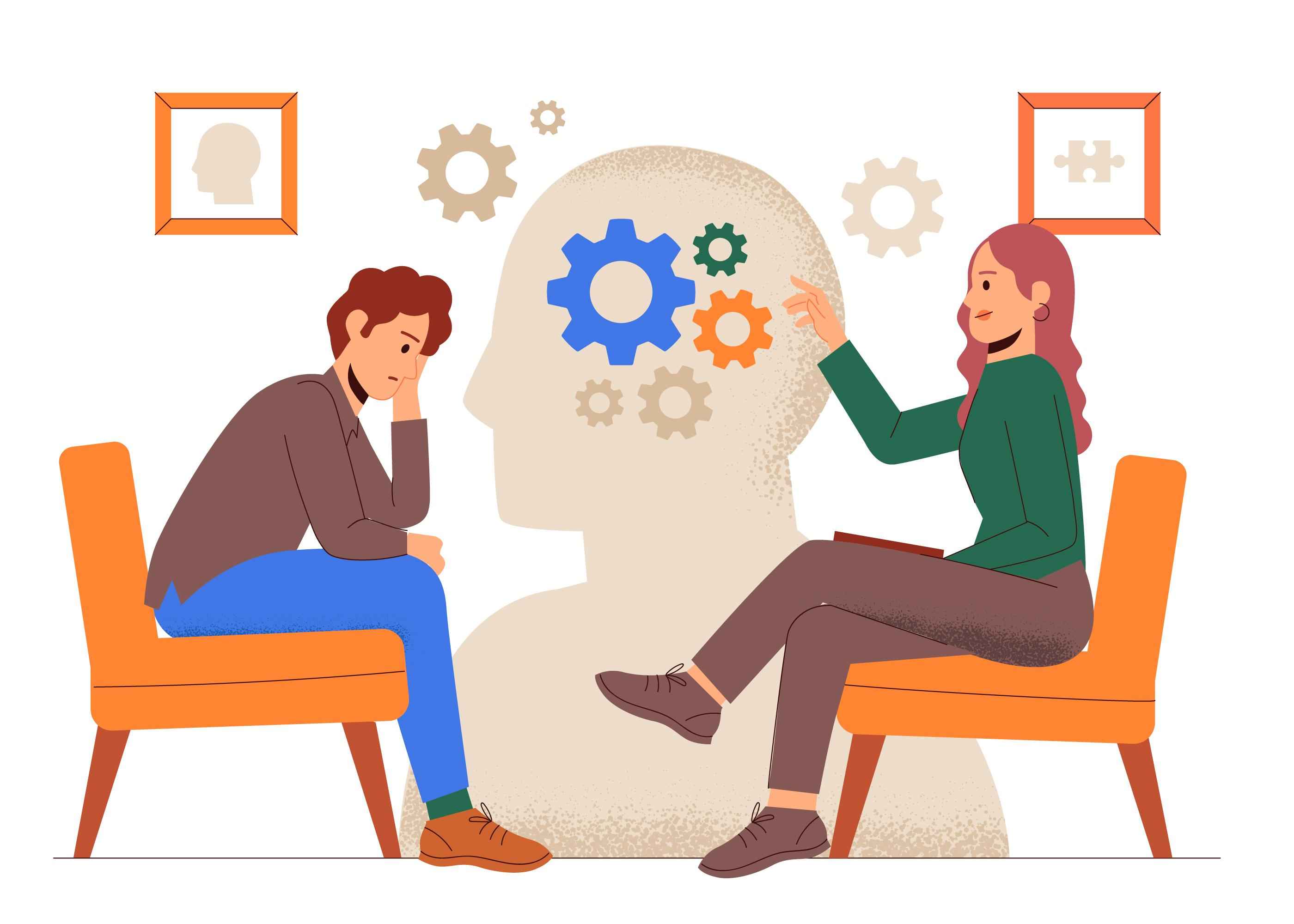
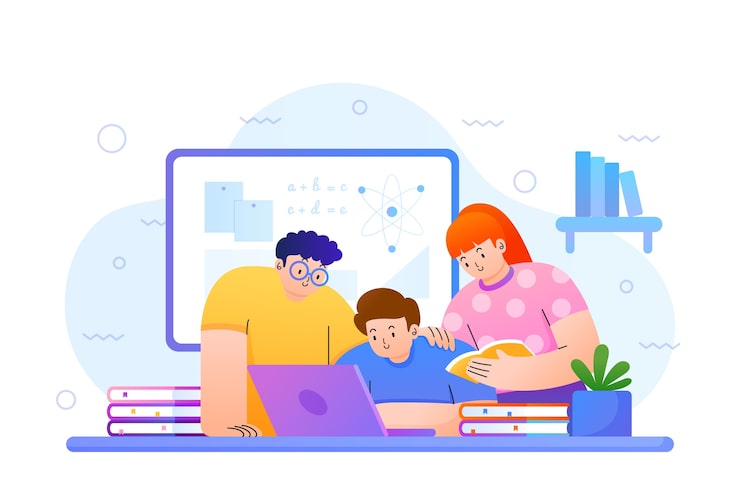
Career guidance is when someone who actually knows how to do this sits with a student, digs into what they are genuinely good at and what holds their interest, and then shows which real careers connect to those two things together.
Nobody hands the student a list and says, 'Pick one.' The whole point is to help them figure out their own direction, with actual information backing it up.
When career guidance is missing, most students end up deciding based on the following:
None of these approaches consistently produces good outcomes. Career guidance for students replaces that random process with something actually structured and useful.
It sounds strange, but this happens to many students.
A student can spend twelve years in school and still not know what they are genuinely good at. Here is why.
School measures marks, not strengths. A student scores 85 in English and 70 in maths, and everyone decides they are an English person. But that 85 might mean they had a teacher who explained things well that year. Or maybe they actually enjoyed that subject more in that particular class. Marks and strengths are not the same thing.
Actual strengths show up in how a person thinks through problems, what kind of challenges they will happily sit with for hours, what environments make them do their best work, and what they get so absorbed in that they forget to check the time.
Career guidance uses proper, structured tools to surface all of this rather than just telling the student to figure it out on their own.
A proper career guidance process starts with assessments designed for this purpose. They measure how the student thinks, their natural aptitudes, their personality, and which work settings suit them best.
What comes back from these assessments regularly surprises students. Strengths show up in places they had completely overlooked or never thought to explore.
Career guidance for students also maps what the student genuinely enjoys. Not what sounds impressive. Not what they think they should like. What actually holds their attention and gives them energy.
Those genuine interests then get connected to actual careers. A student who is constantly curious about why people think and behave the way they do might find that maps to things like the following:
On their own, that student would almost certainly never connect those dots.
Once strengths and interests are clear, the next step is to match them to actual careers, using real information on scope, realistic salary expectations, and where that field tends to go over time.
The student whose family had already decided that science was the path because physics marks were decent might find, through this process, that logical thinking and communication are where they are actually strongest. That law or data analytics would suit them far better than anything in the science stream.
After Class 12, honestly, getting the right guidance matters the most.
Course, college, entrance exam – all of these decisions made right after Class 12 set the direction for the next ten years, at minimum. A wrong choice here means three to four years studying something that does not connect to any genuine strength or interest.
Most students approach this decision with a very short list in their heads. Career guidance after 12th pulls that list wide open and gets the student to a decision they genuinely understand, rather than one they were just pushed into.
Career guidance does not only belong in Class 12. Every stage has something to gain from it.
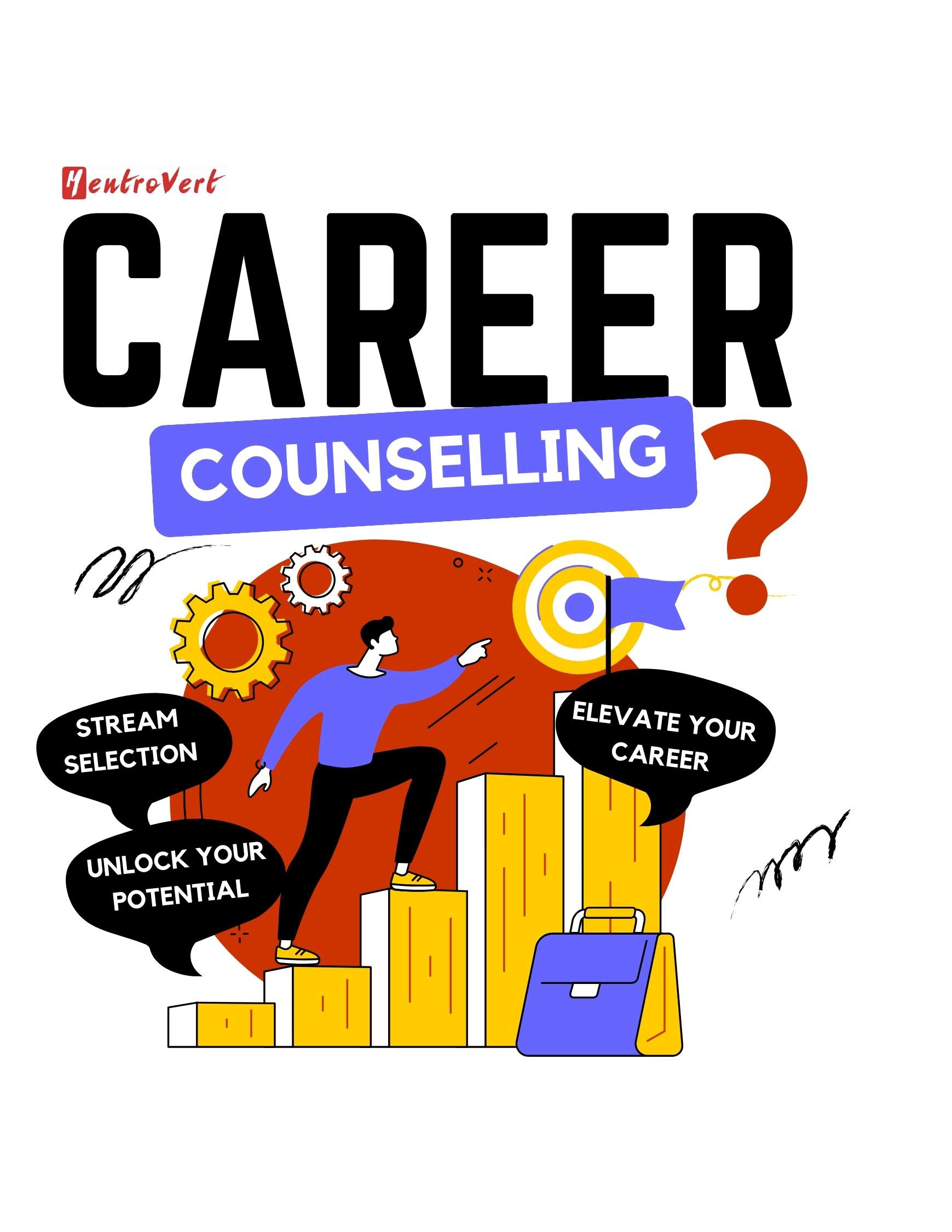
Stream selection decisions are forming at this stage.
What career guidance does at this stage:
Stream is chosen. Now, the question is: what comes next?
What career guidance does here:
Many students finish their degree feeling just as uncertain as before. Career guidance here helps with:
Getting good career guidance used to mean living in a metro city and affording expensive sessions. That left a real gap between students in larger cities and students in smaller towns.
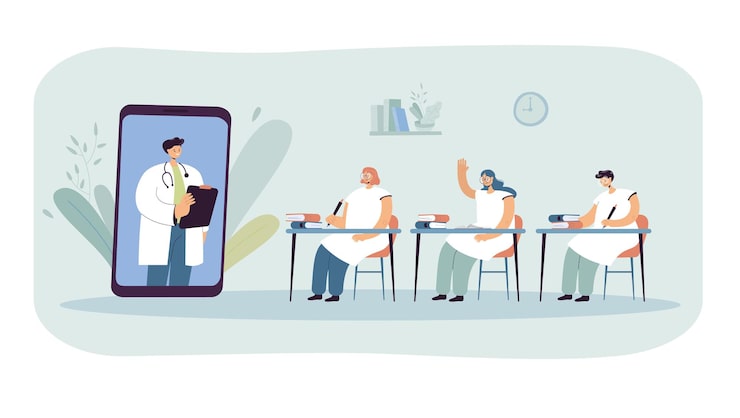
Online career guidance has changed this.
Benefits of online career guidance:
Online career guidance is available to students across India, is budget-friendly, and lets them access it without leaving home. A student in Nagpur, Kochi, Jaipur, or Bhubaneswar gets the same quality of guidance as a student in any major city.
Without career guidance for students, the same mistakes keep showing up:
Every one of these mistakes costs time and sometimes money to recover from. Career guidance stops most of them before they happen.
Honestly, even one of these is enough reason to get proper guidance now rather than carrying the confusion into the bigger decisions that are coming.
If your child is at any of the stages described in this blog and genuinely needs proper career guidance, Mentrovert is worth considering.
Mentrovert is a career guidance platform built specifically for Indian students. It covers stream selection, course and college decisions, career exploration, and direction-finding at every stage of a student's academic journey.
What makes Mentrovert different:
Whether your child needs career guidance after 12th, help picking a stream, or wants to know what options actually exist for their situation, Mentrovert provides it without any agenda behind the advice.
Career guidance helps a student work out what they are actually good at and what genuinely interests them, then shows which real careers connect to those things. Less random decision-making, more real direction.
Classes 9 and 10 are ideal before stream selection. But career guidance after 12th, during graduation, and even after graduation are all genuinely useful. No stage is too late.
The process works the same way. Online career guidance is available to students across India, is budget-friendly, and doesn't require anyone to travel to access it.
No direction is exactly when career guidance is most valuable. It first highlights what the student is good at, then shows which careers align with their strengths.
Teachers and parents advise from personal experience and familiar options. Career guidance uses appropriate assessment tools and up-to-date career information to provide unbiased, personalised guidance.








.jpg)

.jpg)






.jpg)
.jpg)




.jpg)