
.jpg)
Here is something colleges will never put in their brochures. A genuinely large number of students sitting in third-year lectures have no real idea what they are doing after graduation. Not a vague idea. No idea.
And the weird part is that everyone looks fine from the outside. People are attending class, submitting assignments, and posting internship updates on LinkedIn. But privately? Chaos. Quiet, ongoing, low-level chaos about what comes next.
Career counselling is not a crisis service. You do not need to be completely falling apart to use it. It is a structured way to figure out direction before the confusion starts costing you actual opportunities.
At twenty years old, you are expected to pick between CAT, GATE, GRE, UPSC, campus placements, startups, and further specialisations. Each of those has different prep timelines. Different costs. Different what-your-life-looks-like-in-five-years outcomes.
Your parents advise on a job market that existed twenty years ago. Friends are guessing just as much as you are, but saying it more confidently. Relatives recommend whatever their own kid did. None of that is actually useful.
Nobody in school or college sat you down and said, 'Here is how to actually think through a career decision.' Here are the questions to ask. Here is how to figure out if something suits you specifically. That skill was just never taught.
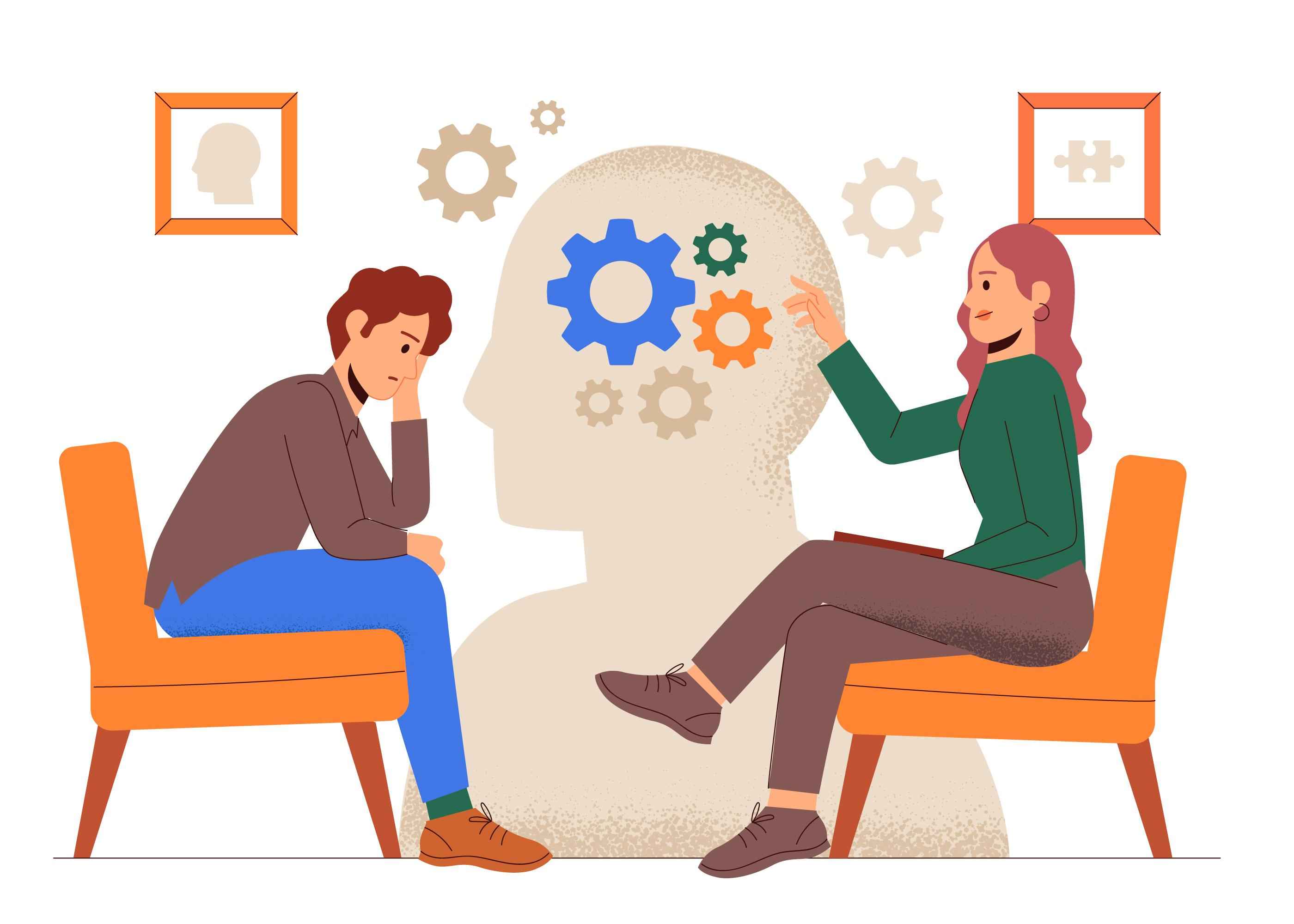
A career counsellor is trained specifically for this. Not to hand you answers. To give you a way of thinking through it that actually works.
Students who have never tried it picture something stiff. Someone is scanning your marksheet and printing out a list of recommended careers. That is not it at all.
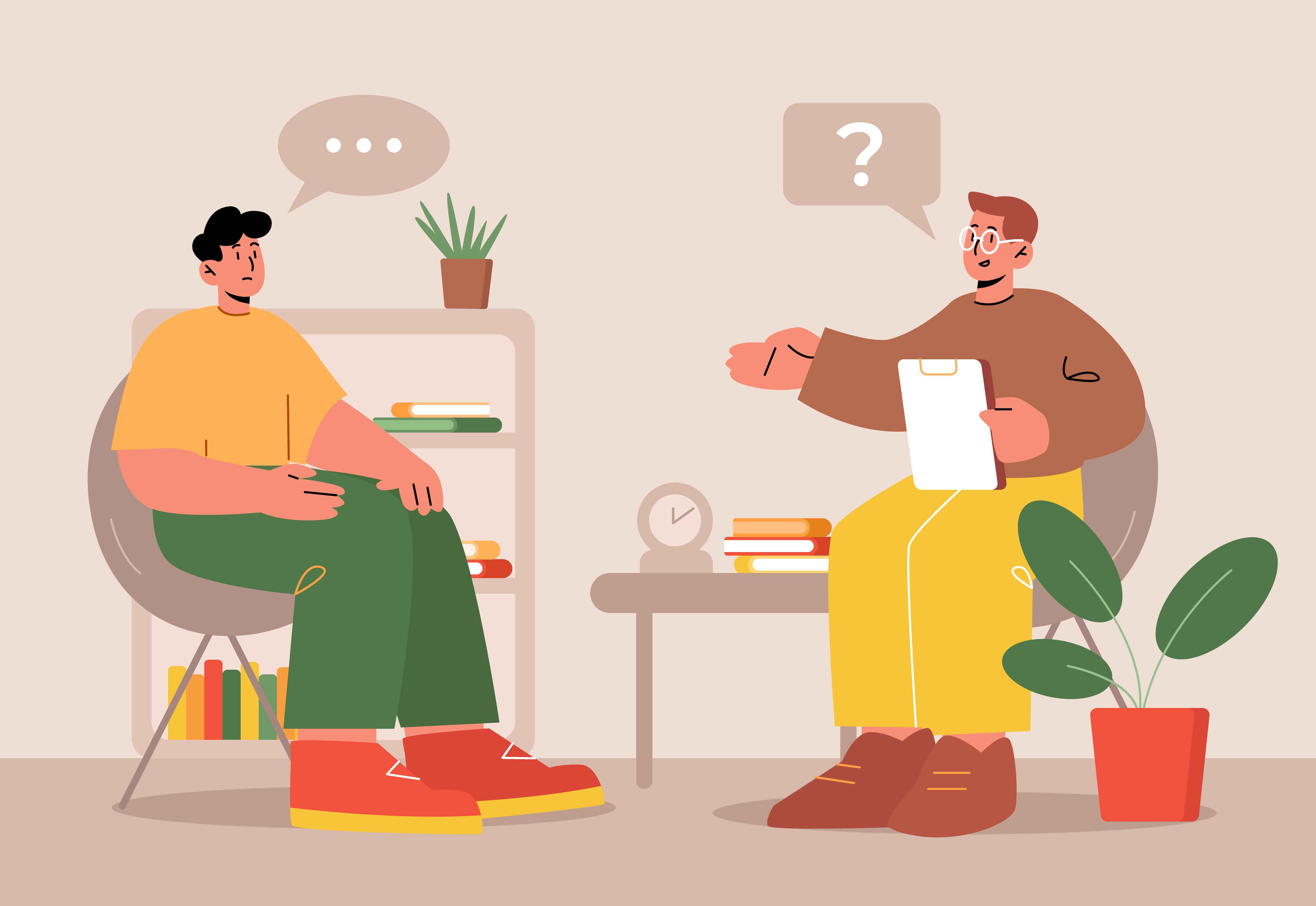
The first twenty minutes are just talking. What course are you doing, what parts of it do you actually like, and what have you been half thinking about for the future, even if it sounds unrealistic? The counsellor is not judging any of it. They are building a picture.
Then the conversation shifts. Options come up that actually connect to what you said. Some are familiar, some are genuinely new. Then practical stuff. What does each path require from you? What timelines look like. What you would need to start doing now versus later.
One properly done session moves you further than six months of just googling alone. Genuinely.
Not one single type of problem brings students to career counselling.
Some students are studying the completely wrong course and wondering if switching is still possible without losing a year. Some are fine with the course but are stuck between three specialisations. Some have too many options and cannot commit to anything. Some know exactly what they want but cannot get their family to stop pushing something else.
All different problems. All the same root cause. No structured support for making this kind of decision.
The third year arrives, and suddenly the whole batch is preparing for something. CAT coaching. GATE mock tests. UPSC prelims. GRE vocabulary lists. And somewhere in all that activity, you are trying to figure out which of these is actually meant for you.
Without guidance, students split their preparation across two or three options without fully committing to any one. CAT on weekdays, GATE on weekends, and job applications in between. Then the exam results come, and all three are disappointing because the preparation was never complete.
A counsellor helps you pick the path that actually fits your strengths and work backwards from exam dates into a real preparation structure. That kind of thinking is hard alone at twenty. Easier with someone who has seen fifty students make the same decision.
A lot of undergrad stress is not internal confusion. It is the same argument with parents repeating itself every few weeks.
You want one thing. They want something safer, more familiar, more like what their generation considers successful. The conversation at home goes nowhere. It gets louder sometimes. Gets avoided other times. Either way, nothing actually moves.
Bringing a counsellor into that conversation changes something. Not because the counsellor takes your side. Because a neutral, informed person presenting the same information lands differently than you saying the same thing for the fourth time.
Parents who would not budge in kitchen-table arguments have changed their position after one counselling session. It happens more than you would expect.
Low-level dread about the future is something many undergrads carry around without fully naming it. Waking up and not feeling great about the day, struggling to concentrate, and feeling behind even when you are technically keeping up.
A lot of that connects directly to the lack of direction. When you do not know where you are going, it is hard to feel good about where you are now.
Getting career clarity does not solve every mental health problem. But it removes one constant source of background stress. Students who come out of counselling with an actual plan often say it feels like something has been lifted physically. That is not dramatic. The uncertainty was just heavy.
If reading this felt familiar, that is the point.
Mentrovert is India's first platform built only for student career and mental health support. Not a coaching centre. Not a job portal. Actual one-on-one sessions with counsellors who know the Indian education system inside out. The exams, the colleges, the job market, what families are like, what the pressure feels like.
Every session is built around you specifically. Your course, your goals, your situation, your family context. Not a script. Not generic advice. A real conversation that goes somewhere useful.
Fully online. Works from anywhere in India. Parents can be part of the conversation when that helps.
Stop waiting for the confusion to fix itself. It does not do that. Book a session on Mentrovert and come with whatever mess of thoughts you have been carrying. That is exactly what the sessions are for.
No. Students with a rough direction use it to sharpen plans and spot gaps before things get urgent. You do not need to be in crisis for it to be useful.
The first year is ideal. But the second- and third-year work just as well. Earlier means more time to act on whatever direction emerges from it.
Yes. They look at your goals, finances, strengths and options together and help you think through what actually makes sense for your specific life right now.
A counsellor can sit with both sides and have that conversation in a structured way. A neutral, informed voice often gets through where the student arguing the same point alone could not.
Yes, when the session is genuinely personalised. Most students open up more easily in their own space than when sitting across a desk from a stranger.









.jpg)


.jpg)







.jpg)
.jpg)