
You know that moment when your child is sitting at the dinner table, quiet, staring at the plate, and you ask, 'Beta, what do you want to do after 12th?' and they shrug?
That shrug. That is what keeps parents up at night.
We live in a country where a child's career is practically a family project. Relatives have opinions. Teachers have opinions. The neighbours have opinions. Everyone talks, but nobody actually sits with the child and helps them figure out what they want.
That is where the importance of career counselling comes in. Not as a fancy service. Not just for struggling students. But as something every child going through grades 9 to 12 genuinely deserves.
We put together this list for parents who feel something is off but cannot quite name it. Read through. See if any of this sounds like your home.
And not in a casual way. In a blank, nothing-behind-the-eyes way.
There is a difference between a child who says 'I don't know' and then goes and researches, and a child who says 'I don't know' and then goes back to scrolling Instagram. The second one is the one we should be worried about.
By the time a student is in class 10 or 11, they should have at least some flicker of interest somewhere. Gaming, animals, numbers, people, machines, anything. If there is genuinely nothing, it usually means the right person has never asked them the right questions.
Why career counselling is important in this exact situation is that a trained counsellor knows how to pull that out. They do not hand over a brochure. They ask, probe, and listen. And slowly, the student begins to discover things about themselves they never even thought about.
One good session can do more than three years of relatives saying, 'Become a doctor or engineer.'
Rahul took science. So your child wants science, too.
Pooja is doing commerce. Suddenly, your child thinks commerce sounds interesting.
This is not ambition. This is social following. And it is one of the most common reasons students end up miserable in the wrong stream two years later.
The problem is not the child. The problem is that nobody helped them figure out what they are naturally good at before that decision was made. An aptitude assessment done before stream selection can change everything. But most students never get one.
Career counselling is exactly that intervention. It shows a student, in black and white, where their strengths actually lie. After that, they have something real to stand on when making a choice. Not just copying their friends.
Boredom is coming, and your child has stopped sleeping properly. Or eating properly and or talking to you.
Some stress before exams is expected, yes. But what we are talking about is different. The kind of anxiety where a child genuinely believes their entire life depends on one paper. The kind where they sit at the desk for three hours, but nothing goes in.
That level of panic almost always comes from one root cause: they have no idea what they are working towards. When there is no vision, every exam feels like the end of the world.
The importance of career counselling is that it removes that rootlessness. When a student has a clear goal, even a rough one, they study with purpose. The anxiety does not disappear, but it becomes manageable. They are running towards something instead of just running scared.
And a good counsellor also addresses the emotional side directly. Not just the career map but the mental state too.
Your child has been drawing since age five. Or they spend every weekend building things. Or they have a YouTube channel with actual subscribers.
But when you talk about careers, none of that comes up. Why? Because somewhere along the way, they got the message that these things are hobbies, not futures.
That is a lie India has been telling its students for decades.
Design, animation, content creation, game development, architecture, fashion, and music production – these are real careers with real money and real demand in 2025 and beyond. But students do not know this because no one showed them the path.
Why career counselling is important is that a counsellor breaks that wall. They show the student that their sketching can lead to UX design. Their love of gadgets can lead to the development of embedded systems. Their people skills can lead to HR or psychology. It is about connecting what already exists in the child to what is actually possible out there.
We have seen this so many times. The child wants to study literature, psychology, or sports management. The family wants CA or engineering. The child quietly lets go of their own dream.
Nobody fights. Nobody talks about it. The child adjusts. And three years later, they are sitting in a course they hate, performing below their potential, wondering how they got here.
This pattern is more common in Indian families than we want to admit. The pressure is real. The love behind it is real, too. But the outcome is painful for everyone.
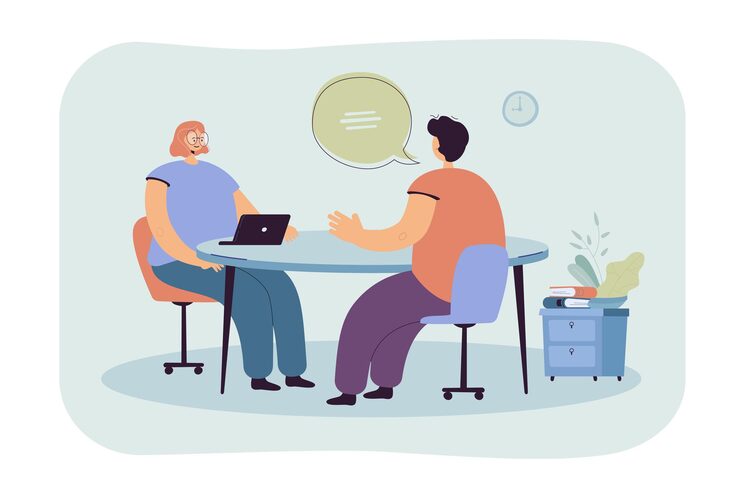
Career counselling creates a space where the student can actually say what they want without it turning into an argument. The counsellor then helps the family understand the student's perspective using data, assessments, and career research. It becomes less of a fight and more of a conversation.
The importance of career counselling in such cases is that it gives the child a voice and a reason for the parent to listen.
The child was doing fine in class 9. By class 11, the marks have fallen badly. Teachers say they are not paying attention. Parents say they are not studying. The child says nothing.
Before you book extra tuitions, pause and ask a different question. Is the child in the right stream at all?
A lot of academic decline in Indian high schools is not about intelligence or laziness. It is about a mismatch. The student is studying something that does not connect with how their brain works or what they care about. They are not lazy. They are just disengaged.
This is where career counselling steps in with something practical.
This is the most typical and the most neglected.
Think about it honestly. Have you ever sat your child down with a career guidance-trained person – not a teacher, not a family member, not a family acquaintance in the IT business, but a career counsellor – and discussed the career issue with them in a proper manner?
For the majority of students in India, it is no. They get advice. They get pressure. They get comparisons. But they hardly have a decent, well-organised, objective discussion over what they are and where they can go.
The importance of career counselling can be explained: each child must have at least one adult in their life whose attention is completely devoted to the child's development, without references to expectations, status, or anything that worked well with another person fifteen years ago. A counsellor is that person.
A single real-life conversation at the right moment could change a student's life. That is not an exaggeration.
We started Mentrovert because we kept seeing the same story play out. Bright students. Confused families. Decisions made in a hurry. Regret that came slowly, then all at once.
Mentrovert is India's first platform built only for student career and mental health counselling. We work specifically with students in grades 9 to 12 because that is the window. That is when the right conversation makes the biggest difference.
We also work with parents separately because they are part of this journey too. Understanding what your child is going through, especially during boards and competitive exam seasons, is something we help with directly.
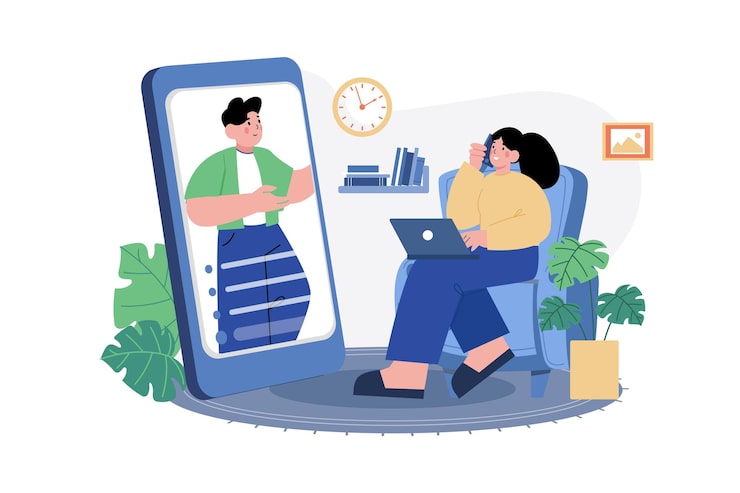
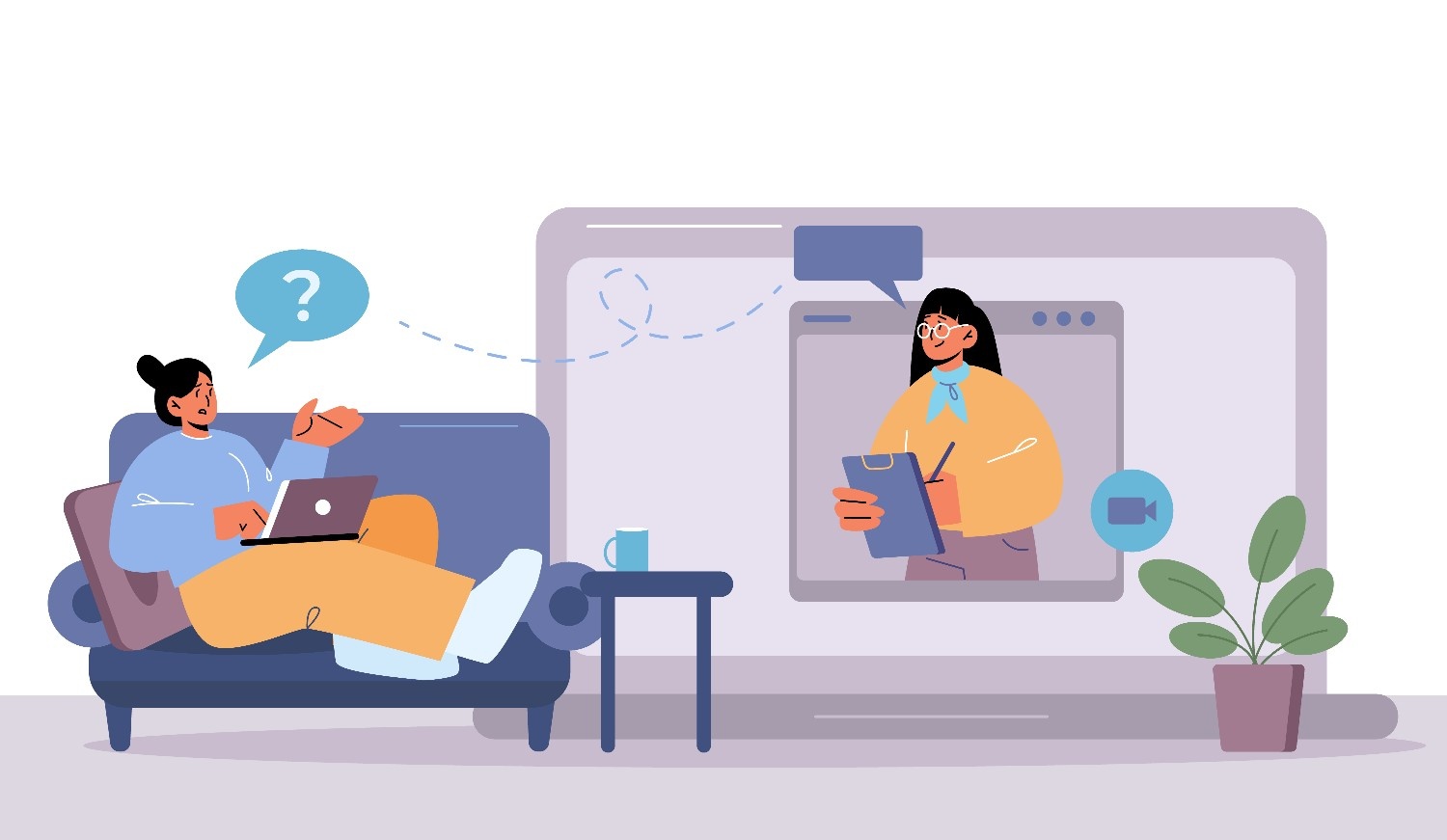
We are 100% online and therefore students in any part of India can reach us: there is no need to travel, no embarrassing waiting bays, just have a nice chat wherever they feel more at ease.
At Mentrovert, our belief is simple: no student should have to figure out their future alone, and no parent should have to watch their child struggle without knowing where to turn.
Reach out today. Book one session and see the difference a real conversation makes.
Absolutely yes. Toppers usually undergo the most pressure in making a wrong career choice in favour of a prestigious career. Counselling helps them make smart rather than safe decisions.
The counsellor discusses with the student, conducts some tests, charts their interests and capabilities, and constructs a custom stream, college, and career plan.
Yes. An effective counsellor counters the career confusion and the emotional stress that caused it. There is mainly no relationship in which the two are not linked.
Yes, completely. Internet classes are no less personal or effective and are much more accessible to students in cities, towns, and small towns across India.
Begin with a light introduction session. The majority of the students relax soon after they understand that the counsellor has not come to judge them or to side with their parents.





.jpg)

.jpg)





.jpg)
.jpg)




.jpg)