

Nobody really prepares you for what happens after Class 12 results.
You've spent years with one goal: to pass, score well, and get through boards. And then one day it's over, and suddenly everyone around you has a question you don't have an answer to. So what next? Your relatives ask it at every family gathering. Your parents have been quietly worrying about it for months. Your friends all seem to have figured something out, or at least they're pretending they have.
And you're sitting there genuinely unsure.
That's not a character flaw. That's just what happens when nobody ever gave you the tools to think about this properly. The Indian school system is exceptional at teaching you how to study. It's not so great at helping you figure out what to study and, more importantly, why.
That's the gap in career counselling after 12th grade. Not perfectly. Not magically. But meaningfully.
Because there's a lot of confusion around this.
Career counselling is not your school's "counsellor", who mostly handles discipline issues and occasionally tells students to work harder. It's not a website quiz that asks you five questions and declares you a natural-born architect. And it's definitely not your father's colleague at an MNC giving you gyaan about "market trends" over dinner.
Actual career guidance and counselling involve trained professionals who use psychometric assessments, aptitude tools, and structured one-on-one conversations to understand who you are, not who your marksheet says you are. They look at personality, interests, thinking patterns, and emotional strengths. Then they map all of that against real career paths, real courses, and real colleges.
The difference between getting this guidance and not getting it can be enormous. We're talking about the difference between spending four years studying something you actually connect with versus grinding through a degree you resent.
Mentrovert was built specifically because this gap exists and keeps being ignored. It's India's first platform that treats student career guidance and mental health as two sides of the same thing because they are. Students in grades 9 through 12 have direct access to certified counsellors for genuinely personalised sessions. Not a template. Not a package. An actual conversation built around your specific situation.
Here's something worth saying clearly: the reason so many students struggle after 12th is not that they're confused, immature, or "don't know what they want".
It's because the system never gave them a real chance to find out.
Think about your school years. Was there ever a class dedicated to exploring what you enjoy? A session where someone sat with you and asked – not about marks – but about what genuinely excites you? For most students, the answer is no. And then Class 12 ends, and suddenly you're expected to make a high-stakes decision with almost zero preparation for making it.
More than 300 career options exist in India alone. Most students can name about six.
The science student assumes it's IIT or NEET, full stop. The commerce student thinks the only real paths are CA or an MBA. Arts students are told, sometimes directly, sometimes through implication, that their options are limited. None of this is accurate. But without proper career counselling for students, these assumptions go unchallenged.
Then comes the pressure. Your best friend commits to engineering so suddenly that it seems like a safe bet. Your parents, who genuinely love you and want good things for you, grew up in a completely different job market and keep pushing you toward medicine or law because those fields felt solid back then. There's no malice in any of this. But the outcome is still students walking into courses they're not suited for and spending years wondering how they ended up there.
A good career counsellor changes that whole dynamic, not by telling you what to do by helping you actually understand what you're choosing and why.
Understanding the types of counselling available helps students and parents figure out what kind of support is actually needed.
This is usually where things begin. Not with a conversation but with structured assessments – tests that measure how you think, what naturally interests you, and where your strengths sit. The results aren't a pass or fail. They're a map. And for many students, this is genuinely the first time they've seen themselves described in a way that actually rings true.
Right after 12th, the most urgent question is usually: which course, which college, which entrance exam? This type of counselling helps students navigate that without just going with whatever everyone else is doing. B.Tech, MBBS, B.Com, BA, BFA, and integrated law programmes. There are hundreds of legitimate paths, and a counsellor helps you approach the shortlist rationally rather than emotionally.
This changed things significantly. Students in smaller cities, students with packed schedules, students who can't access quality guidance locally, career counselling online means none of that is a barrier anymore. Mentrovert is built entirely around this. A student in a small town in UP or a tier-3 city in Tamil Nadu gets the same quality of session as someone sitting in South Delhi. That wasn't possible five years ago.
Not every student wants or needs a traditional degree. Some already know they want to go into culinary arts, photography, fashion, or game design or build something of their own. These paths are entirely valid and deserve proper planning. A counsellor helps you build a real roadmap, rather than just winging it and hoping it works out.
Massively underused. Most students have no idea how many scholarships exist, how competitive college applications actually work, or how to present themselves properly. This counselling directly addresses that and can genuinely affect which institution you end up in.
Students avoid booking sessions sometimes because they imagine it'll be awkward or judgmental. It's really not.
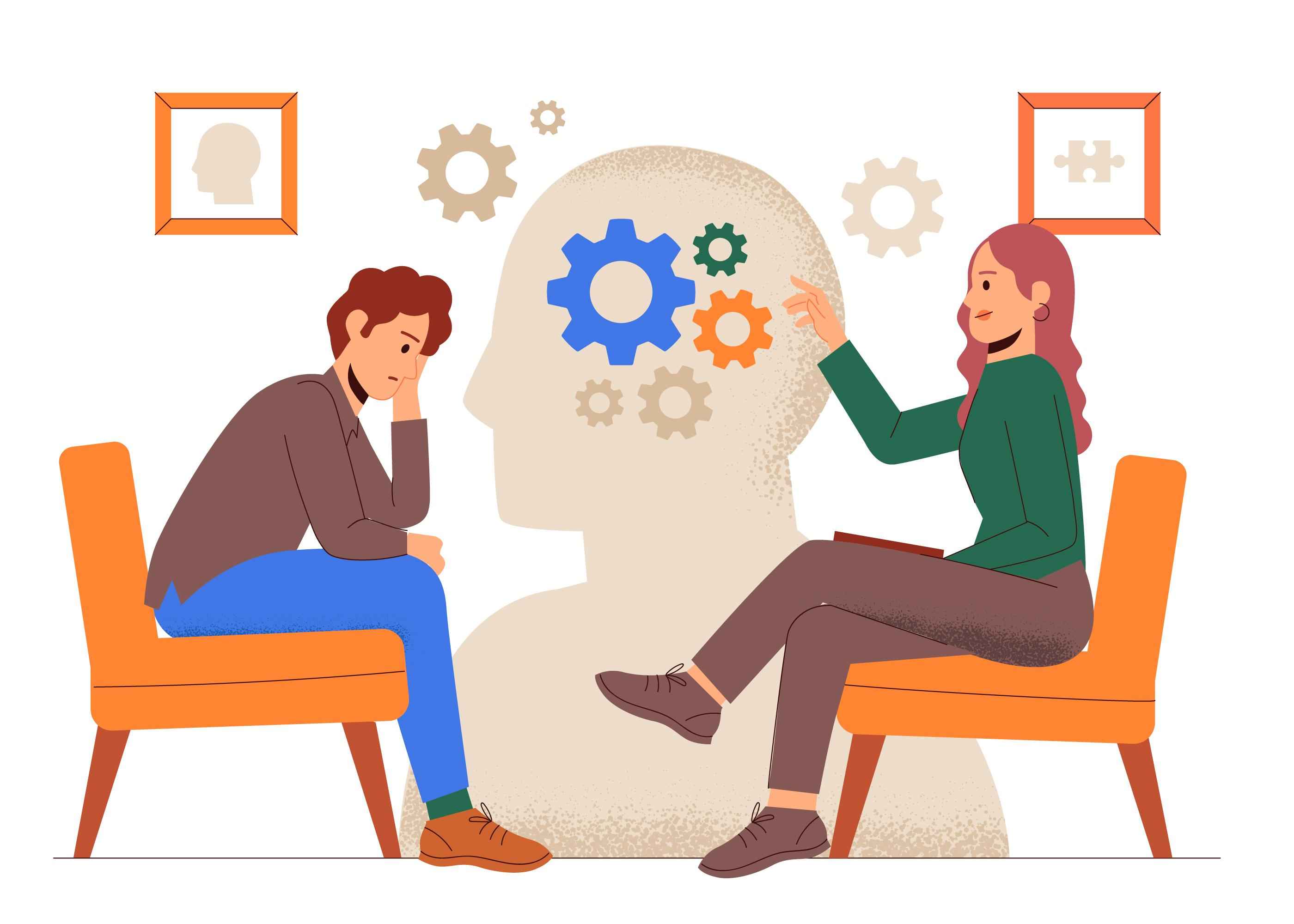
A career counselling session usually starts with an assessment of personality tools, aptitude checks, and interest mapping. You can't get it wrong. There are no right answers. The whole point is to get an honest picture of who you are.
After the assessment, your counsellor goes through the results with you, explaining what they suggest, what patterns showed up, and what surprised them. This is usually where students hear about careers they'd genuinely never considered. Not obscure ones for the sake of it real options with real futures that just weren't on anyone's radar at school.
Then comes a roadmap. Year by year, specific and practical – not "follow your passion" but actual steps. Which course in year one? Which certifications are worth adding? What internships matter. Where it realistically leads five years out.
At Mentrovert, every single session is built around the individual student because that's the only way it works. The counsellors have deep familiarity with the Indian education system and job market. And for students who can't afford paid sessions, free counselling is genuinely available. That's a deliberate decision Mentrovert has made because the need doesn't disappear just because a student can't pay for it.
There was a time when online meant lower quality. That time has passed.
A proper online career counselling session today covers everything an in-person one does. Assessments, video conversations, personalised roadmaps, and follow-up support. The technology is there. The trained counsellors are there. What's changed is access.
India has over 330 million students. The number of qualified career counsellors available is nowhere near what's needed, particularly outside major metros, where most students actually live. Online platforms don't just make things more convenient. For a huge portion of Indian students, they represent the first time quality guidance has been within reach at all.
Mentrovert's model is built around this reality. A student anywhere in India, regardless of city, background, or budget, should be able to access a real career counselling session with someone who knows what they're talking about. That's not a marketing line. It's genuinely what the platform was designed to do.
A few months after your Class 12 exams, you're going to choose a direction. That choice will shape an enormous chunk of your life, not forever, nothing is forever, but significantly.
Most students make it under pressure, with incomplete information, surrounded by noise from every direction.
You don't have to do it that way.
Career counselling after 12th won't hand you a perfect answer. Nothing will. But it gives you something real, a clear, honest understanding of who you are and what actually makes sense for you. Not what sounds impressive. Not what your neighbour's kid is doing. What fits you specifically?
That's what a Mentrovert is here for. And your first session is free. Which means the only thing standing between you and actual clarity is booking it.
It's having someone qualified actually help you figure out what you're good at and where that could take you – nothing to do with your marks, everything to do with you as a person.
For most students, yes. Same assessments, real conversations, no travel. If you're not in a big city, it's honestly your best shot at getting someone genuinely qualified.
Sooner than you think. Don't wait until after results, when you're already panicking; a few months before boards gives you actual time to think.
Psychometric and aptitude testing, stream and course guidance, vocational counselling for non-traditional paths, and scholarship support. What you need depends on where you are in the decision-making process.
Constantly comes up. Parents aren't usually being difficult; they don't know what careers look like now. A good counsellor brings both sides in and takes the heat out of what would otherwise be an exhausting conversation at home.

.jpg)