
The Class 10 Maths board exam is very close, and only ten days are left. At this time, it is normal to feel scared, tired, or confused. Many students feel that time is running very fast, and their minds feel heavy with pressure. This feeling is not strange. Almost every student in India feels this stress before board exams.
Maths often feels difficult, not because it is impossible, but because stress makes it look harder. The good news is that ten days are enough to revise, practise, and build confidence if you use this time correctly. You do not need to study everything again from the beginning. What you need is a smart, slow, and calm plan.
This blog will guide you step by step on what to do in the last ten days before the Class 10 Maths board exam so that you can enter the exam hall with confidence and a clear mind.
The 10 days to the exam are not to be used to learn new chapters. This would be a period of remembering what you have already learnt, practising our key questions and remaining calm. Most of the students fail to get the marks not because they did not know maths, but because they lose their heads, forget formulas or commit some small mistakes during the test.
Maths needs a calm brain. With a relaxed mind, one can think clearly, calculate correctly and answer questions methodically. That is the reason that mental support is as important as books at exam time. Students require insight and not stress at this point.
Learning platforms such as Mentrovert are aimed at assisting students in Classes 9-12 with career advice and mental health services. They are aware that board exams are a stressful and emotional stage. When a student is relaxed and supported, they will always perform better than when they are scared.
Take time to think before you start to revise. Ask yourself, what are the most frightening chapters of all, what chapters confuse you, what formula do you keep forgetting, etc.? These points should be written down on paper. Do not ignore them. Minor suspicions can seem harmless; however, gradually, they become fear.
A single uncertain move is enough to ruin confidence, waste time in the exam and cause panic. This is why suspicions must be cleared. You may discuss it with your teacher, senior, mentor or counsellor. All students require some guidance, even when taking exams.
Mentrovert is of the opinion that the students require a blue ocean mentor or guide who can see what they are experiencing. Their counsellors assist the students to overcome the pressure caused by the exams and clear their minds when faced with pressure.
Do not read a lot of books in the past ten days. It is among the greatest mistakes that students commit. Replacing books several times brings confusion and even fear. Only one main book should be revised, and this is better: the NCERT textbook or the book that your school used during the year.
This is the book you have heard about. You have answered a lot of questions from it. It is natural for your brain. Naturally, confidence grows when you update an already known book.
Go chapter by chapter. Read the solved cases one by one. Answer questions that you have already practised. This assists your memory to be strong. Guidebooks and reference books should now be avoided. They can wait.
Surprising your brain is not the objective of the final ten days. Your brain is supposed to feel secure and confident.
You do not need to solve every question again in detail. Start with essential questions. These are the questions your teacher discussed in class, questions that came in previous year papers, questions seen in sample papers, and questions based on basic concepts.
Solve these questions correctly and write out complete steps while practising. Do not skip steps, even at home. In board exams, marks are given for steps, not just the final answer.
If you want a clearer idea of how marks are awarded and which areas need extra attention, you can also read this helpful guide on tips to score full marks in the Class 10 Mathematics exam. It explains common mistakes and scoring strategies in simple language.
Once you complete the important questions, you will start feeling more confident. Maths will begin to feel manageable, and this feeling is very important before an exam.
After finishing the important questions, look at the other questions in the chapter. You do not have to solve all of them. Just read them and see if you understand how to start.
If a question looks easy, move on. If it seems confusing, do not panic. This is normal. If you feel some questions are helpful, try solving them slowly. The purpose is not to master everything. The purpose is to remove fear.
When your mind sees different types of questions calmly, it becomes flexible and less scared.
Sample papers and previous year papers are very helpful in the last ten days. They help you understand the exam pattern, question level, time management, and marking style.
Solve one paper at a time. Sit properly and use a timer. Pretend it is the real exam. After solving, check your answers carefully. See where you lost marks and try to understand why.
Do not feel sad if your score is low during practice. Practice papers are not meant to judge you. They are meant to show your mistakes so you can improve before the final exam.
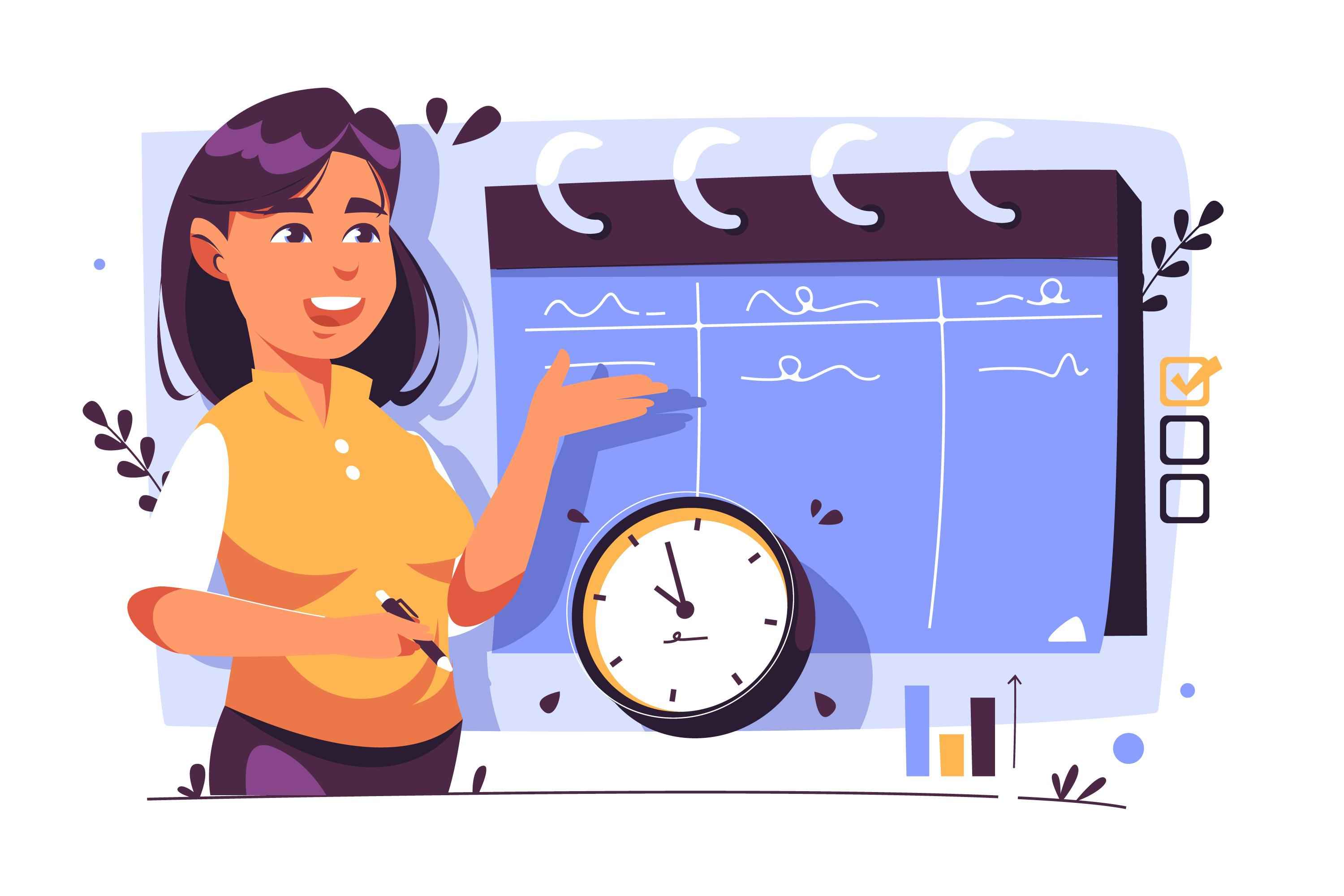
You can divide your last ten days in a simple way. Spend the first three days revising easy and scoring chapters. Clear doubts, revise formulas, and practise important questions. In the next three days, revise medium-level chapters and practise numerical questions along with previous year questions.
In the next two days, solve sample papers and focus on writing steps clearly and managing time. On the ninth day, do a light revision only. Go through the formulas and mistakes you made earlier. Do not study too much. On the final day, rest your mind, revise formulas once, and sleep well.
Studying and resting are both important during this time.
Many students chase better marks by studying endless hours, but this myth crumbles under reality. A tired, stressed mind falters—it forgets facts, panics during tests, and underperforms despite preparation. Board exams like CBSE or ICSE demand more than rote knowledge; they test mental resilience too.
School deadlines, family expectations, and self-doubt create a pressure cooker. Sleepless nights lead to burnout, anxiety spikes, and focus evaporates. Research from the American Psychological Association shows chronic stress shrinks the hippocampus, impairing memory. Without balance, even topper-level prep yields average results.
That's where emotional backing shines. Feeling heard reduces cortisol, sharpens concentration, and boosts confidence. Students with support think clearly, solve problems faster, and make fewer errors. Mentrovert steps in here, blending career guidance with expert mental health counseling tailored for board exam warriors. Their sessions unpack stress, build coping strategies, and reignite motivation—helping you thrive, not just survive.
Supported students report 20-30% better recall and calmer exam vibes (per student surveys). Imagine entering the hall relaxed, tackling tricky questions with poise. Mentrovert's holistic approach ensures you're exam-ready mentally and strategically.
Prioritize your mind—it's your biggest asset. Contact Mentrovert today for counseling sessions and personalized exam plans.
On the exam day, read the question paper slowly. Start with questions you find easy. Write steps clearly and neatly. If a question looks tough, skip it and come back later. Trust your preparation. You have worked hard throughout the year. These last ten days are only to organise what you already know.
Yes, ten days suffice provided that you concentrate on revision, important questions and sample papers rather than learning new subjects.
No, look at significant questions and refurbish ideas. It may incur stress by solving everything once again.
Yes, NCERT is highly crucial and must be your priority in the first instance.
It is sufficient to solve three to five sample papers with due checking.
Get to sleep, reread, don't panic, talk to someone you can trust, and get stressed otherwise.






.jpg)





.jpg)
.jpg)