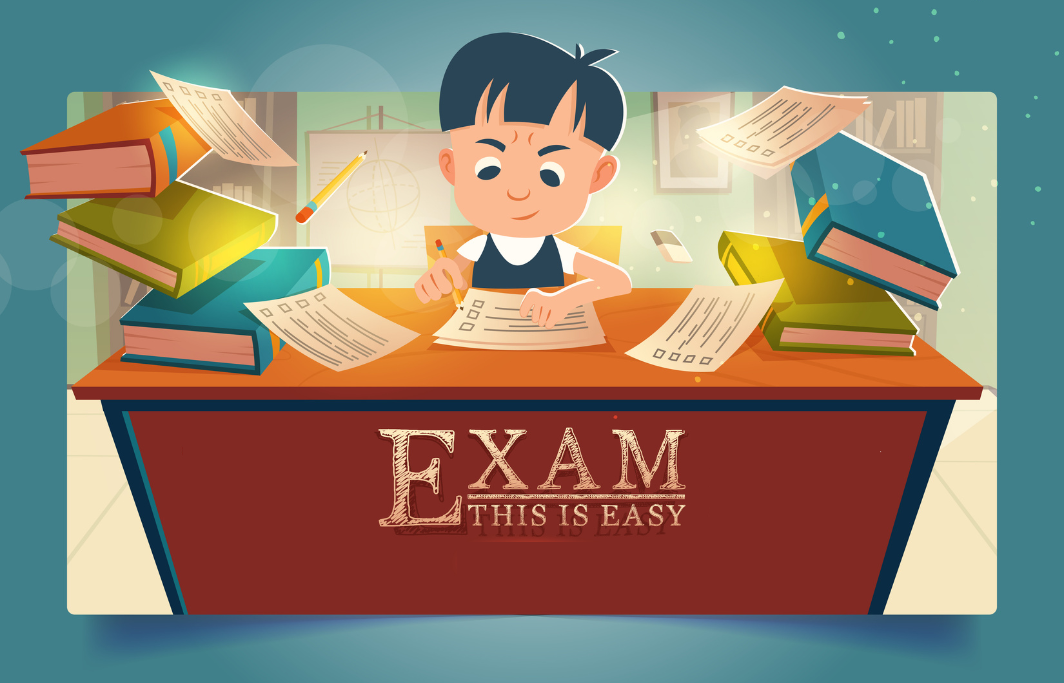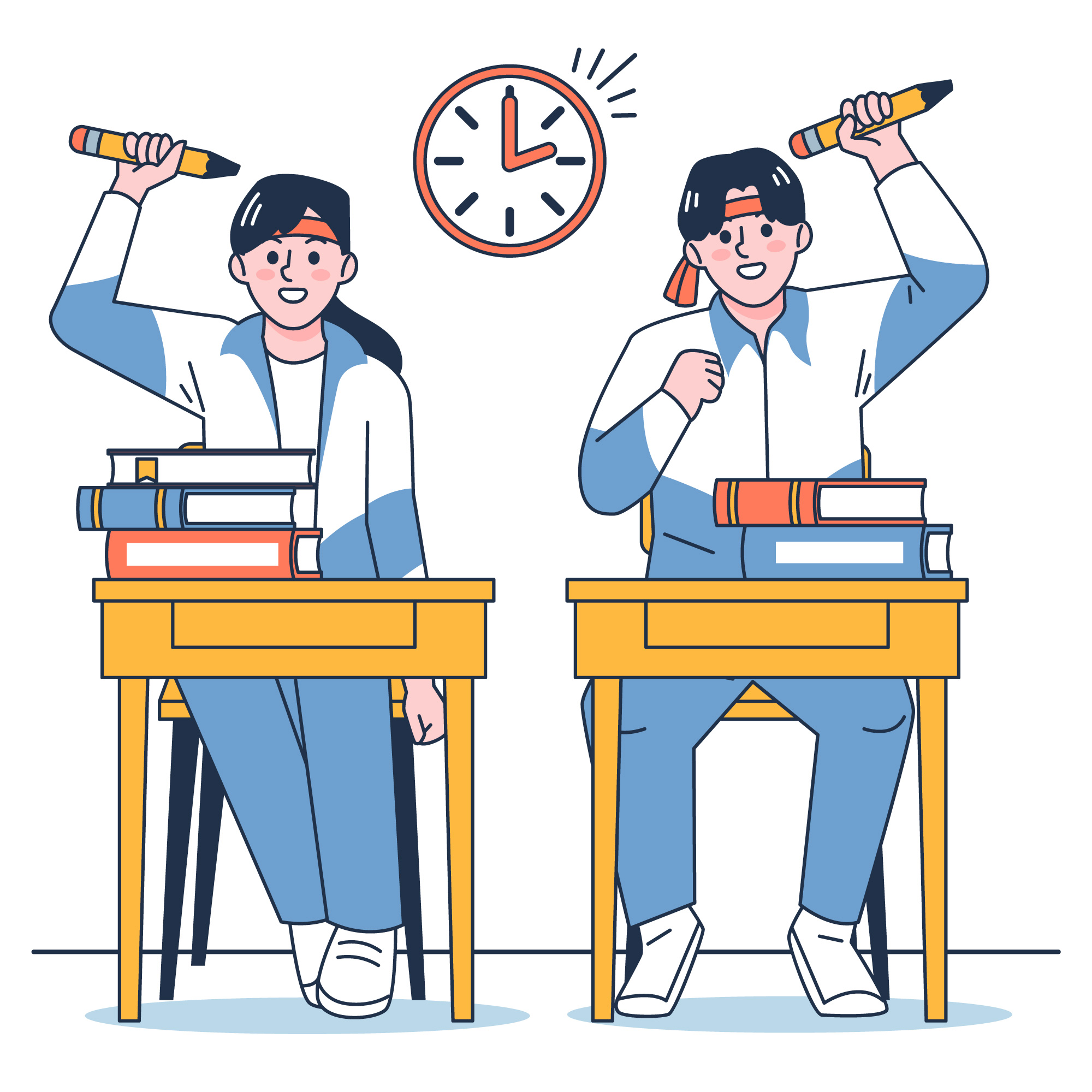

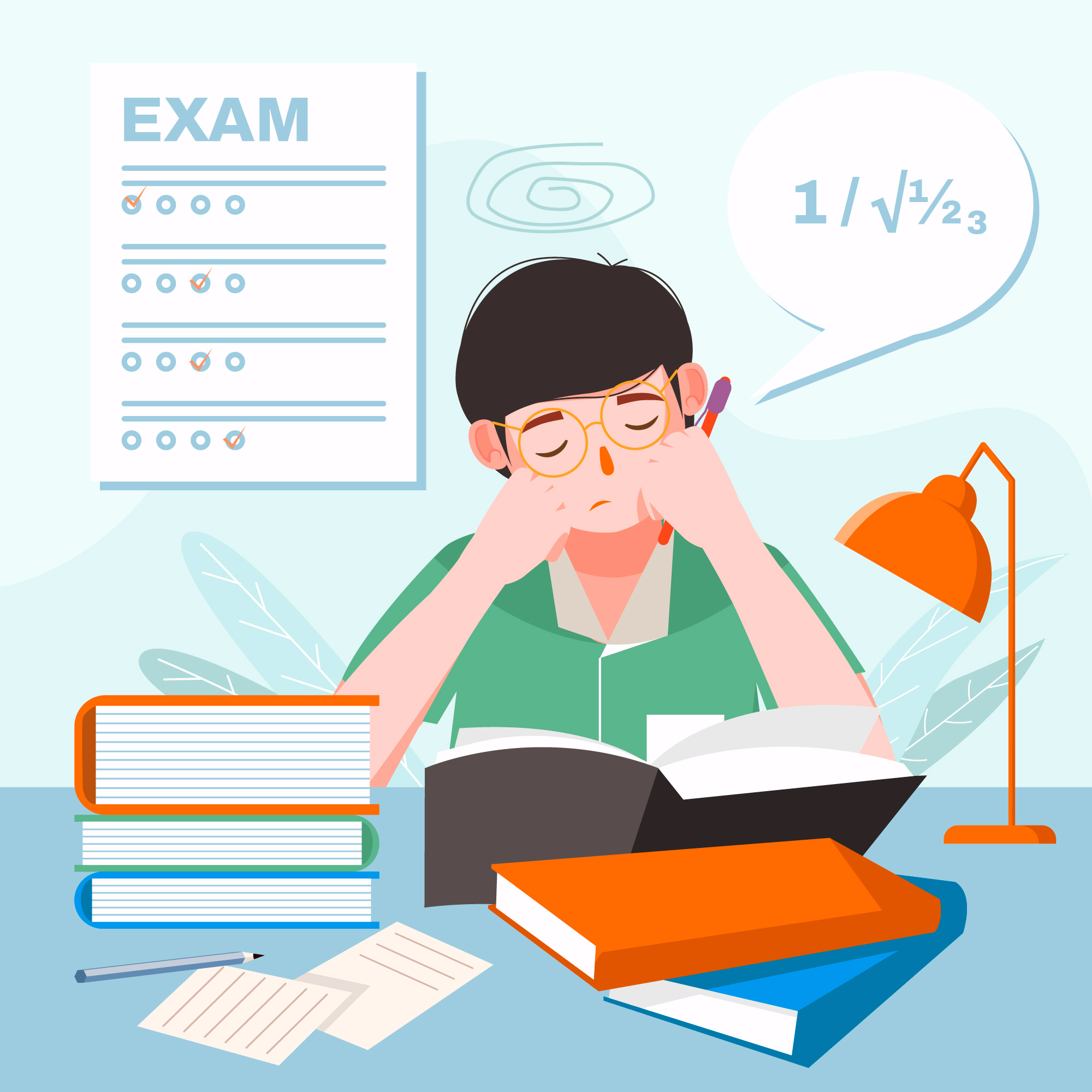
Preparing for your 10th Board Exam is one of the biggest academic steps you will take in school life. It is the first occasion you are sitting an exam to make it sound formal, structured and vital. Of course, you want to do your best. You can work so hard, make notes, and get to school, and even then, you may find yourself confused. And that’s completely normal. All students pass through this stage.
However, what most students do not understand is that it is not only about really working hard, but it is also about trying not to make the mistakes that slow you down. These mistakes may not look big at the outset, but they have an impact on your pace, self-esteem, and scores in a greater way than you believe. In knowing these mistakes in advance, you are able to prevent them and to plan more intelligently and methodically.
There are the most common mistakes that students make when they prepare for their 10th Board Exam, and we are going to discuss them and how they can be avoided.
Students usually assume that the more they study, the more marks they will earn. But that’s only partly true. Long hours of learning without a plan can bring you the gratification of working hard, but it will not produce results. Toppers do not study the entire day, but they study wisely, not indefinitely.
It is what you call strategy.
The first attempt at a structured national-level exam pattern is the 10th Board Exam. The way you study today prepares the foundation for future study in 11, 12, and so on. A good base at this stage would be easier in the future.
In this way, we shall look at the mistakes that stall the majority of students.
This mistake is extremely common. Most students procrastinate in their preparation since they still have a long way to go before the exam. They think:
However, all of a sudden, the exam schedule is announced, pre-boards start, and the truth sets in. When you are late at the start, you find it hard:
An early beginning gives you time to clear the air, to revise at ease and to establish a good understanding.
What you can do:
Start at the beginning of the academic year. Read a bit each day – 23 hours in the first place is sufficient. As the year goes by, you should study more. Such gradual development leaves you confident and less stressed during exams.
NCERT books seem too basic or even too simple to many students, and they jump to reference books. This is, however, one of the most significant mistakes you can commit in your preparation for the board exam. The question in the board exam is most often limited to NCERT concepts, examples, diagrams and solved exercises.
What you can do:
Use NCERT as your primary source. Read all the chapters, answer questions, grasp ideas, practise diagrams and revise frequently. After you are comfortable, then switch to reference books to practise more.
There are students who copy all the textbook information into their notebooks. Others do not write anything at all. The two approaches cause issues in the future.
When you are overly wordy, then you are a time waster. When you write nothing, you can write nothing to revise in a hurry.
Good notes are a summary of your own. They are time-saving, and they enable your brain to remember concepts at a faster rate. Write brief notes which contain:
These notes will ensure that you can revise whole chapters within a few minutes rather than hours when the exams are approaching.
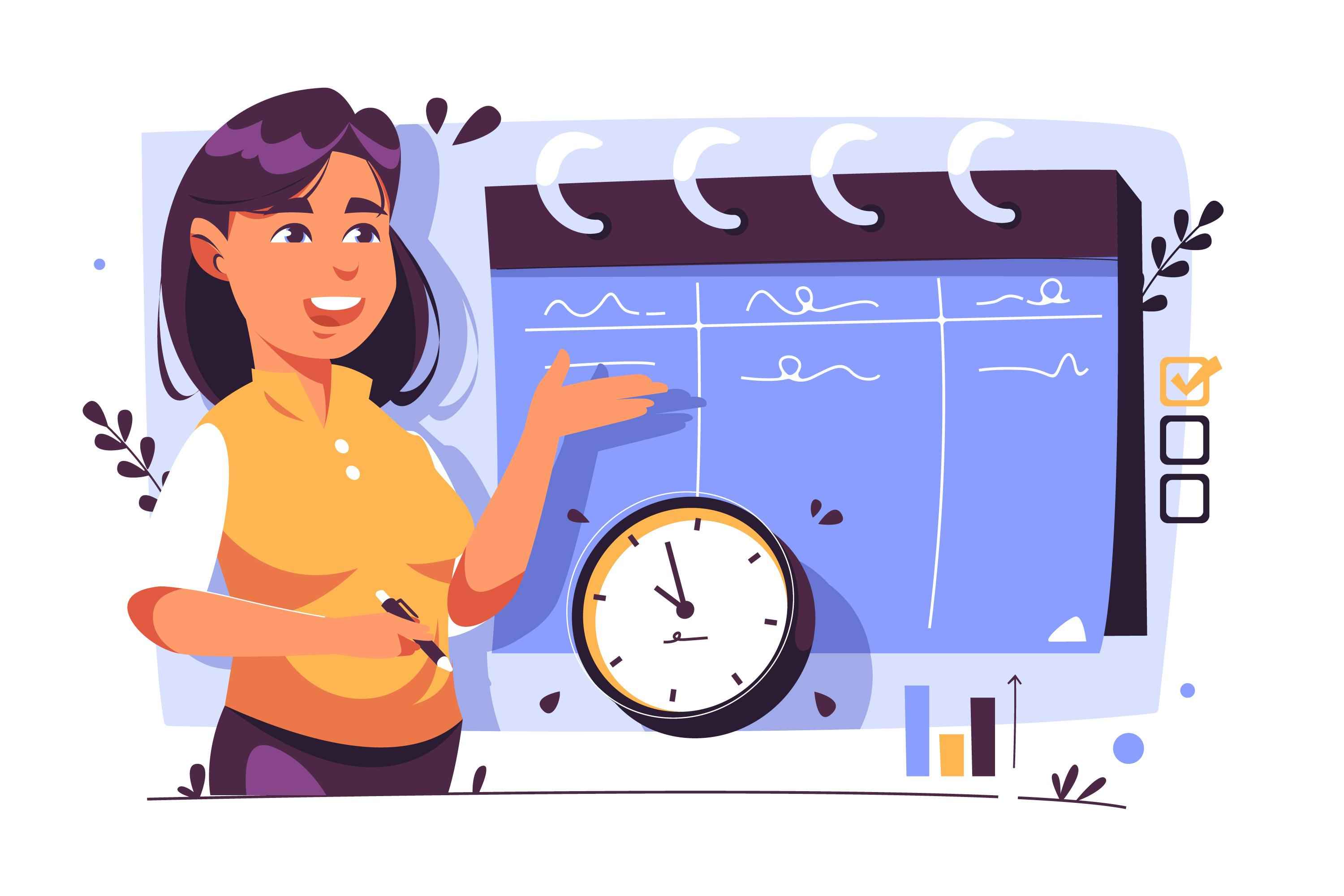
Learning without a schedule is going on a journey without a road. You are working, but you never know whether you are moving in the right direction. Most of the students learn by chance – Math today, then Social Science tomorrow, and no more.
Without a timetable, you may:
What you can do:
Make a simple timetable that includes:
Most importantly—stick to it. Even if your day goes off schedule, make sure you return to your timetable the next day.
Most students do not take past papers of the years they are not ready, or they must cover the whole syllabus before taking a test. These papers are, however, very essential in board exam preparation. They show you:
Students who write past papers are usually more confident and relaxed when they are doing the actual examination.
What you can do:
Begin past papers at least 2-3 months before your board exam. Solve them like a real exam:
Once the paper is finished, correct your mistakes and yourself.
The closer the exams, the more sleep, meals, water and outdoor activities many students deprived themselves of. Although it is essential to study, your health is also important.
The mind cannot be active when the body is tired.
What you can do:
Most students attempt to learn whole chapters because they want to pass the syllabus. This is a shortcut, yet it has its issues when a question is distorted. Memorising without comprehension in topics such as mathematics and science is a cause of confusion.
Learning concepts is time-saving in the long run and enhances skills of application.
Whatever you are reading, ask yourself:
When something does not make sense, clear your confusion now, through teachers, friends, videos, or textbooks. Knowledge renders learning more stable and enduring.
The eve of the Board Exam is a crucial moment, and one of the mistakes that most students commit is to study the whole night. They believe that this will make them remember everything. In the real world, it just leaves you fatigued, anxious and forgetful.
A fresh mind works better than a fatigued mind.
What you can do:
The night before the exam:
A calm, well-rested mind helps you write faster and recall more accurately.
The 10th Board Exam preparation is not only about completing the syllabus. You deal with expectations, pressure, and confusion about career choices, and there is stress at times. This is the place where a Mentrovert comes in.
Mentrovert is an assistant who supports the students when they need it. You can find a better organisation, you can learn how to manage stress, you can decide on the right stream after 10th, or you can learn how to prepare smartly. Mentrovert coaches you through all the steps.
What Mentrovert Offers:
Professionals know your strengths and weaknesses and assist you in making a study plan that actually works to your advantage.
In case you are in a dilemma on what to pursue after 10th – science, commerce, humanities or anything – then Mentrovert can guide you according to your interest and potential.
Board exam preparation is characterised by stress and overthinking. Mentrovert provides advice sessions, which allow students to remain relaxed, concentrated, and self-assured.
And you do not need to travel anywhere. Every direction can be found online and in the comfort of your home.
Mentrovert also feels that all the students should be guided, and as such, there are also free counselling classes.
Mentrovert is also trusted by thousands of students, as the guidance is based on the needs of a real student of practicality, friendliness, and a non-theoretical nature.
Q1. How many hours should I study daily for my 10th Board Exam?
Around 4–6 hours a day is ideal. Also, ensure that you take small segments of your study time to ensure that your mind does not get tired.
Q2. What should be the main topics of my attention?
Allocate more time to the areas you are not good at. Science and maths typically require more practice, and languages need constant reading and writing.
Q3. What is the number of revisions before the board exam?
Attempt to rewrite every deflection at least 3 or 4 times. The initial revision helps develop your understanding, the subsequent revision enhances your memory, and the subsequent revision helps you to perfect your answers.
Q4. Is stress a normal phenomenon in preparing for the board exam?
Yes, it is very normal. However, when the pressure gets too great, be sure to confide in someone, either your parents, teachers or a counsellor at Mentrovert. You do not need to do everything on your own.
Q5. What about the training if I am weak in a certain subject?
Don’t panic. Separate the subject into smaller topics and rehearse. You should seek assistance when necessary and study during the time of day when your mind is fresh.







.jpg)





.jpg)
.jpg)