


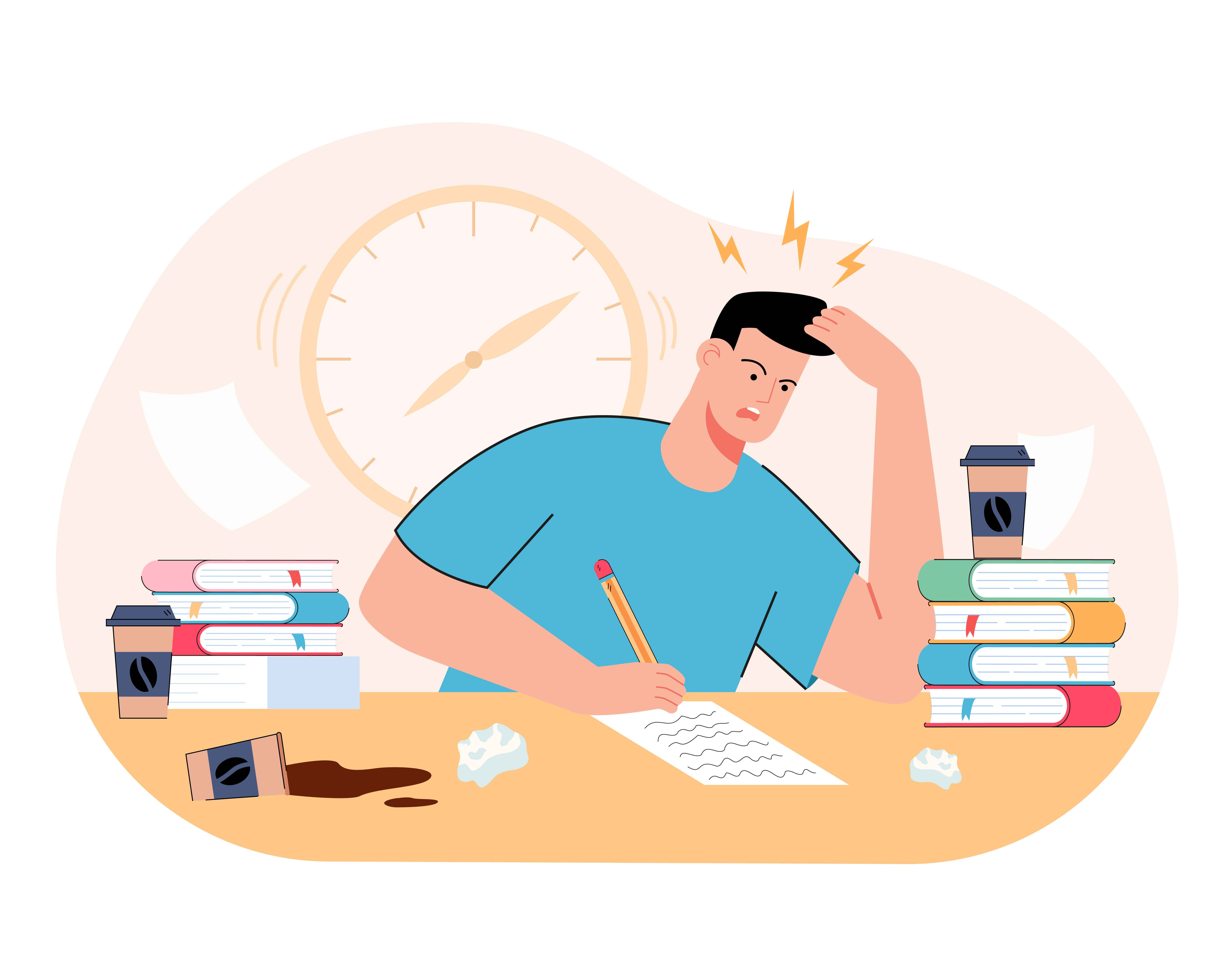
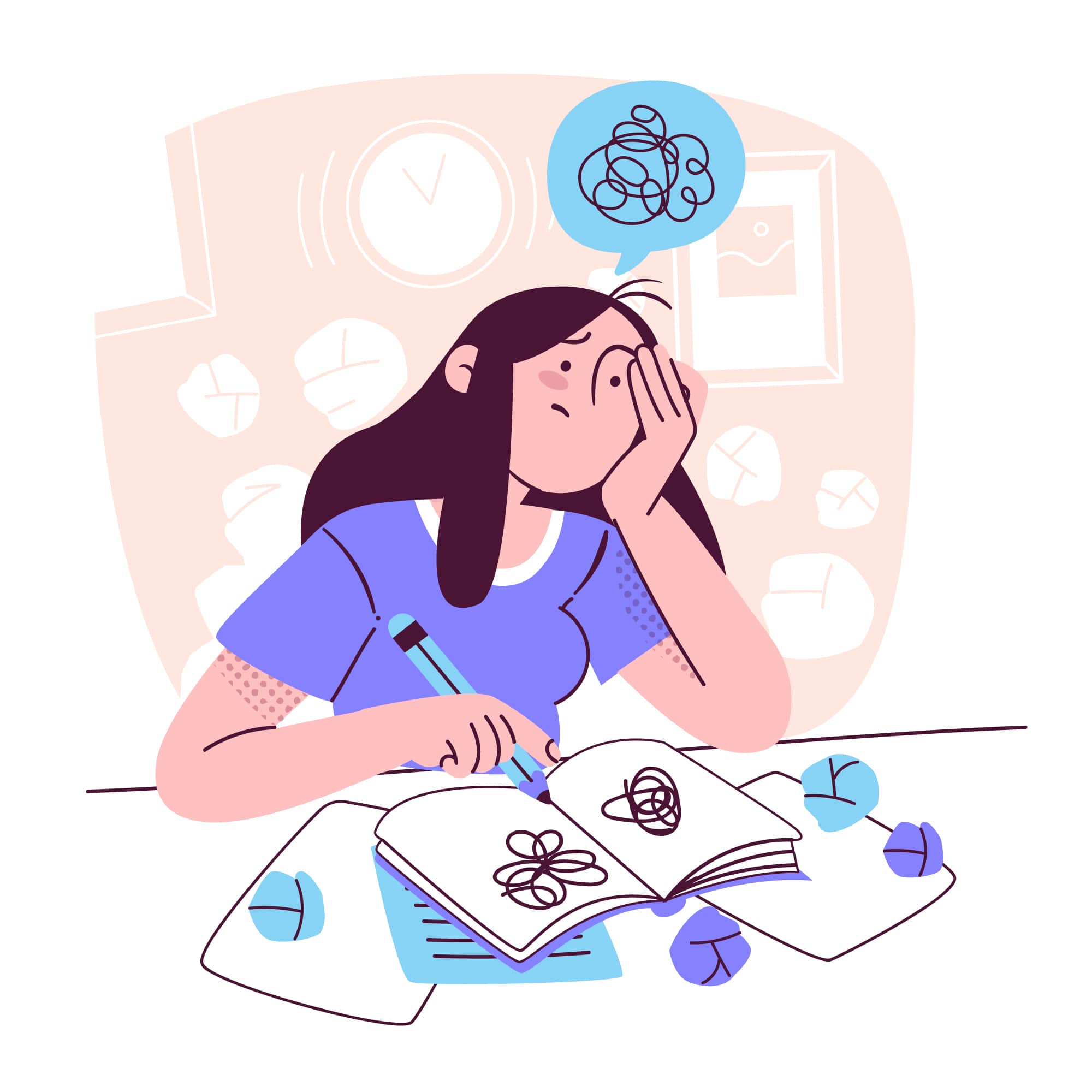
Exams – just the mention of them causes most students to get nervous. You are in high school, or you are doing your board exams, and those few weeks can be a marathon in which you have not volunteered to take part.
You may wish to have one or two extra hours a day, or you may even notice that your plan to revise something quickly turned into a panicking and sleepless night.
This is the reality: it is not necessarily hard, but being smart is what makes someone successful in exams.
The most significant difference is in two skills: time management and revision strategy.
When you master them, you will be able to create chaos out of calm, confusion out of clarity, and stress out of confidence.
We are going to deconstruct practical, time-tested and easy tips that will help you to maximise your time, memorise what you read and walk into your exams calm, rather than nervous.
We should first know the reason why these two elements are the cornerstone of exam success before we are immersed into the how-to.
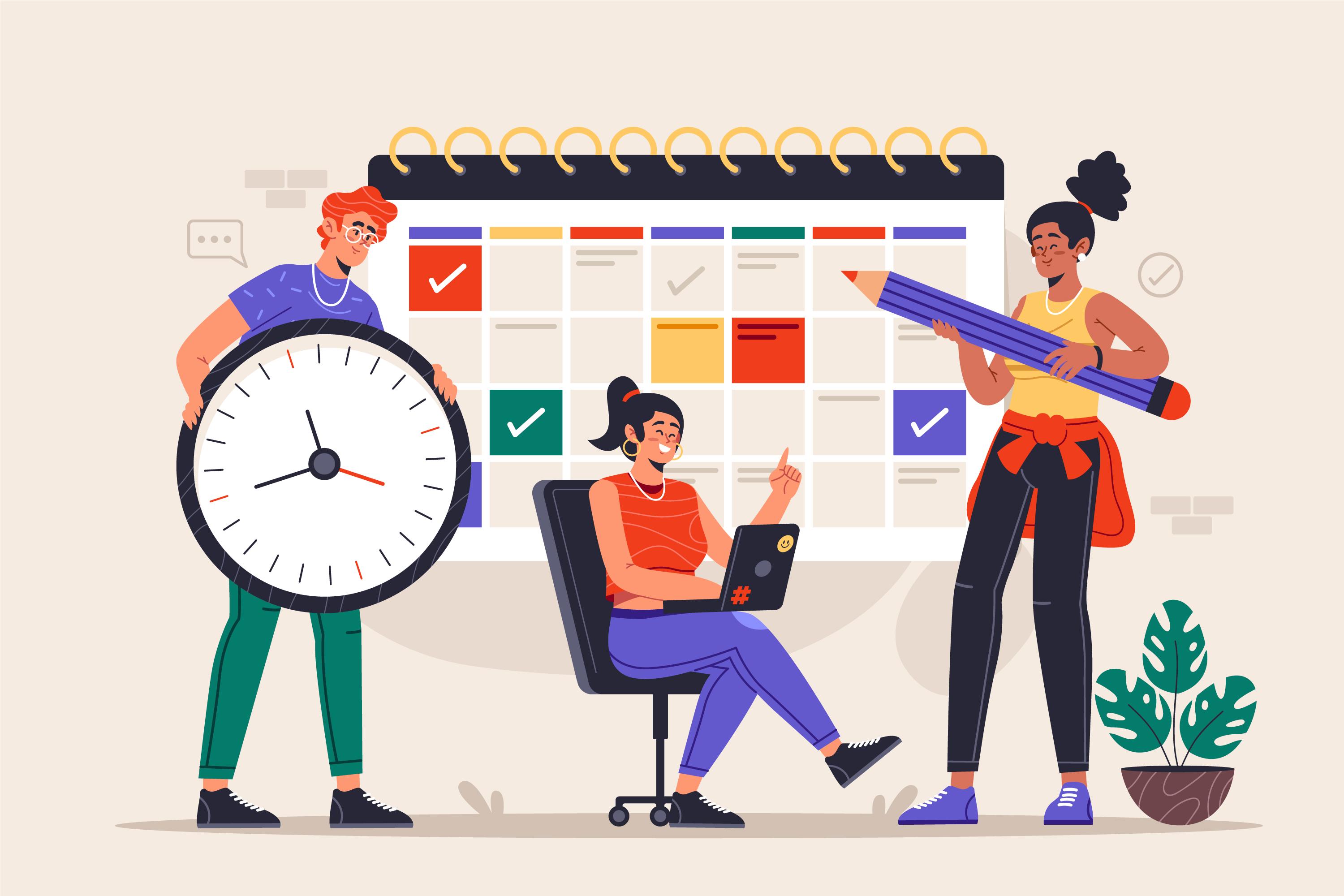
Time management does not simply mean coming up with a schedule. It is all about learning to control your study time to be able to discuss all the points, review them, and have time to relax.
When you are good at time management, you:
The revision aids in storage and retrieval of information in the brain. Even hours of study may be wasted even when it is not revised since knowledge will be forgotten.
Good revision helps you:
Let us make your study mess a goal that can be reached.
A study schedule does not mean filling all the time; it is simply planning.
Here’s how to do it:
Hint: Keep tracking progress with planners or apps such as Notion, Google Calendar, or even a notebook.
Each session must have a goal, not to study math, but to complete trigonometry formulas.
Smart study goals can be examples of:
Small targets have you winning every day and maintaining morale.
Have you ever felt like you are working hard but not achieving much? The Eisenhower Matrix will make you concentrate on the things that matter.
| Priority | Description | Example |
|---|---|---|
| Urgent & Important | Do now | Revise a topic for tomorrow’s test |
| Important but Not Urgent | Schedule it | Start long-term project prep |
| Urgent but Not Important | Delegate or limit | Answer quick emails |
| Not Urgent & Not Importan | Avoid | Endless scrolling or chatting |
This tool helps you beat procrastination and focus your energy on the tasks that impact your exams the most.
Your brain isn’t a computer. When you attempt to balance two or more activities, such as revising math and sending a text to a friend, your concentration and memory get worse.
Learn more by doing one task at a time.
The Pomodoro Method makes studying less tiring:
It keeps your mind fresh and reduces burnout. Use apps like Focus Booster or Forest to stay on track.
Your environment affects your concentration. Keep your phone away, use “Do Not Disturb” mode, or study in a quiet corner.
If you study digitally, try Focus@Will or Cold Turkey to block social media temporarily.
A schedule isn’t permanent. Every week, check your progress and shift focus if needed. If one subject is taking longer than expected, tweak your plan — flexibility is key.
Now that you have time management, it is time to make your revision strong.
Active recall is not simply a re-reading of notes; it is actually testing your brain.
How to practise:
This evidence-based method implies the review of the topics with gradually growing intervals. It aids in the transfer of knowledge between the short-term and the long-term memory.
How to do it:
Mind maps, in case you are a visual learner, are your good friend.
Steps to create one:
Mind maps are miraculous for other subjects such as history, biology or literature, where you have to perceive interrelations.
Doing practice exams will aid you in becoming familiar with the pattern and time limits in exams.
Why it works:
Hint: It is always important to review mistakes after every test and to go back to those topics.
Summarise a topic in your own words following the completion of the topic.
Writing is something that makes you think over information.
How to summarise smartly:
Prepare cheat sheets on one page that you can look at in a few minutes before examinations.
Viva vice Past papers are gold mines in exam preparation. They provide you with the idea of trends of questions and their level of difficulty.
Steps:
Group study can be multiplied correctly.
Tips:
Listening to other points of view can make you comprehend the tough subjects more quickly.
A body requires a healthy brain.
Moving on to mild dehydration, even concentration is influenced. Keep some water next to you and take a drink here and there.
Do not study for hours at a time. Breaks help to refresh your mind. Attempt to stretch, play some music or take a walk outside to breathe in the air.
Performance depends on your mindset. Rather than telling yourself, 'I cannot do this,' tell yourself, 'I am getting better every day.'
Give affirmations or visualise that you will enter the exam hall with a lot of confidence.
The preparation of exams is not about the number of hours you learn but your time management.
You get to make the most of your time when you plan properly and revise with a clear purpose in mind, and you will feel calmer and more confident and able to give your best.
Therefore make your plan, follow it and always keep in mind: that discipline defeats panic in all cases.
Your self in the future will appreciate you being intelligent today.
For more study tips, productivity hacks, and exam success guides, visit Mentrovert
1. How many hours a day should I study for exams?
No set rule, but strive to have 4-6 concentrated hours, taking good breaks. It is quality and not quantity.
2. At what time should I begin revision to exams?
Begin at least 4-6 weeks prior to your exams to be better remembered. Earlier if possible!
3. How to prevent burnout in the preparation?
Take breaks, sleep well, and alternate subjects to ensure that things are fresh.
4. Is it better to have digital notes than handwritten ones?
It is depending on your learning style. Handwriting enhances recollection whereas digital notes are simple to arrange and restructure.
5. What can I do to be motivated when studying?
Divide the larger into smaller steps, reward yourself since the process is going on and keep in mind the importance of the exams.





.jpg)