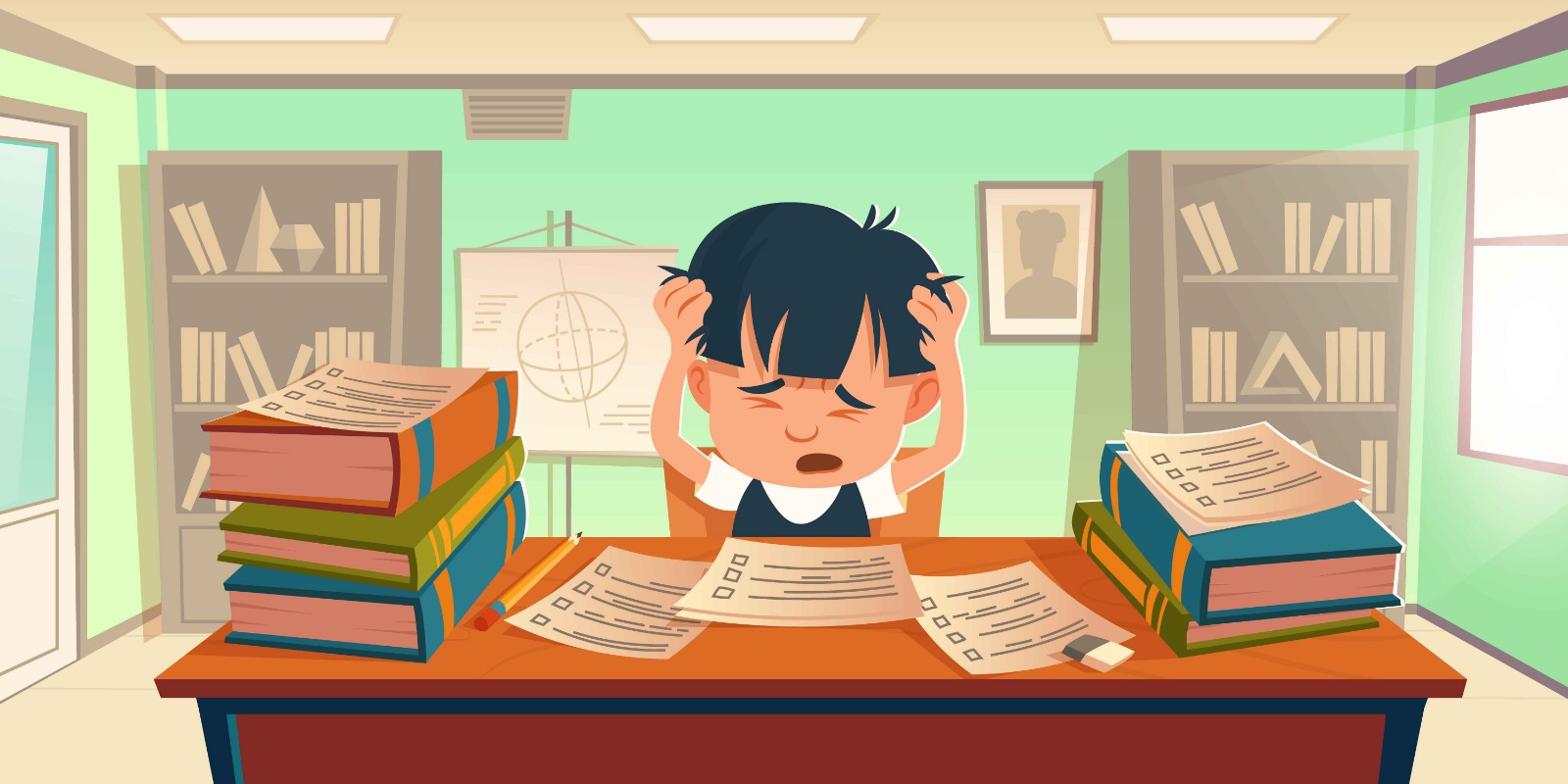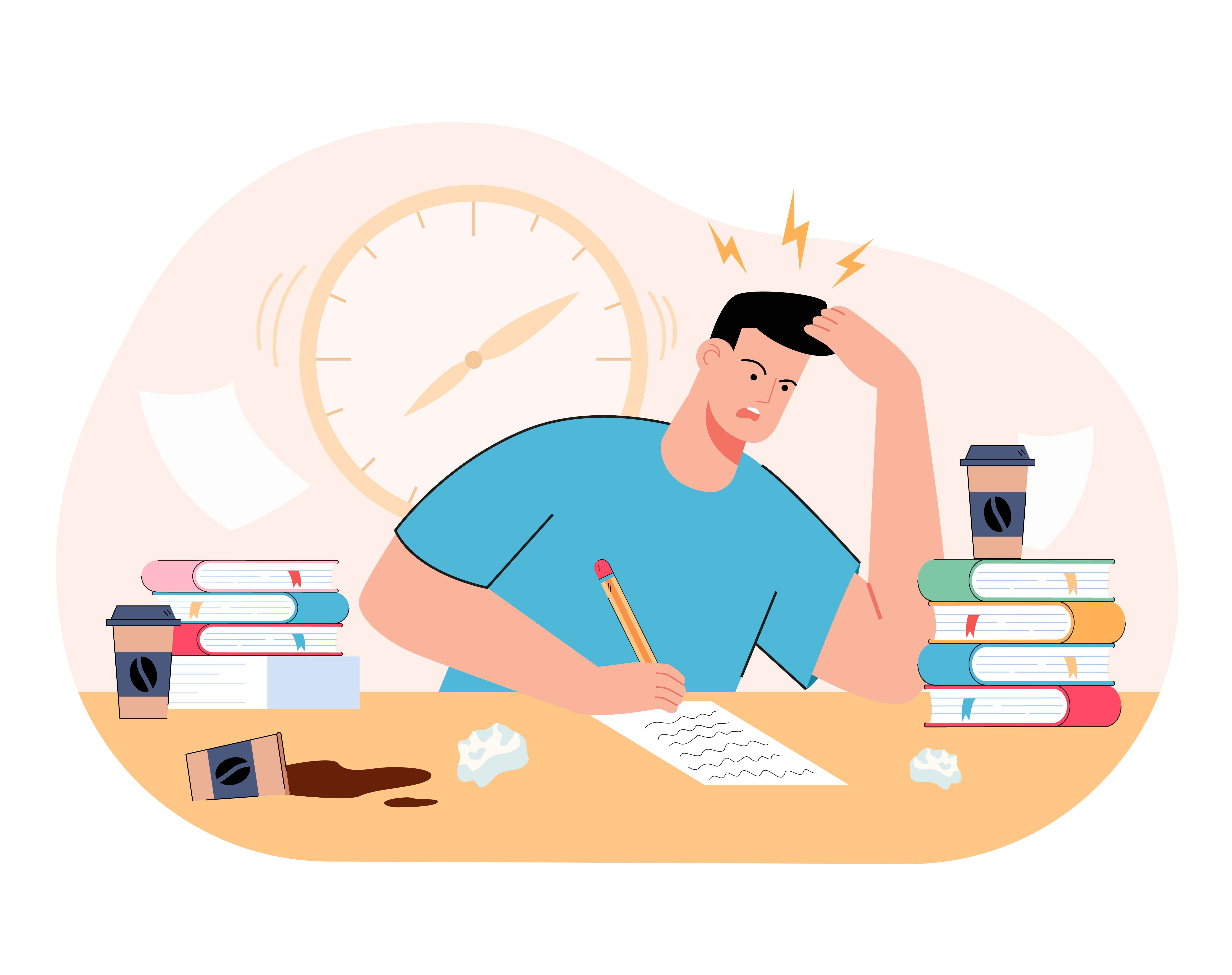

Most students have this picture in their head. Counselling is for people who have completely stopped functioning. Cannot get out of bed. Crying every day. Something dramatic is happening that everyone around them can see.
That picture is wrong. And because of this, many students carry things they should not have to carry alone.
The actual truth is simpler. If something is making your day harder than it normally should be, that is enough reason to talk to someone. No certificate needed. No diagnosis. No one's permission is required.
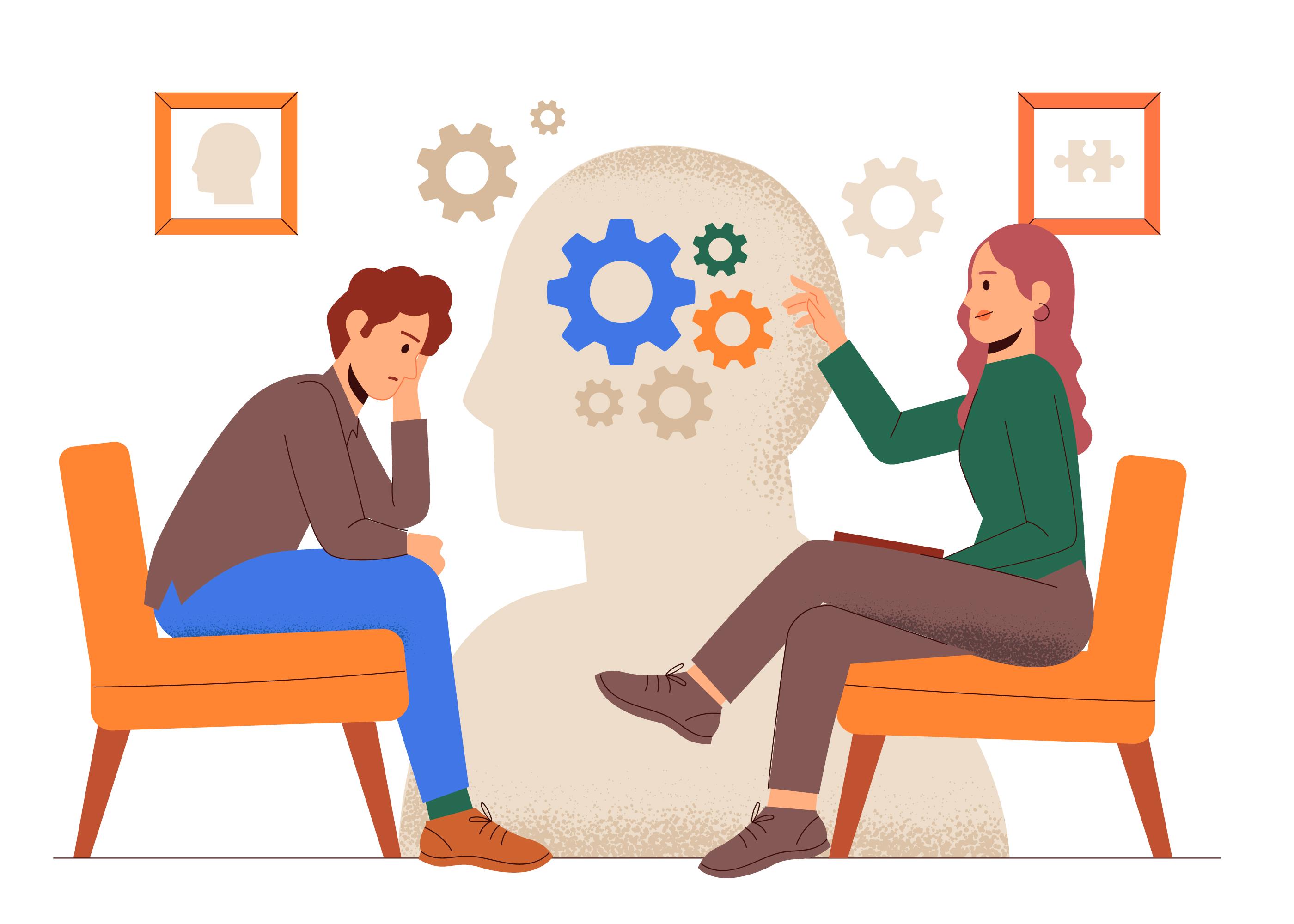
A mental health counselor is not only for people with serious conditions. Students dealing with exam stress, grief, family pressure, feeling disconnected, feeling stuck, not enjoying anything anymore, all of these are valid reasons to see one.
No hospital. No formal diagnosis required. Nothing like that.
Here is a simple way to think about it. Imagine a headache that keeps showing up every few days. You would not wait for it to become something dangerous before doing something. You deal with it now while it is manageable. Mental health is no different. The longer you wait the harder it gets.
Students dismiss this one constantly.
"Just tired." "Exams are stressful." "Will feel better once results are out."
But when the things that genuinely used to make you happy, cricket, music, your favourite shows, spending time with people you like, start feeling empty or pointless or just way too much effort, that is not tiredness. That is something else going on.
Why does it happen:
When what used to fill you up starts feeling hollow, do not just push past it.
These two are almost always the first to break when something is off. Students write it off as exam season. But two weeks or more of this is not just a phase.
Things to watch:
All of this hits your thinking, your studying, and your ability to hold a normal conversation. These are also among the earliest signs of anxiety and depression showing up. A mental health counsellor can help work out what is underneath it all.
Sometimes you genuinely cannot see your own situation clearly from the inside. The people around you often spot it before you do.
Signs that relationships are being affected:
When more than one person who genuinely cares about you is saying something seems off, that is worth taking seriously. They have a view of you right now that you do not have of yourself.
Online counselling is particularly useful for students. Online mental health support means talking to someone from your own room. Private. No one else is involved unless you choose to involve them.
A death. An accident. Abuse. Bullying. Something that turned everything upside down.
And instead of stopping, actually to deal with it, you just kept moving forward.
It does not go away because you ignored it. It stays somewhere inside and comes out later in ways that seem completely unrelated to the original thing.
What it tends to look like later:
Getting through this kind of thing alone is genuinely hard. A mental health counsellor is trained specifically for it. The right support changes everything about how manageable it feels.
Nerves before results – everyone has that. Anxiety that is just constantly running in the background, even when nothing specific is happening – that is a different situation entirely.
Signs of anxiety have become a regular thing:
Online depression counselling is genuinely accessible now. No weeks of waiting. No going anywhere.
One bad week is just a bad week. Two weeks or more of consistently feeling flat, hopeless, heavy, or like nothing is worth doing is different.
Signs it has gone past a rough patch:
If any of that sounds like you right now, please reach out. A mental health counsellor. Someone you trust. An online counselling platform, if that feels like the easier starting point.
Most students picture something stiff and clinical. It is normally much simpler than that.
What to expect:
Nobody is judging you. Nobody decides that something is fundamentally broken about you. Just help yourself understand your own situation and find a way through it.
Finding help used to be complicated for students in India. You had to find a clinic, travel there, sit in a waiting room, and hope nobody you knew saw you walking in. Stigma made it harder. Distance made it harder. Cost made it harder.
Online counselling changed a lot of that.
Mentrovert understands this because it was built specifically for Indian students navigating exactly these kinds of challenges. Whether you are in a metro city or a smaller town, whether you are ready to talk to someone or just trying to understand your options, Mentrovert gives you honest information without pushing you toward anything.
Why online mental counselling specifically works for students:
Online mental health support is not a compromise. For students especially, it is often the more practical and accessible option.
Not sure where to start? Mentrovert is always available for guidance on mental health resources, career decisions, and everything in between.
No. Seriously, no. Feeling stressed, grieving, struggling with exams, and fighting with family. Any of that is enough. No label or doctor's referral needed.
Yes, it does. Research backs it properly. Online mental health support for anxiety, stress, and depression gives results just as good as sitting in a room with someone. Fits around student schedules, too.
If it is affecting your daily life even a little, it is serious enough. A mental health counselor does not compare problems. They just help with whatever you are dealing with.
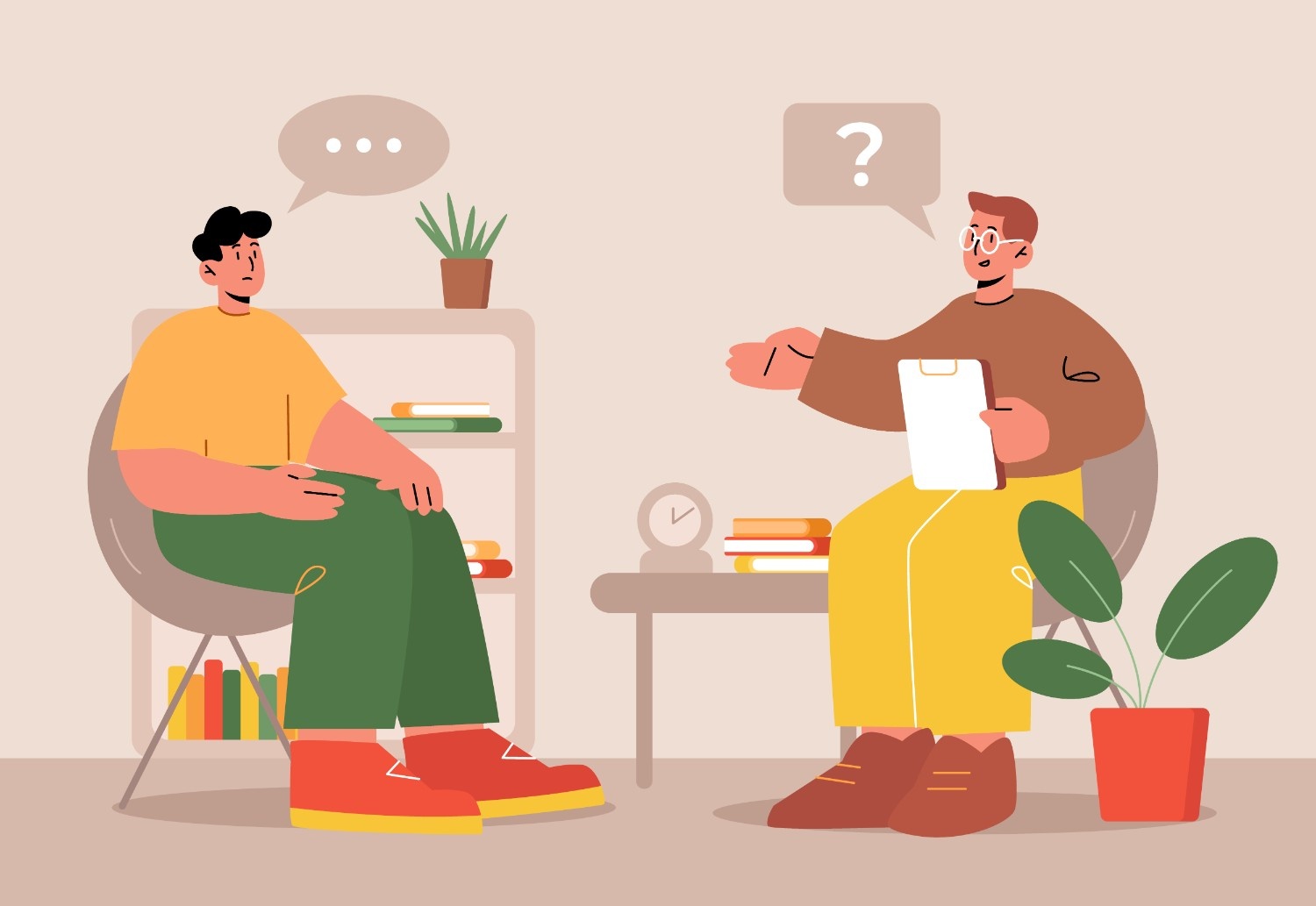
Honestly just a conversation. The mental health counselor asks what is going on. No pressure to share everything at once. Nobody pushes you. First sessions are really just about understanding where you are at.
Yes. What you tell a mental health counselor stays between you and them. Only exception is if your safety is at immediate risk and they will tell you that upfront.