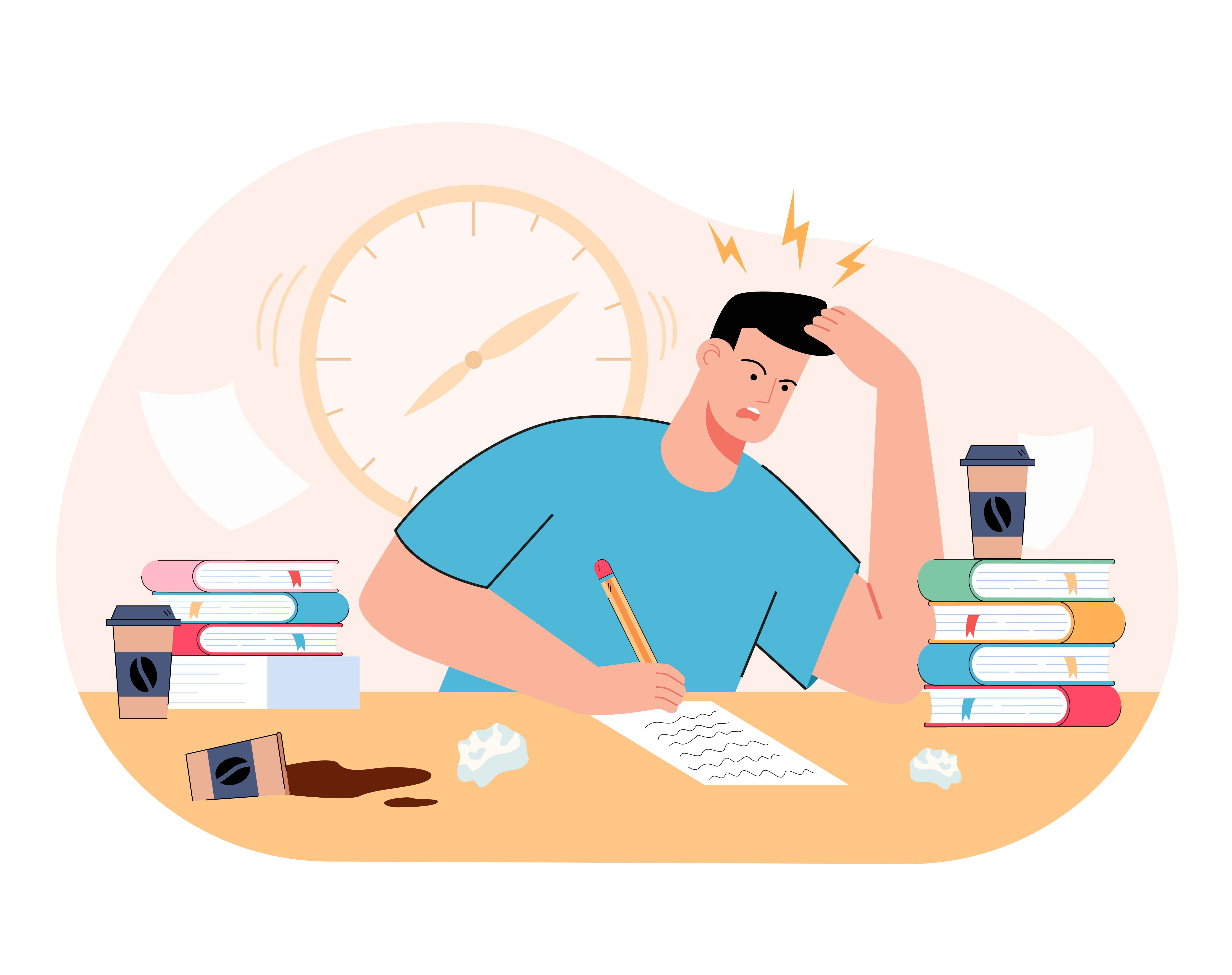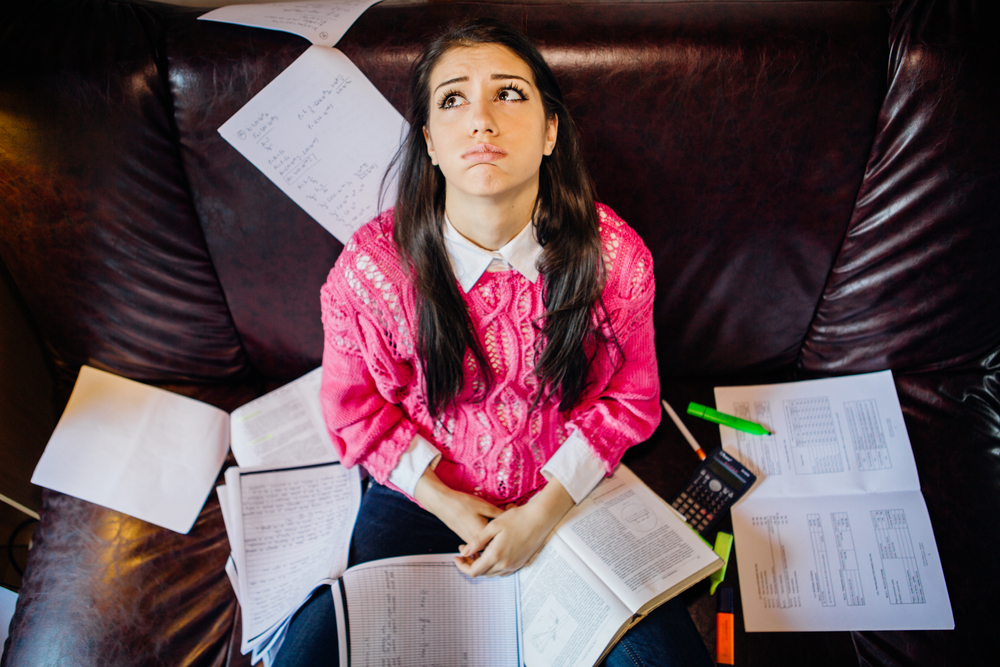

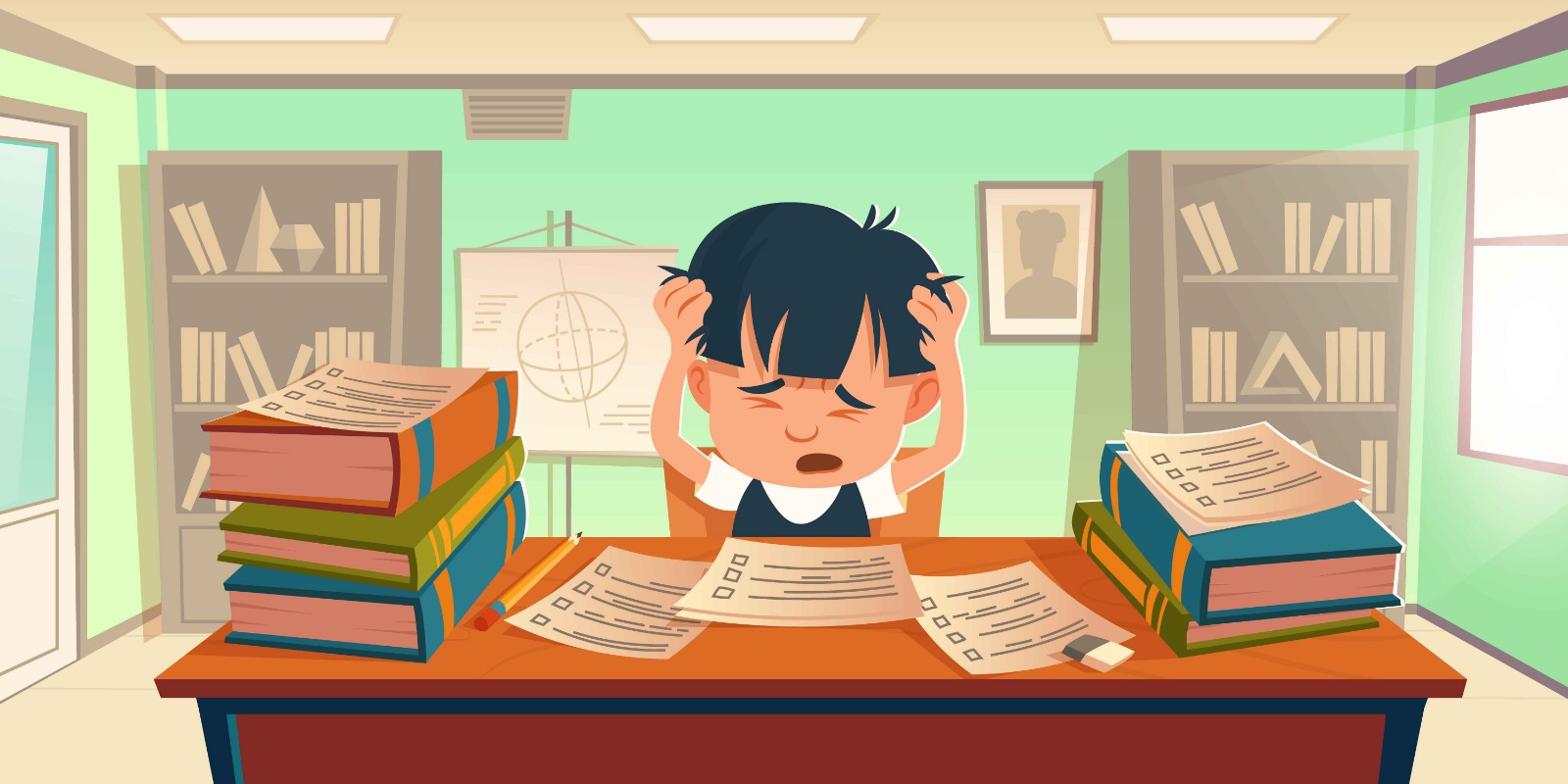
Board examinations play a crucial role in a CBSE student’s academic journey. As exams approach, many students begin to feel anxious. Their hands shake. Their hearts beat fast. They believe that they will forget it all. This emotion is referred to as exam anxiety. It is very common in India. This pressure is experienced by students from Class 9 to Class 12. Parents talk about marks. Teachers talk about results. Friends talk about ranks. This can cause a student to be stressed out.
However, anxiety does not imply that a student is a weak one. It simply implies that the student wants to perform well. Exam fear can be turned to exam power whose steps are right. Simple routines in day-to-day life can make the mind relaxed. A kind word can help. A good plan can help. A mentor can help.
This blog provides easy-to-use and simple tips on how to deal with exam anxiety. They are tips designed for students of CBSE. Domestically, they can be followed easily. Students will be able to write examinations with a composed mind and clear thoughts when they are taught how to manage fear. A calm mindset calmly equates to better grades and good health.
Exam anxiety is not a disease. It is a feeling. When exams come near, the brain thinks there is danger. The body then reacts. The heart beats fast. The stomach feels tight. Some students feel like crying. Some feel angry. Some feel blank.
This happens because the student is worried about marks. They may fear failure. They may fear what others will say. In CBSE board classes, pressure is high. Students think their future depends only on these marks. That thought increases fear.
When students understand that anxiety is normal, half the fear goes away. Many toppers also feel nervous. The difference is that they learn how to handle it. They do not run from it. They accept it.
Students should talk about their feelings. If they keep it inside, it grows bigger. Talking to parents, teachers, or a counsellor helps. When fear is shared, it becomes smaller. Understanding anxiety is the first step to controlling it.
A confused mind feels more fear. A planned mind feels calm. Many students feel anxious because they do not know where to start. Books look big. The syllabus looks long. Time looks short.
The best solution is a simple plan. Divide subjects into small parts. Study one chapter at a time. Do not think about the whole syllabus at once. That makes the brain tired.
Make a daily timetable. Make your own notes for better preparation. Keep short study hours with small breaks. For example, study for 40 minutes and take a 10-minute break. During break, drink water or stretch. Do not use the phone for a long time.
Keep one day in a week for revision. Revision builds confidence. When students see they remember answers, fear reduces.
A plan should be real. Do not make a plan of 12 hours if you can study 6 hours properly. Small steady study is better than big rushed study. A simple plan gives control. Control reduces anxiety.
A tired body makes a worried mind. Many CBSE students sleep late during exams. They drink too much tea or coffee. They skip meals. This increases anxiety.
Sleep is very important. A student needs at least 7 to 8 hours of sleep. When the brain rests, memory becomes strong. Without sleep, even known answers look strange.
Food also matters. Eat simple home food. Dal, rice, roti, fruits, nuts and vegetables help the brain. Avoid too much junk food during exams. Heavy food can make the body lazy.
Drink enough water. Dehydration can cause headache and weakness.
Light exercise helps too. A 15-minute walk in fresh air can calm the mind. Deep breathing also helps. Inhale slowly. Hold for a few seconds. Exhale slowly. Do this five times. It relaxes the body.
When the body feels strong and fresh, the mind feels steady. A healthy body supports a peaceful mind during exams.
Many students say to themselves, “I cannot do this.” “I will fail.” “Others are better.” These thoughts increase fear. The brain believes what we repeat; this happens due to exam stress.
Negative self-talk is harmful. It lowers confidence. Even a prepared student may forget answers because of fear.
Instead, students should practise positive sentences. Say, “I have studied.” “I will try my best.” “I can improve.” These simple words change the mood.
Writing positive lines on paper helps. Stick them near the study table. Read them daily.
Students must also avoid comparing with friends. Every student learns at a different speed. Some are strong in maths. Some are strong in English. Comparison creates stress.
Parents should also avoid harsh words. Encouragement works better than pressure.
When the inner voice becomes kind, anxiety becomes weak. Confidence grows slowly but strongly. A positive mind gives better results in exams.
Fear reduces with practice. Many students study but do not practise writing answers. In the exam hall, they panic because of time pressure.
CBSE exams need proper writing speed. Students should solve sample papers at home. Set a timer and write like a real exam. This builds comfort.
When students see they can finish the paper on time, their fear reduces. Practice also shows weak areas. Those chapters can be revised again.
Try to write answers neatly. Underline main points. Practise diagrams if needed. The more familiar the student feels with the paper pattern, the less anxious they feel.
Do not wait till last week for mock tests. Start early. Even one paper in a week helps.
Practice makes the brain feel safe. When the exam day comes, it feels like another practice test. That calm feeling helps students perform better.
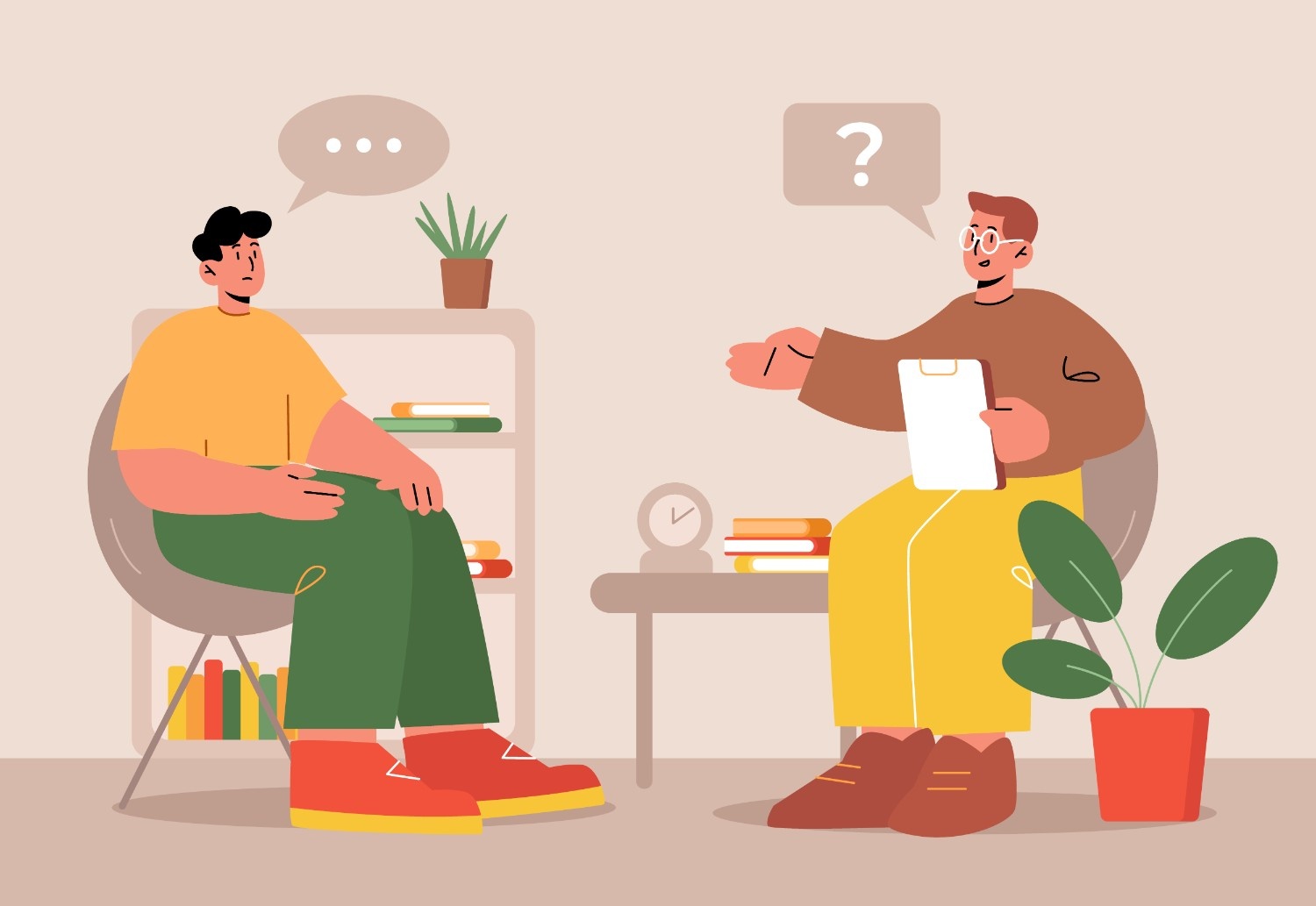
Sometimes anxiety becomes heavy. Students feel alone. They may not want to share with friends. In such times, talking to a trusted adult helps.
Parents should listen without judging. Teachers should guide with patience. A mentor or counsellor can also help. They understand student pressure.
In India, many students feel shy to talk about mental stress. But speaking about feelings is strength, not weakness. When students talk, they feel lighter.
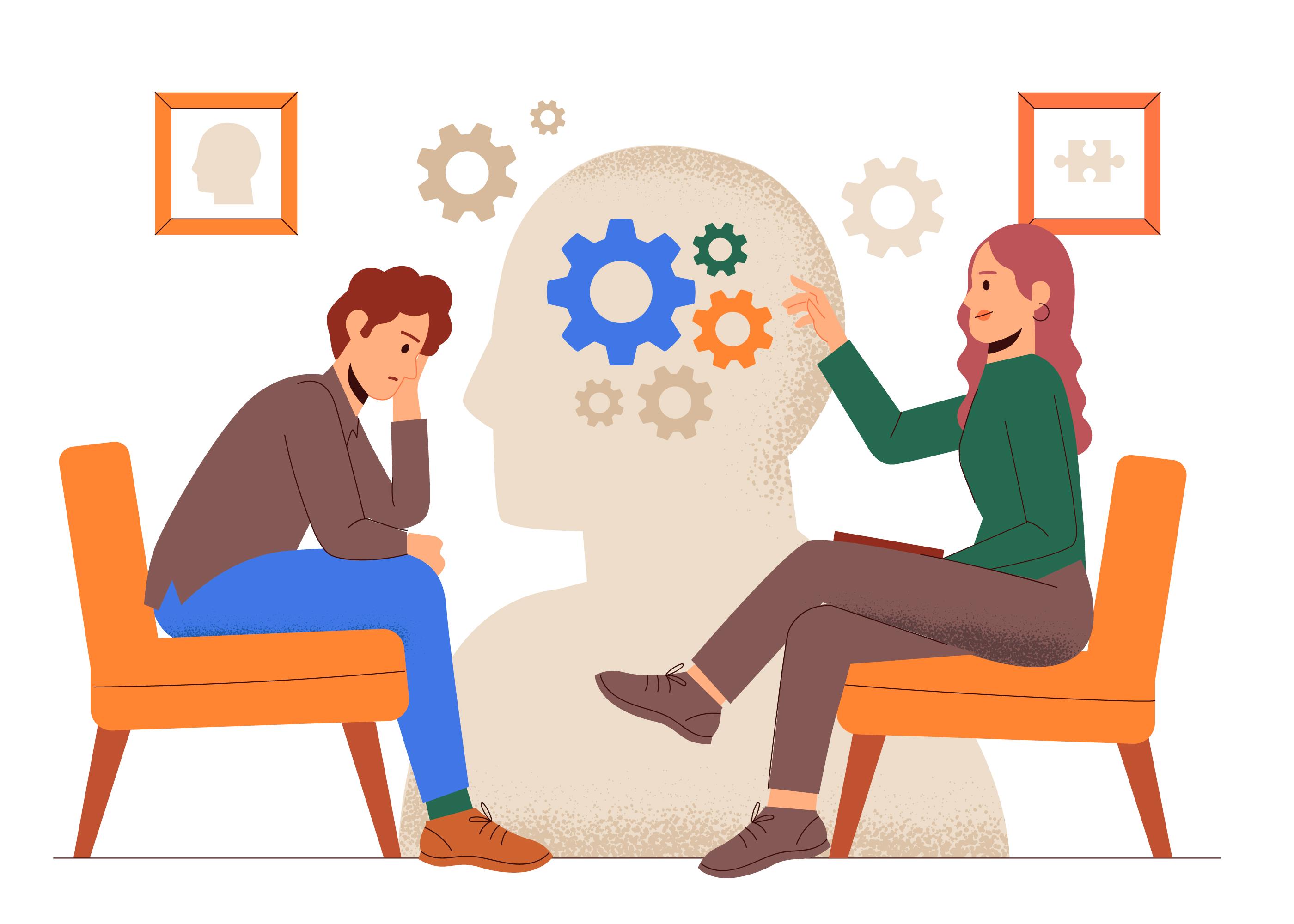
Mental Health Counsellors help students find the root of fear. They give simple tools to manage stress. They teach breathing, planning, and thinking skills.
No student should fight anxiety alone. Support makes a big difference. When someone says, “I understand you,” the heart feels calm.
Seeking help is a smart step. It shows maturity. With guidance, exam anxiety becomes manageable and less scary.
Exam day can feel tense. Students wake up early and feel nervous. This is normal. The key is to stay calm.
Do not study new topics on exam morning. Just revise short notes. Eat a light breakfast. Reach the exam centre on time. Rushing increases stress.
Before the paper starts, take deep breaths. Read the question paper slowly. Start with questions you know well. This builds confidence.
If one answer feels difficult, skip and return later. Do not panic. Many times the answer comes back to mind after a few minutes.
After the exam, do not overdiscuss answers with friends. It only increases worry. Focus on the next paper.
One exam does not decide a full life. Remember this truth. Staying calm during those three hours is important. A balanced mind writes better answers.
Every student deserves support. At Mentrovert, students are never alone in their journey. Mentrovert is India’s first platform focused on student career and mental health support. It connects students directly with experienced career and mental health counsellors.
Students in Classes 9 to 12 face big decisions and pressure. Mentrovert understands this stage deeply. The team believes that every student needs a mentor, guide, or friend who truly listens.
Mentrovert offers 1:1 personalised online counselling. Guidance is made as per each student’s needs. Special focus is given to Class 10 and Class 12 students. Parents also receive support to understand their child better.
Counselling sessions are available for students who need help but worry about money. The mission is simple. No student should suffer because of lack of guidance.
If exam anxiety feels heavy, take a step today. Reach out to Mentrovert. With the right mentor and caring support, students can feel confident, calm, and ready for both exams and life.
Yes, it is very common. Most students are anxious during exams. Through careful planning and encouragement, anxiety will be easy to manage.
It depends on the student. During the board preparation time, 6 to 8 hours with breaks are normally sufficient.
Yes. Lack of sleep causes fatigue in the brain and makes it stressed. Good sleep enhances sanity and clarity.
If your fear is too overwhelming and it makes a person cry, experience panic, or have no concentration, it is prudent to visit a counsellor.
Parents need to support, listen patiently, not be comparative and remind the child that marks do not make everything in life.