
Finished 12th? Now everybody has an opinion about your life.
Your parents want engineering. Your relatives are pushing for medicine. And somewhere between the board results and the admission panic, three different people have already said "do AI" or "go for data science" without explaining what either of those things actually means.
Here is the truth. Most people saying these things have no idea what they are talking about.
So let us actually figure this out.
Not the movie version. The real version.
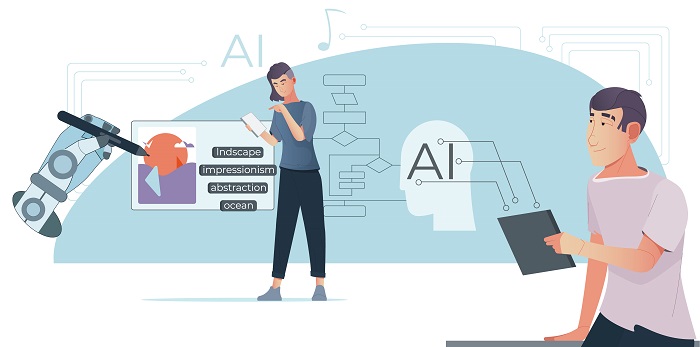
When your bank blocks a suspicious transaction before you even notice it, that is AI. When Spotify lines up a song you have never heard but somehow love, that is AI. When a hospital system flags a patient as high risk before symptoms appear, that is also AI.
Real AI is just software that learns from data and gets better over time without someone manually updating it. The people who build these systems write a lot of code, work with complex algorithms, and spend serious time on mathematics.
It is genuinely hard work. But if that kind of problem gets you excited, it is also genuinely rewarding.
Different thing entirely.
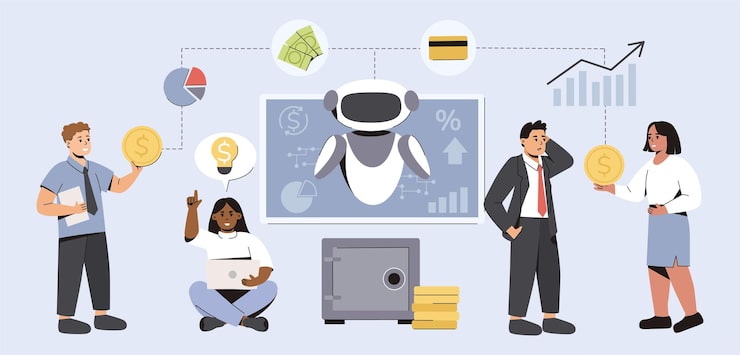
Every company is drowning in data right now. Every click, every purchase, every complaint, every search. It piles up, and most businesses have no clue what to do with it.
Data scientists go in and make sense of it. They clean the mess. Find the patterns. Then translate those patterns into something a business can actually act on.
Why did revenue drop in March? Which customers are about to leave? What should we stock more of next quarter?
Data science answers those questions.
So AI and data science are connected, yes. But they are not the same career. Not the same courses. Not the same job. The overlap confuses people constantly, and honestly, the internet makes it worse by treating 'AI data science' like one single phrase.
Say you commit to a data science degree. First year is not exciting. Mathematics, statistics, Python basics, SQL. Foundational stuff.
A proper data science syllabus only gets interesting from year two onwards. That is when you start cleaning real datasets, building your first machine learning models, and creating visualisations that actually mean something.
By final year a solid data science syllabus has you working with big data tools, more advanced ML techniques, and real projects where you solve actual problems from scratch.
The whole thing builds toward one skill. Turning raw, ugly numbers into decisions that matter.
Completely valid concern.
A focused data analyst course syllabus skips the theory-heavy parts and goes straight to what employers want right now. SQL, Excel, Python for analysis, Power BI, Tableau, report writing.
A good data analyst course syllabus wraps up in six to twelve months. Jobs on the other side exist everywhere. Finance, healthcare, retail, cricket analytics, media. Every industry has a data problem and needs people who can solve it.
Honestly, if you are unsure whether AI and data science are really for you, starting with data analytics is the smarter, lower-risk move.
Same restaurant. Two different people. Two different outcomes.
The data analyst comes in. Studies two years of sales records. Figures out the pasta dish barely sells on weekends. Writes a report. The manager reads it and makes some changes.
A data scientist comes in. It takes the same sales history plus weather data, local events, and competitor activity. Builds a model. Now the system tells the kitchen what to prep every single morning. No report. No manual work. Just predictions running automatically.
That is data science vs data analytics in real life. One describes what happened. The other predicts what will happen and automates something around it.
This matters more than students realise.
The difference between data science and data analytics is not just about what you do. It is about what you need to qualify, how long it takes, and what you earn.
Data analyst jobs want SQL, Excel, visualisation tools, and basic Python. Achievable in under a year with the right course.
Data science jobs want machine learning, statistical modelling, deeper programming skills, and often a postgraduate degree. Higher ceiling but a much steeper climb.
Both are real career paths. Both pay well. The question is which one matches where you are right now and where you want to be in five years.
Forget what your friends chose. Be honest with yourself about these things.
Do you actually enjoy mathematics, or do you just tolerate it? Heavy maths is unavoidable in AI and advanced AI and data science work. Data analytics is more forgiving.
Do you want to build systems or explain trends? Some people get genuinely excited by creating something that runs on its own. Others prefer digging into data and surfacing something nobody spotted. Different brains. Neither is wrong.
How soon do you need income? A four-year degree versus a six-month certification. Your financial reality matters here, and there is no shame in admitting it.
What industry actually interests you? The best people in this field care about the domain they work in. Someone obsessed with healthcare will outperform someone just chasing a salary almost every time.
Reading about careers online only goes so far.
The students who make better decisions are the ones who talk to real professionals. Not professors. Not influencers selling courses. People actually working in these roles right now who can tell you what a normal day looks like and what companies are genuinely hiring for.
That is what Mentrovert is built for.
Career guidance platform made specifically for students in India figuring out exactly this kind of thing. Questions about AI and data science courses, college comparisons, study plans, and entrance strategies. The mentors here have actual field experience and give you honest answers, not scripted ones.
Come and join us and start your conversation. Ten minutes with the right mentor is worth more than ten hours of Googling.
AI and data science are growing fast. Demand is real. Salaries are real. The career paths exist.
But walking in without knowing what you are signing up for is how people end up burnt out and confused three years later.
AI is for people who want to build intelligent systems and are okay with deep, demanding technical work.
Data science is for people who want to find meaning in data and help organisations make smarter calls.
Data analytics is for people who want to enter the field faster and build from there.
Choose the path that genuinely matches how your mind works, not just what other people expect from you. Start building the right skills early, because the sooner you begin, the more options you create for yourself later. If you want personalised guidance to make the right decision, Call Us at +917973654070 and get expert help in planning your next step.
AI builds systems that think. Data science reads data to find answers. Both are part of AI and data science course but are different jobs entirely.
Short certification gets you working faster. A full AI and data science degree opens bigger doors later. It depends on how soon you need income.
Math, statistics, Python, and SQL early on. Then machine learning, visualisation, and big data tools. A good data science syllabus ends with real projects.
The difference between data science and data analytics comes down to this. Analysts explain what happened. Scientists predict what happens next. Different tools, different salaries, different timelines to get there.
Like maths and building models? Data science. Want to start working sooner with less technical depth? Data analytics. The data science vs data analytics choice really comes down to your strengths and timeline.




.jpg)





_11zon.jpg)